



Hey there, reptile enthusiasts! As a supplier of frozen rats for reptiles, I've seen firsthand the buzz around what makes a proper diet for our scaly friends. So, let's dig into why a balanced diet with frozen rats is super important for reptiles.
First off, let's talk about what a balanced diet means for reptiles. Reptiles, just like us, need a mix of nutrients to stay healthy. These nutrients include proteins, fats, vitamins, and minerals. And frozen rats are like a one - stop shop for these essential elements.
Protein is the building block of life, and it's crucial for reptiles. It helps in growth, repair of tissues, and maintaining a strong immune system. Rats are packed with high - quality protein. For growing reptiles, like baby snakes or juvenile lizards, protein is especially important as they are in a phase of rapid development. A lack of protein can lead to stunted growth, weak muscles, and a higher susceptibility to diseases.
Fats are another important part of a reptile's diet. They provide a concentrated source of energy. Frozen rats contain a good amount of healthy fats that help reptiles maintain their energy levels. This is particularly important for reptiles that are more active, such as some species of monitor lizards. These fats also play a role in the absorption of fat - soluble vitamins like A, D, E, and K.
Now, let's not forget about vitamins and minerals. Rats are rich in a variety of vitamins and minerals that are essential for reptiles. Calcium, for example, is vital for strong bones and proper muscle function. Reptiles need a proper calcium - to - phosphorus ratio in their diet, and frozen rats can help achieve this balance. Vitamin D is also important as it aids in calcium absorption. Many reptiles get vitamin D from sunlight, but having it in their diet from frozen rats provides an extra boost.
One of the great things about using frozen rats as part of a reptile's diet is the convenience. As a supplier, I know how easy it is to store and handle frozen rats. You can keep them in your freezer for an extended period, which means you always have a ready - to - serve meal for your reptile. It also eliminates the need to constantly hunt for live prey, which can be a hassle and even dangerous in some cases.
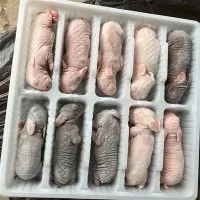
When it comes to different types of frozen rodents we offer, we have a great selection. For instance, if you're looking for something smaller, our Frozen Pinks Mice are perfect for baby snakes or small lizards. These pinkies are very soft and easy for young reptiles to consume.
If you have a medium - sized snake, our Frozen Pup Rats are a great choice. They offer a good balance of nutrients and size. And for larger snakes, our Frozen Rats for Snake are the go - to option. These rats are big enough to satisfy the hunger of larger reptiles and provide all the necessary nutrients.
Another advantage of feeding reptiles frozen rats is the safety aspect. Live prey can sometimes fight back and injure the reptile. A rat with sharp teeth and claws can cause serious harm to a snake or lizard during a feeding attempt. With frozen rats, this risk is completely eliminated. You can thaw the rat and present it to your reptile in a safe and stress - free manner.


But, like with any diet, it's important to ensure a proper balance. You shouldn't just feed your reptile frozen rats all the time. Depending on the species, you might need to supplement their diet with other foods. For example, some reptiles also benefit from eating insects, fruits, or vegetables. However, frozen rats should still be a staple in the diet of many carnivorous and omnivorous reptiles.
Now, let's talk about how to feed frozen rats to your reptiles. First, you need to thaw the rat properly. You can do this by placing it in a sealed plastic bag and submerging it in warm water. Make sure the water is not too hot, as you don't want to cook the rat. Once it's thawed, you can use tongs to present the rat to your reptile. It might take a little time for your reptile to get used to eating frozen prey, especially if it's used to live food. But with a little patience, most reptiles will adapt quickly.
As a supplier, I'm always here to help you with any questions you might have about feeding your reptiles. Whether it's about the right size of frozen rat for your reptile or how often to feed them, I've got the knowledge and experience to guide you.
If you're thinking about starting to feed your reptiles frozen rats or if you're looking for a reliable supplier, I'd love to talk to you. We take pride in providing high - quality frozen rats that are safe and nutritious for your reptiles. We source our rats from trusted breeders and ensure they are properly processed and frozen to maintain their nutritional value.
In conclusion, a balanced diet with frozen rats is incredibly important for reptiles. It provides them with the essential nutrients they need for growth, health, and energy. The convenience, safety, and variety of frozen rats make them a great choice for reptile owners. So, if you're ready to give your reptile the best diet possible, get in touch with us. Let's start this journey of keeping your scaly friends healthy and happy together.
References
- "Reptile Nutrition" by various authors in the Journal of Herpetological Medicine and Surgery.
- "Feeding Your Reptile" - a guide published by the Reptile Keepers Association.