



Hey there! I'm a supplier of frozen rabbits, and today I wanna chat about the impact of frozen rabbits on rabbit breeding programs. It's a topic that's close to my heart, and I've seen firsthand how these two aspects are intertwined.
The Role of Frozen Rabbits in the Market
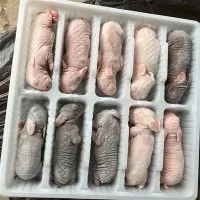
First off, let's talk about why there's a demand for frozen rabbits. There are a couple of major markets for us. One is the pet food industry, especially for snakes and other reptiles. You can check out Frozen Rabbits for Snake Food and Frozen Rabbits for Reptiles to get a better idea of what we're offering in this niche. These frozen rabbits provide a convenient and nutritious meal option for these cold - blooded critters. Reptile owners often prefer frozen prey as it's safer, easier to store, and can be portioned out more precisely.
Another market is the human consumption sector. While it might not be as mainstream in some parts of the world, in others, rabbit meat is considered a delicacy. Our Whole Frozen Rabbit is a popular choice for those who want to cook up a traditional rabbit dish at home. It's lean, high in protein, and has a unique flavor that many people enjoy.
Impact on Rabbit Breeding Programs
Now, let's dig into how the demand for frozen rabbits affects rabbit breeding programs.
Positive Impacts
One of the biggest positives is the economic incentive it provides to breeders. When there's a steady demand for frozen rabbits, breeders have a reliable market to sell their animals. This means they can invest more in their breeding programs. They can buy better quality breeding stock, improve the living conditions of their rabbits, and hire more skilled staff to take care of them. For example, a breeder who knows they can sell a certain number of rabbits to us every month can plan their breeding cycles more effectively. They can ensure that they have enough rabbits at the right age and size to meet our orders.
The demand for frozen rabbits also encourages genetic improvement in breeding programs. Since we have specific requirements for the size, weight, and health of the rabbits we buy, breeders are motivated to select for these traits. They'll breed rabbits that grow quickly, have a good meat - to - bone ratio, and are less prone to diseases. Over time, this can lead to a better - quality rabbit population. Breeders might use techniques like selective breeding and genetic testing to achieve these goals.
Negative Impacts
However, there are also some potential negative impacts. One concern is the risk of over - breeding. When the demand for frozen rabbits is high, breeders might be tempted to increase their production too quickly. This can lead to overcrowding in rabbit hutches, which in turn can cause stress, disease outbreaks, and poor animal welfare. For instance, if a breeder doubles their rabbit population without increasing the space or resources available, the rabbits are likely to be more susceptible to infections like coccidiosis or respiratory diseases.
Another issue is the potential for a narrow genetic base. If breeders focus too much on meeting the immediate market demands for certain traits, they might inadvertently reduce the genetic diversity of the rabbit population. This can make the rabbits more vulnerable to new diseases or environmental changes. For example, if all the rabbits in a breeding program are closely related because they've been selected for the same set of traits, a single disease could wipe out a large portion of the population.
Balancing the Impacts
So, how do we balance these positive and negative impacts?
We work closely with our breeders to ensure that they follow best practices in rabbit breeding. We provide them with guidelines on animal welfare, including the recommended space per rabbit, proper nutrition, and regular veterinary care. We also encourage them to maintain genetic diversity in their herds. We might offer incentives for breeders who use a wider range of genetic stock or participate in genetic conservation programs.
On our end, we try to manage our demand in a sustainable way. We don't place unrealistic orders that would force breeders to over - breed. Instead, we work with them to forecast demand and plan production accordingly. This way, we can ensure a stable supply of high - quality frozen rabbits while also protecting the long - term health of the rabbit population.


Future Outlook
Looking ahead, the demand for frozen rabbits is likely to continue to grow. As more people become aware of the nutritional benefits of rabbit meat and the convenience of frozen prey for reptiles, the market is expected to expand. This means that rabbit breeding programs will need to adapt.
We're seeing more and more breeders adopting innovative technologies to improve their operations. For example, some are using automated feeding systems and environmental control units to create a more stable and healthy environment for their rabbits. Others are exploring new breeding techniques, such as cross - breeding different rabbit breeds to combine the best traits.
Let's Connect
If you're interested in learning more about our frozen rabbit products or if you're a breeder looking to partner with us, I'd love to hear from you. We're always on the lookout for high - quality rabbits and are committed to working with breeders who share our values of animal welfare and sustainable production. Whether you're a small - scale breeder or a large commercial operation, we can find a way to work together. So, don't hesitate to reach out and start a conversation about potential business opportunities.
References
- "Rabbit Production: Principles and Practices" by James G. Haliburton
- "The Welfare of Farmed Rabbits" by the World Rabbit Science Association
- Industry reports on the pet food and human consumption markets for rabbit meat.