



Hey there, fellow reptile enthusiasts! As a supplier of frozen rats for reptiles, I often get asked about the ideal temperature for storing these critters. It's a crucial topic because the right storage temperature ensures that the frozen rats remain safe, nutritious, and suitable for our scaly friends. In this blog, I'm gonna dive deep into what that ideal temperature is and why it matters so much.
Why Storage Temperature Matters
Before we talk about the specific temperature, let's understand why it's a big deal. When we're dealing with frozen rats for reptiles, we're not just storing food; we're preserving its nutritional value. Reptiles need a balanced diet, and the frozen rats we provide are a major part of that. If they're stored at the wrong temperature, the quality of the meat can degrade, leading to a loss of important nutrients like protein, vitamins, and minerals.
Moreover, improper storage temperatures can allow bacteria to grow. Bacteria can multiply rapidly in temperatures that are too warm, and if your reptile eats a rat contaminated with harmful bacteria, it could get sick. So, getting the storage temperature right is essential for the health of your beloved reptiles.
The Ideal Temperature Range
So, what is the ideal temperature for storing frozen rats? Generally speaking, the sweet spot is between -18°C (0°F) and -20°C (-4°F). This temperature range is cold enough to keep the rats in a solidly frozen state, which inhibits the growth of bacteria and other microorganisms. At this temperature, the water inside the rat's body is frozen, preventing the chemical reactions that can cause spoilage.
When the temperature is consistently within this range, the structure of the meat remains intact. That means the texture and nutritional content are preserved. You don't have to worry about the meat becoming freezer-burnt or losing its moisture, which can happen if the temperature fluctuates too much or if it's not cold enough.
What Happens at Different Temperatures
Let's take a look at what can occur if the storage temperature deviates from the ideal range.
Too Warm
If the temperature rises above -18°C (0°F), several things can go wrong. First, the ice inside the rat's body starts to melt. Even a small amount of melting can create a moist environment where bacteria can start to grow. The longer the temperature stays too warm, the more bacteria there will be, increasing the risk of foodborne illness for your reptile.
Also, as the meat thaws and refreezes (if the temperature drops again), it can lead to freezer burn. Freezer burn is when the surface of the meat dries out, creating a tough, leathery texture. Not only does this make the rat less appealing to your reptile, but it also reduces the nutritional value. When the meat is freezer-burnt, some of the nutrients are lost, and the reptile may not get the full benefit from eating it.

Too Cold
On the flip side, if the temperature drops too far below -20°C (-4°F), it's not necessarily harmful in terms of safety or spoilage, but it can increase energy costs. You're using more electricity to keep the freezer colder than it really needs to be. And in some cases, extremely cold temperatures can make the meat more brittle. When you go to thaw the rat, it might break apart more easily, which can be a bit of a hassle when it's time to feed your reptile.
How to Maintain the Ideal Temperature
Now that we know what the ideal temperature is, how do we make sure it stays that way? Here are a few tips:
- Use a Good Quality Freezer: Invest in a freezer that has good temperature control. Some freezers come with a digital display that shows the internal temperature, which makes it easier to monitor. Make sure the freezer is in a cool, well-ventilated area, away from direct sunlight and heat sources.
- Check the Temperature Regularly: Get a reliable freezer thermometer and check the temperature every few days. This way, you can catch any temperature fluctuations early and take action to correct them.
- Don't Overload the Freezer: If you stuff the freezer full of frozen rats, it can affect the air circulation, which in turn can cause temperature variations. Leave some space between the packages to allow cold air to flow freely.
Our Products and Temperature Considerations
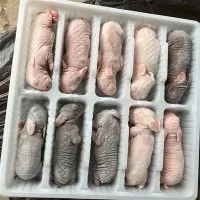
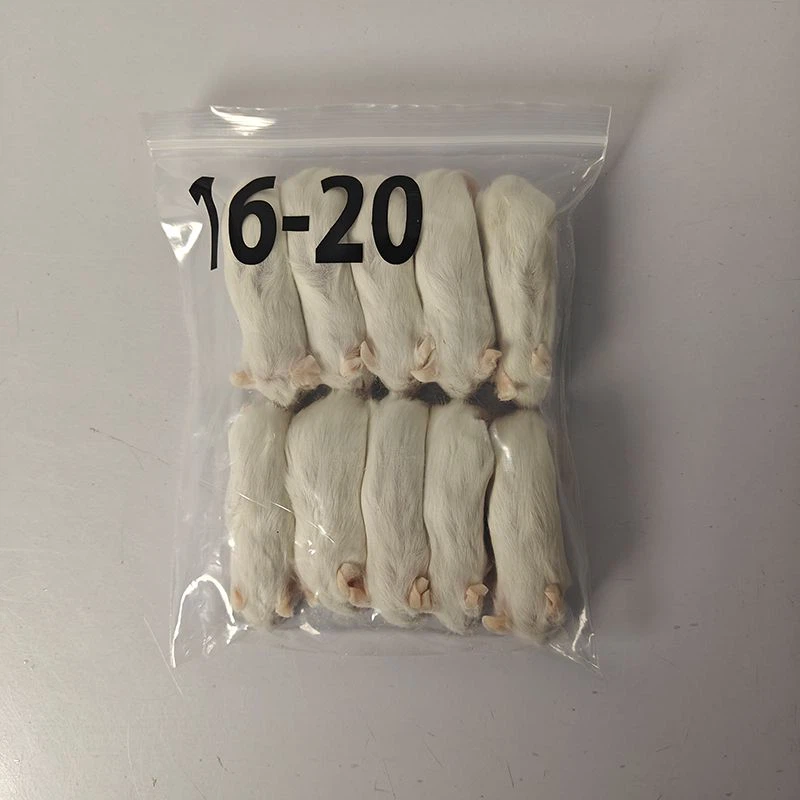
As a supplier of Frozen Rats for Snake, Frozen Pup Rats, and Frozen Pinks Mice, we take temperature control very seriously. We use state-of-the-art freezers to ensure that our products are stored at the ideal temperature from the moment they're frozen until they're shipped to you.
When you receive your order, it's important to transfer the frozen rats to your own freezer as soon as possible. Make sure your freezer is set to the right temperature before you put the rats in. And remember, the same temperature guidelines apply to all our products, whether you're storing frozen rats for snakes or frozen pinks mice for other reptiles.
Conclusion
In conclusion, the ideal temperature for storing frozen rats for reptiles is between -18°C (0°F) and -20°C (-4°F). This temperature range ensures that the rats remain safe, nutritious, and in good condition for your reptiles to enjoy. By maintaining the right temperature, you can help keep your scaly friends healthy and happy.
If you're in the market for high-quality frozen rats, pup rats, or pinks mice for your reptiles, don't hesitate to reach out for a purchase discussion. We're here to provide you with the best products and answer any questions you might have.
References
- "Food Safety Guidelines for Reptile Feeders." Reptile Nutrition Journal.
- "The Impact of Storage Temperature on Frozen Rodent Quality." Herpetological Food Science Review.