


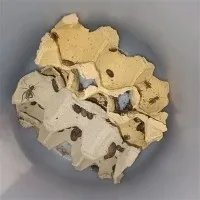

As a supplier of Dubia Roaches for Lizards, I often get asked about the growth rate of these roaches. Dubia roaches (Blaptica dubia) have become a popular choice as food for lizards due to their high nutritional value, ease of care, and relatively low odor compared to other feeder insects. Understanding their growth rate is crucial for both lizard owners and suppliers like myself to ensure a consistent and appropriate food source for our scaly friends.
Life Cycle of Dubia Roaches
To understand the growth rate, it's essential to first look at the life cycle of Dubia roaches. They go through three main stages: egg, nymph, and adult.
The egg stage begins when the female Dubia roach produces an ootheca, which is a protective case containing multiple eggs. Unlike some other roach species, female Dubia roaches carry the ootheca internally until the eggs are ready to hatch. This process usually takes about 30 days, depending on environmental conditions such as temperature and humidity.
Once the eggs hatch, the nymphs emerge. Nymphs are small, wingless versions of the adult roaches. They are highly active and require a suitable environment to grow. The nymph stage is the longest part of their life cycle and is when most of the growth occurs.


As the nymphs grow, they molt several times. Molting is the process by which they shed their exoskeleton to allow for further growth. Each molt represents a new instar, or stage of development. The number of instars can vary, but typically, Dubia roach nymphs go through 7 - 9 instars before reaching adulthood.
The adult stage is reached after the final molt. Adult Dubia roaches have wings, although they are not capable of sustained flight. Males are generally smaller and more slender than females, and they can be distinguished by their longer antennae.
Factors Affecting Growth Rate
Several factors can influence the growth rate of Dubia roaches.
Temperature
Temperature is one of the most critical factors. Dubia roaches are cold - blooded creatures, which means their body temperature is regulated by the environment. They thrive in warm temperatures, ideally between 80 - 95°F (27 - 35°C). At these temperatures, their metabolic rate is high, which allows for faster growth and development.
If the temperature is too low, their metabolic rate slows down, and growth will be significantly delayed. For example, at temperatures below 70°F (21°C), the roaches may become sluggish, and their growth can be halted altogether. On the other hand, if the temperature is too high, above 100°F (38°C), it can be stressful for the roaches and may even lead to death.
Humidity
Humidity also plays an important role. Dubia roaches prefer a humidity level of around 40 - 60%. Adequate humidity helps them during the molting process. If the air is too dry, the exoskeleton may become brittle, making it difficult for the nymphs to shed it properly. This can result in incomplete molts, which can be fatal.
Diet
A balanced diet is essential for the healthy growth of Dubia roaches. They are omnivorous and can eat a variety of foods, including fruits, vegetables, grains, and high - protein sources. A diet rich in protein is particularly important for growth, as it provides the building blocks for new tissue.
Some common food items for Dubia roaches include carrots, apples, oats, and fish flakes. Feeding them a diverse diet ensures they get all the necessary nutrients. A poor diet can lead to slow growth, weak exoskeletons, and a higher susceptibility to diseases.
Density
The density of the roach population in a breeding container can also affect growth rate. If the container is overcrowded, there will be competition for food, water, and space. This can lead to stress and slower growth. It's recommended to provide enough space for the roaches to move around freely. A general rule of thumb is to have no more than 100 roaches per square foot of floor space in the container.
Growth Rate Estimates
Under optimal conditions (temperature of 85 - 90°F, humidity of 50 - 60%, and a balanced diet), Dubia roach nymphs can grow relatively quickly.
Newly hatched nymphs are about 1 - 2 mm in length. In the first few weeks, they grow rapidly, reaching about 5 - 6 mm by the end of the first month. As they progress through the instars, their growth rate slows down slightly, but they continue to increase in size.
By the third to fourth month, most nymphs will have reached a medium size, around 15 - 20 mm. It usually takes about 5 - 6 months for Dubia roach nymphs to reach adulthood, at which point they can be around 25 - 40 mm in length, depending on their gender.
It's important to note that these are just estimates, and actual growth rates can vary depending on the specific conditions in which the roaches are kept.
Importance of Growth Rate for Lizard Owners and Suppliers
For lizard owners, understanding the growth rate of Dubia roaches is crucial for providing the right - sized food for their pets. Young lizards require smaller prey items, such as newly hatched or small nymphs. As the lizards grow, they can consume larger roaches. By having an idea of the growth rate, lizard owners can ensure they always have an appropriate food source available.
As a supplier of Dubia Roaches for Reptiles, the growth rate is equally important. It allows me to plan my breeding operations effectively. I need to ensure a steady supply of roaches at different sizes to meet the demands of my customers. For example, I offer 500 Medium Dubia Roaches for those who have medium - sized lizards, and Extra Large Dubia Roaches for larger lizard species.
Conclusion
The growth rate of Dubia roaches is influenced by several factors, including temperature, humidity, diet, and population density. Under optimal conditions, they can grow from newly hatched nymphs to adults in about 5 - 6 months. Understanding this growth rate is essential for both lizard owners and suppliers like myself.
If you're a lizard owner looking for a reliable source of Dubia roaches or have any questions about their growth rate, feel free to reach out. I'm here to help you ensure that your lizards get the best - quality food. Whether you need a small quantity for a single lizard or a large order for a breeding facility, I can provide the right - sized Dubia roaches to meet your needs. Let's start a conversation about your requirements and find the perfect solution for your lizard - feeding needs.
References
- D'Alessandro, P. (2017). The Dubia Roach Handbook: Everything You Need to Know About Keeping, Breeding, and Feeding Dubia Roaches.
- Horn, G. (2019). Feeder Insects: A Guide to Breeding and Raising Insects for Reptiles and Amphibians.