




Hey there, reptile enthusiasts! As a supplier of frozen rats for reptiles, I've had my fair share of questions about the differences between frozen mice and frozen rats when it comes to feeding our scaly friends. So, I thought I'd sit down and write a blog post to clear up any confusion.
Let's start with the basics. Both mice and rats are commonly used as food for reptiles, but there are some key differences that you need to be aware of.
Size Matters
One of the most obvious differences between frozen mice and frozen rats is their size. Mice are generally smaller than rats, and this can have a big impact on which one is the right choice for your reptile.
If you have a small reptile, like a baby corn snake or a juvenile leopard gecko, frozen mice are probably going to be the better option. They're easier for small reptiles to swallow and digest, and they provide just the right amount of nutrition.
On the other hand, if you have a larger reptile, like a boa constrictor or a monitor lizard, frozen rats are a better choice. These guys need more food to sustain their size and energy levels, and rats provide a more substantial meal.
Nutritional Value
Another important factor to consider is the nutritional value of frozen mice and frozen rats. While both are good sources of protein, rats generally have a higher fat content than mice. This can be beneficial for some reptiles, especially those that are more active or have a higher metabolism.
However, if your reptile is prone to obesity or has a sensitive digestive system, you might want to stick with frozen mice. They're lower in fat and can be easier on your reptile's stomach.
Availability
Availability is also something to keep in mind. Frozen mice are generally more widely available than frozen rats, especially in smaller pet stores. This is because they're smaller and easier to store and transport.
However, as a supplier of frozen rats for reptiles, I can tell you that there's definitely a market for them. If you're having trouble finding frozen rats in your area, you might want to consider ordering them online. There are plenty of reputable suppliers out there, including me!
Cost
Cost is another factor that can influence your decision. In general, frozen mice are cheaper than frozen rats. This is because they're smaller and require less food to raise.
However, if you have a larger reptile that needs to eat a lot of food, the cost difference between mice and rats might not be as significant. In fact, it might be more cost-effective to feed your reptile rats in the long run, since they provide a more substantial meal.
Types of Frozen Rats
Now that we've talked about the differences between frozen mice and frozen rats, let's take a closer look at the different types of frozen rats that are available.
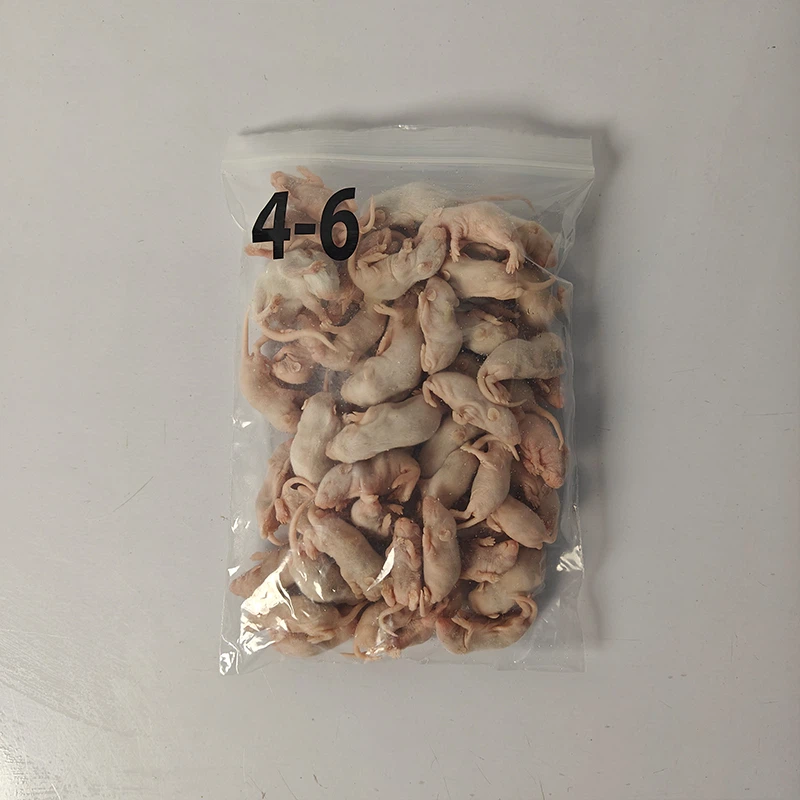
- Frozen Pup Rats: These are the smallest type of frozen rats, and they're typically used for feeding small reptiles. They're usually less than a week old and are about the size of a large mouse.
- Frozen Pinkie Rats: These are slightly larger than pup rats, and they're also used for feeding small reptiles. They're usually about a week old and are pink in color, hence the name.
- Little White Rat: These are larger than pinkie rats, and they're typically used for feeding medium-sized reptiles. They're usually about two weeks old and are white in color.
How to Choose the Right Size
When it comes to choosing the right size of frozen rat for your reptile, there are a few things to keep in mind.
First, you want to make sure that the rat is small enough for your reptile to swallow whole. If the rat is too big, your reptile might have trouble digesting it, or it could even choke.
Second, you want to make sure that the rat provides enough nutrition for your reptile. As a general rule of thumb, you want to feed your reptile a rat that's about the same width as the widest part of its body.
How to Thaw Frozen Rats
Once you've chosen the right size of frozen rat for your reptile, it's important to thaw it properly before feeding it to your pet.
The best way to thaw a frozen rat is to place it in the refrigerator overnight. This will allow the rat to thaw slowly and safely, without losing any of its nutritional value.
If you're in a hurry, you can also thaw a frozen rat in warm water. However, you need to be careful not to overheat the rat, as this can cause it to lose its nutritional value and can also make it unsafe for your reptile to eat.

Conclusion
So, there you have it! The differences between frozen mice and frozen rats for reptiles. As you can see, there are a few things to consider when choosing the right food for your scaly friend, including size, nutritional value, availability, and cost.
If you have any questions or if you're interested in purchasing frozen rats for your reptile, please don't hesitate to contact me. I'm always happy to help!
References
- "Feeding Your Reptile: A Guide to Choosing the Right Food." Reptiles Magazine.
- "The Nutritional Value of Frozen Mice and Rats for Reptiles." Journal of Herpetological Medicine and Surgery.
- "How to Thaw Frozen Rats for Reptiles." Reptile Care 101.