




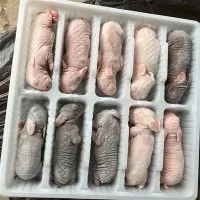
As a supplier of frozen rabbits, I often get asked about the cost associated with freezing and storing these products. In this blog post, I'll break down the various factors that contribute to the overall cost, providing you with a comprehensive understanding of what goes into keeping our frozen rabbits in optimal condition.
Initial Costs of Freezing Rabbits
The first step in the process is the actual freezing of the rabbits. This involves several costs, starting with the equipment. To ensure that the rabbits are frozen quickly and evenly, we use commercial - grade freezers. These freezers are specifically designed to reach and maintain extremely low temperatures, which is crucial for preserving the quality of the meat. The cost of purchasing and installing such high - end freezers can be quite substantial.


Energy consumption is another significant factor. Running these large freezers 24/7 requires a significant amount of electricity. The cost of energy varies depending on the location and the current market rates. In areas where electricity is more expensive, the cost of freezing a single rabbit can increase accordingly.
In addition to the equipment and energy costs, there are also labor costs involved in the freezing process. Our staff is responsible for handling the rabbits, placing them in the freezers, and monitoring the freezing process. They need to ensure that the rabbits are arranged properly to allow for efficient freezing and that the temperature is maintained at the appropriate level. The wages and benefits of these employees contribute to the overall cost of freezing the rabbits.
Storage Costs
Once the rabbits are frozen, they need to be stored until they are ready to be shipped to our customers. Storage costs are a major part of the overall expense. We rent large cold storage facilities to house our frozen rabbit inventory. The rental cost of these facilities is based on the amount of space we use. As our business grows and we need to store more rabbits, the cost of renting additional space increases.
Similar to the freezing process, energy is also a significant cost in storage. The cold storage facilities need to be kept at a constant low temperature to prevent the rabbits from thawing. This requires a continuous supply of electricity, and the cost of this energy adds up over time.
There are also costs associated with inventory management. We need to keep track of the quantity, location, and expiration dates of the frozen rabbits in our storage facilities. This involves using inventory management software and hiring staff to manage the system. The software itself has a licensing cost, and the employees who manage it need to be trained and paid.
Quality Control and Safety Costs
Maintaining the quality and safety of our frozen rabbits is of utmost importance. We conduct regular quality control checks to ensure that the rabbits meet our high standards. This includes inspecting the rabbits for any signs of damage, spoilage, or contamination. We also test the meat for various pathogens and ensure that it is free from harmful substances.
The equipment and materials used in quality control, such as testing kits and inspection tools, come at a cost. Additionally, the staff who perform these quality control checks need to be trained and paid. We also need to comply with various food safety regulations. This may involve obtaining certifications, conducting regular audits, and implementing safety protocols. All of these activities require time, money, and resources.
Packaging Costs
Proper packaging is essential for protecting the frozen rabbits during storage and transportation. We use high - quality packaging materials that are designed to keep the rabbits frozen and prevent them from being damaged. The cost of these packaging materials, such as plastic bags, boxes, and insulation, adds to the overall cost.
The process of packaging the rabbits also requires labor. Our employees need to carefully wrap and label each rabbit to ensure that it is properly identified. The wages of these packaging workers are part of the cost equation.
Market Factors Affecting Cost
The cost of freezing and storing rabbits can also be influenced by market factors. For example, the price of raw materials, such as the feed used to raise the rabbits, can affect the overall cost. If the cost of feed increases, the cost of raising the rabbits goes up, which in turn can increase the cost of freezing and storing them.
Competition in the market can also have an impact on cost. If there are many suppliers of frozen rabbits, we may need to keep our prices competitive. This could mean finding ways to reduce our costs without sacrificing the quality of our products. On the other hand, if there is high demand for frozen rabbits, we may be able to charge a higher price, which could offset some of the costs associated with freezing and storing them.
Our Offerings
We offer a variety of frozen rabbit products to meet the different needs of our customers. Whether you are looking for Frozen Rabbits for Snake Food, Whole Frozen Rabbit, or Frozen Rabbits for Reptiles, we have you covered. Our products are carefully processed and stored to ensure the highest quality and freshness.
Contact Us for Purchasing
If you are interested in purchasing our frozen rabbits, we invite you to contact us for more information. We can provide you with detailed pricing based on your specific requirements. Our team is ready to answer any questions you may have and to assist you in placing an order. We are committed to providing our customers with the best products and services at a reasonable cost.
References
- Industry reports on frozen food storage costs
- Data on energy consumption in commercial cold storage facilities
- Labor cost analysis in the food processing industry