



Hey there, reptile enthusiasts! As a supplier of Frozen Rats for Reptiles, I've had my fair share of experiences and knowledge about presenting these critters to our scaly friends. So, let's dive right into what I think is the best way to present a frozen rat to a reptile.
First off, why frozen rats? Well, they're a convenient and safe option for feeding reptiles. They're free from the potential diseases and parasites that live prey might carry, and they're easy to store. You can keep them in your freezer until it's mealtime for your reptile.
Now, the thawing process is crucial. You can't just plop a frozen rat straight into your reptile's enclosure. That's a surefire way to cause digestive issues. The best way to thaw a frozen rat is to place it in a sealed plastic bag and submerge it in lukewarm water. This method mimics the natural body temperature of a live prey, making it more appealing to your reptile. Avoid using hot water, as it can cook the outside of the rat while the inside remains frozen, and it can also create an unappetizing texture.
Some people like to use the refrigerator to thaw the rats. It's a slow and safe method, but it can take a long time, especially for larger rats. If you're in a hurry, the lukewarm water method is your best bet. Just make sure to change the water every 15 - 20 minutes to keep it at a consistent temperature.
Once the rat is fully thawed, it's time to present it to your reptile. But how you do this depends on the type of reptile you have. For snakes, a pair of long - handled feeding tongs is a must - have. Snakes are ambush predators, and they rely on movement to trigger their feeding response. Use the tongs to wiggle the rat in front of the snake, mimicking the movement of a live prey. This will get the snake excited and more likely to strike.
If you have a monitor lizard or a larger reptile, you can place the thawed rat in a shallow dish in the enclosure. Monitor lizards are opportunistic feeders, and they'll often sniff out and investigate the food on their own. Just make sure the dish is stable and won't tip over easily.
For smaller reptiles like geckos, you might need to cut the rat into smaller, more manageable pieces. You can use a sharp pair of scissors or a knife to do this. Make sure the pieces are small enough for the gecko to swallow without choking. You can then place the pieces in a small dish or use tweezers to offer them directly to the gecko.
Another important thing to consider is the size of the rat. You don't want to give your reptile a rat that's too big or too small. A rat that's too big can cause choking or digestive problems, while a rat that's too small won't provide enough nutrition. As a general rule of thumb, the width of the rat should be no more than the widest part of your reptile's body.
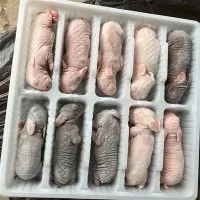
When it comes to the type of frozen rat, we have a variety of options at our [Supplier]. For those looking for a unique option, check out our White Fluffy Rat. It's a great choice for reptiles that might be more attracted to the appearance of a different - colored prey. And if you have a large snake, our Frozen Jumbo Rat is the perfect meal. It provides a substantial amount of nutrition to keep your snake healthy and satisfied. Of course, our Frozen Rats for Snake are a staple for snake owners, offering a balanced diet for these slithery creatures.
Timing is also key when presenting a frozen rat to a reptile. Most reptiles are more active during certain times of the day. For example, snakes are often more active at night, so it might be a good idea to feed them in the evening. Monitor lizards, on the other hand, are diurnal, so they're more likely to eat during the day. Observe your reptile's behavior to figure out the best time to offer them food.
After you've presented the rat, give your reptile some time to eat. Don't disturb them during this process, as it can stress them out. If your reptile doesn't eat the rat right away, don't panic. Sometimes, they might be full or not in the mood to eat. You can remove the rat after a few hours and try again later.
Cleaning up is an important part of the process too. Make sure to remove any uneaten parts of the rat from the enclosure. Leaving food in the enclosure for too long can attract pests and cause a foul smell. Wash the feeding dish or tongs thoroughly after each use to prevent the spread of bacteria.
As a supplier, I know that getting the right frozen rats for your reptile is essential. We take great care in ensuring that our rats are of the highest quality. They're humanely raised and frozen at the right time to preserve their nutritional value.
If you're interested in purchasing our Frozen Rats for Reptiles, we're here to help. Whether you're a new reptile owner or an experienced enthusiast, we can provide you with the right advice and products. We offer a range of sizes and types of frozen rats to meet the needs of different reptiles. So, if you're looking for a reliable source of frozen rats, don't hesitate to reach out. We're always happy to discuss your requirements and help you make the best choice for your scaly friend.
In conclusion, presenting a frozen rat to a reptile involves a few key steps: proper thawing, choosing the right presentation method based on the reptile's species, getting the size of the rat right, and ensuring a clean and stress - free feeding environment. By following these tips, you can ensure that your reptile gets the nutrition it needs and enjoys its meal.


References
- Barker, D., & Barker, T. (2008). Reptile Husbandry Manual. CRC Press.
- Stahl, S. S., & Donoghue, S. (2010). Nutrition of Reptiles: From Science to Practice. Academic Press.