



Hey there! As a supplier of Whole Frozen Rabbit, I've been getting a lot of questions lately about whether whole frozen rabbit is a sustainable food choice. So, I thought I'd take a deep dive into this topic and share my thoughts with you.
First off, let's talk about what sustainability really means when it comes to food. In a nutshell, a sustainable food choice is one that meets the needs of the present without compromising the ability of future generations to meet their own needs. This includes considering factors like environmental impact, animal welfare, and social responsibility.
Environmental Impact
One of the biggest advantages of rabbit meat in terms of sustainability is its low environmental footprint. Rabbits are incredibly efficient animals when it comes to converting feed into meat. They require less land, water, and feed compared to larger livestock like cows or pigs.
For starters, rabbits have a high feed conversion ratio. This means they can turn a relatively small amount of feed into a significant amount of meat. According to some studies, rabbits can convert about 2.5 - 3 pounds of feed into 1 pound of meat, while chickens need about 2 - 2.5 pounds of feed per pound of meat, and pigs can take around 3 - 5 pounds of feed per pound of meat. Cows are even less efficient, often requiring 6 - 10 pounds of feed per pound of meat.
In addition to feed efficiency, rabbits also have a smaller land requirement. They can be raised in relatively small spaces, either in cages or in free - range systems. This is a huge plus when you consider the increasing pressure on land resources due to population growth and urbanization.
Water usage is another important factor. Rabbits consume much less water compared to larger livestock. They don't need large amounts of water for drinking or for maintaining their living environment. This makes them a more sustainable option in regions where water is scarce.
Animal Welfare
When it comes to animal welfare, rabbits can be raised in a way that ensures a good quality of life. At our farm, we make sure that our rabbits have enough space to move around, access to fresh water and high - quality feed, and a clean and comfortable living environment.
Rabbits are social animals, and we house them in groups where they can interact with each other. We also provide them with enrichment activities, such as toys and hiding places, to keep them mentally stimulated. Our rabbits are not subjected to any unnecessary stress or pain during their lives.
When it comes to the slaughter process, we follow strict animal welfare guidelines. We use humane methods that minimize stress and pain for the animals. This is not only the right thing to do from an ethical perspective but also ensures that the meat we produce is of high quality.
Social Responsibility
From a social responsibility standpoint, rabbit farming can have positive impacts on local communities. It can provide employment opportunities, especially in rural areas. Small - scale rabbit farming can be a great way for farmers to diversify their income sources and improve their economic situation.
Rabbit meat is also a good source of protein, especially in areas where other sources of meat may be scarce or expensive. It can contribute to food security and help meet the nutritional needs of local populations.
Market Demand
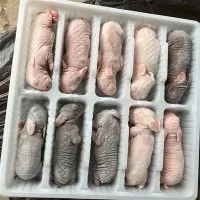
The demand for whole frozen rabbit is growing in various markets. Apart from being a human food source, there is also a significant market for Frozen Rabbits for Snake Food and Frozen Rabbits for Reptiles. Many reptile owners prefer to feed their pets with whole frozen rabbits as it provides a more natural and balanced diet for the animals.
For human consumption, rabbit meat is gaining popularity due to its health benefits. It is low in fat, high in protein, and rich in vitamins and minerals. It is also a good alternative for people who are looking for a leaner and more sustainable meat option. You can check out our Whole Frozen Rabbit product page for more details.
Challenges
Of course, there are also some challenges associated with rabbit meat production. One of the main challenges is consumer perception. In some cultures, rabbit meat is not a traditional food, and there may be a lack of awareness about its benefits. This can make it difficult to market rabbit meat to a wider audience.
Another challenge is disease management. Rabbits can be susceptible to certain diseases, such as myxomatosis and rabbit hemorrhagic disease. However, with proper vaccination, hygiene, and management practices, these diseases can be effectively controlled.
Conclusion
So, is whole frozen rabbit a sustainable food choice? In my opinion, the answer is a resounding yes. It has a low environmental impact, can be raised with good animal welfare standards, and has positive social implications.


If you're a pet owner looking for high - quality food for your snakes or reptiles, or if you're a chef or a home cook interested in trying out a new and sustainable meat option, we'd love to hear from you. We offer top - notch whole frozen rabbits that are carefully processed and stored to ensure freshness and quality.
Whether you're a small - scale retailer or a large - scale distributor, we can work with you to meet your specific needs. If you're interested in purchasing our whole frozen rabbit products, don't hesitate to reach out to us for a purchase negotiation. We're always happy to discuss pricing, quantities, and delivery options to make sure you get the best deal possible.
References
- "Livestock Feed Conversion Ratios: A Review" - Various agricultural research studies
- "Animal Welfare in Rabbit Farming" - International Rabbit Science Association publications
- "Sustainable Food Systems and Small - Scale Livestock Production" - United Nations Food and Agriculture Organization reports