



Blaptica dubia, commonly known as Dubia roaches, have gained significant popularity in recent years, especially among reptile and amphibian enthusiasts. As a well - established Blaptica dubia supplier, I've had the privilege of not only breeding these fascinating insects but also sharing my knowledge with fellow breeders and pet owners. In this blog, I'll walk you through the essential steps of breeding Blaptica dubia successfully.
Understanding Blaptica Dubia
Before delving into the breeding process, it's crucial to understand the basic characteristics of Blaptica dubia. These roaches are native to Central and South America. They are a great source of nutrition for reptiles and amphibians due to their high protein content, low fat, and excellent calcium - to - phosphorus ratio. You can learn more about their use as food for lizards at Dubia Roaches for Lizards.
Blaptica dubia are relatively large roaches, with adult females reaching up to 1.5 - 2 inches in length, while males are slightly smaller. Adult females can be easily distinguished by their rounded wings, while males have longer, more pointed wings. To see what adult female Dubia look like, check out Adult Female Dubia.
Setting Up the Breeding Enclosure
The first step in breeding Blaptica dubia is to set up an appropriate enclosure. You can use a plastic container, glass terrarium, or even a specialized insect breeding box. The size of the enclosure depends on the number of roaches you plan to breed. A good rule of thumb is to provide at least 1 square foot of floor space for every 100 roaches.
Line the bottom of the enclosure with a substrate. Coconut fiber, peat moss, or even paper towels can be used. The substrate helps to maintain humidity and provides a place for the roaches to hide and lay their eggs.
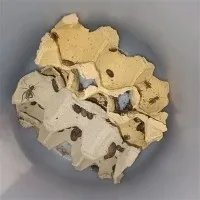
Next, add hiding places. Egg cartons are an excellent choice as they provide multiple layers of hiding spots and increase the surface area for the roaches to climb on. You can stack the egg cartons vertically or horizontally in the enclosure.
Temperature and Humidity
Blaptica dubia thrive in warm and humid environments. The ideal temperature range for breeding is between 80 - 90°F (27 - 32°C). You can use a heat mat or a heat lamp to maintain the temperature. Place the heat source on one side of the enclosure to create a temperature gradient, allowing the roaches to move to their preferred temperature.


Humidity is also crucial. Aim for a humidity level of 40 - 60%. You can increase humidity by misting the enclosure with water regularly or by placing a shallow dish of water inside. However, make sure the enclosure doesn't become too wet, as this can lead to mold growth and other health problems for the roaches.
Feeding
A proper diet is essential for the health and reproduction of Blaptica dubia. These roaches are omnivores and will eat a variety of foods. A good base diet consists of high - quality dry dog or cat food, which provides a balanced source of protein, carbohydrates, and fats. You can also supplement their diet with fresh fruits and vegetables, such as apples, carrots, and leafy greens.
It's important to provide a constant supply of food and water. Place the food in shallow dishes or scatter it around the enclosure. For water, you can use a water gel or a shallow dish filled with cotton balls soaked in water. This prevents the roaches from drowning.
Breeding
Blaptica dubia are ovoviviparous, which means the females carry the eggs inside their bodies until they are ready to hatch. The gestation period is approximately 30 days. When a female is ready to give birth, she will produce a small, white egg case called an ootheca. Each ootheca can contain up to 40 nymphs.
To encourage breeding, maintain a proper male - to - female ratio. A ratio of 1 male to 3 - 4 females is ideal. Provide enough hiding places and a suitable environment, and the roaches will naturally breed on their own.
Once the nymphs are born, they are very small and vulnerable. Make sure there are plenty of hiding places and a sufficient food supply for them. The nymphs will molt several times as they grow, and they will reach adulthood in about 4 - 6 months.
Maintaining the Colony
Regular maintenance is required to keep the Blaptica dubia colony healthy. Remove any dead roaches, uneaten food, and feces from the enclosure regularly. This helps to prevent the growth of bacteria and mold.
Monitor the temperature and humidity levels daily to ensure they remain within the ideal range. Check the roaches for any signs of illness or parasites, such as discoloration, lethargy, or abnormal behavior.
If the colony becomes overcrowded, you may need to separate some of the roaches into a new enclosure. Overcrowding can lead to stress, aggression, and reduced reproduction.
Using Dubia Roaches as Feeders
Blaptica dubia are an excellent food source for reptiles and amphibians. They are easy to digest, nutritious, and less likely to carry diseases compared to other feeder insects. You can learn more about using Dubia roaches for reptiles at Dubia Roaches for Reptiles.
When feeding Dubia roaches to your pets, make sure to select the appropriate size. Small nymphs are suitable for small reptiles and amphibians, while larger adults can be fed to larger animals.
Contact for Purchase and Discussion
If you're interested in starting your own Blaptica dubia colony or need a reliable supplier for your existing needs, I'm here to help. Whether you have questions about breeding, feeding, or any other aspect of Blaptica dubia care, feel free to reach out. We can discuss your requirements, and I can provide you with the best solutions for your specific situation.
References
- Horn, G. (2018). "Insects as Feed for Reptiles: A Nutritional Perspective." Journal of Herpetological Medicine and Surgery.
- Smith, J. (2020). "Breeding Blaptica dubia: A Practical Guide." Insect Breeding Quarterly.