




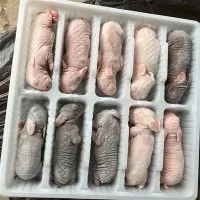
Hey there, fellow pet owners! If you're here, chances are you've got a pet that loves chowing down on frozen pinkie rats. I'm a supplier of these little critters, and I get this question a lot: "How often should I feed my pet frozen pinkie rats?" Well, let's dive right in and figure this out together.
First off, it's important to understand that the frequency of feeding your pet frozen pinkie rats depends on a few key factors. The type of pet you have is the biggest one. For example, if you've got a snake, the feeding schedule can vary quite a bit based on the snake's age, size, and species.
Baby snakes, especially those of smaller species, usually need to eat more often. They're growing like crazy, and they need that extra energy. A lot of baby snakes can be fed a frozen pinkie rat every 5 to 7 days. This gives them the nutrients they need to develop properly. As they get a bit older and bigger, you can start to space out the feedings. Once they reach adulthood, some snakes might only need to eat a frozen pinkie rat every 10 to 14 days.
Now, if you're keeping a lizard as a pet, the rules are a bit different. Some lizards, like the bearded dragon, are omnivores and don't rely solely on frozen pinkie rats. But there are some lizards, such as certain species of monitor lizards, that do eat rodents. Young monitor lizards might need a frozen pinkie rat every 3 to 5 days. As they mature, you can adjust the frequency to every 7 to 10 days.
Another factor to consider is your pet's activity level. If your pet is very active, it might burn through energy faster and need more frequent feedings. On the other hand, if your pet is more sedentary, it won't need as much food.
It's also crucial to pay attention to your pet's body condition. You don't want to overfeed or underfeed them. If your pet is looking a bit too chubby, you might need to cut back on the number of frozen pinkie rats you're giving them. If they seem too skinny, you might need to increase the frequency or the size of the prey.
When it comes to the size of the frozen pinkie rats, you want to make sure it's appropriate for your pet. You don't want to give them something that's too big and might cause them to choke or have digestion problems. For smaller pets, like baby snakes or young lizards, the standard pinkie rats are usually a good choice. But as your pet grows, you might need to move up to larger sizes. We offer a variety of options, including Arctic Mice Frozen Rats, High White Rat, and Frozen Jumbo Rat. These different sizes can accommodate the changing needs of your growing pet.
One thing I always recommend is to keep a feeding log. This way, you can track how often you're feeding your pet, how much they're eating, and any changes in their behavior or body condition. It can be really helpful in adjusting the feeding schedule as needed.
Now, let's talk about the thawing process. You never want to feed your pet a frozen pinkie rat straight from the freezer. It's not only uncomfortable for them to eat, but it can also cause digestive issues. The best way to thaw a frozen pinkie rat is to place it in a sealed plastic bag and then submerge it in warm water. Make sure the water isn't too hot, though, as you don't want to cook the rat. It usually takes about 20 to 30 minutes for a pinkie rat to thaw completely. You can also use a dedicated rodent thawing device if you have one.
Once the rat is thawed, you can use feeding tongs to offer it to your pet. This helps to keep your hands safe and also mimics the natural hunting behavior of your pet.
In some cases, you might have a picky eater on your hands. If your pet doesn't seem interested in the frozen pinkie rat, there are a few things you can try. You can try wiggling the rat a bit with the feeding tongs to make it look more like a live prey. You can also try scenting the rat with a bit of tuna or other strong-smelling food. But be careful not to use too much, as you don't want to upset your pet's stomach.
If you're still having trouble getting your pet to eat, it might be a good idea to consult with a veterinarian or a reptile expert. They can give you more specific advice based on your pet's individual needs.
So, to sum it up, there's no one-size-fits-all answer to how often you should feed your pet frozen pinkie rats. It depends on your pet's species, age, size, activity level, and body condition. By paying attention to these factors and keeping a close eye on your pet, you can figure out the perfect feeding schedule.
If you're in the market for high-quality frozen pinkie rats or any of our other rodent products, don't hesitate to reach out. We're here to provide you with the best products and answer any questions you might have. Whether you're a new pet owner just starting out or a seasoned pro, we've got you covered. Contact us today to start discussing your procurement needs and ensure your pet gets the nutrition it deserves.
References


- "Reptile and Amphibian Nutrition" by Gary R. Wiles
- "The Complete Guide to Keeping Reptiles and Amphibians" by David and Tracy Barker