



Hey there! I'm a supplier of frozen rabbits, and I know a thing or two about storing this meat to keep it in top - notch quality. Whether you're a retailer, a reptile owner, or someone looking to use rabbit meat for various purposes, proper storage is key.
First off, let's talk about why storing frozen rabbit meat correctly is so important. When you freeze meat, the goal is to halt the growth of bacteria and other microorganisms that can cause spoilage and make the meat unsafe to consume. If the storage conditions aren't right, you risk losing the flavor, texture, and nutritional value of the rabbit meat.
Initial Freezing Process
When we, as suppliers, receive fresh rabbit meat, we start the freezing process as soon as possible. The quicker we freeze it, the better the quality will be in the long run. We use commercial - grade freezers that can drop the temperature of the meat to around - 18°C (0°F) or even lower. This rapid freezing helps to form small ice crystals within the meat. Small ice crystals are less likely to damage the cell structure of the meat compared to large ones.


Once the meat is properly frozen, we package it carefully. We use vacuum - sealed bags or air - tight containers. Vacuum - sealing is especially great because it removes the air from the package. Oxygen in the air can cause oxidation of the meat, which leads to freezer burn. Freezer burn makes the meat dry, tough, and can give it an off - flavor. You can check out our Whole Frozen Rabbit products, which are all vacuum - sealed for optimal storage.
Storage Temperature
The storage temperature is crucial for maintaining the quality of frozen rabbit meat. You should keep your freezer at a consistent temperature of - 18°C (0°F) or below. Fluctuations in temperature can cause the ice crystals in the meat to melt and refreeze, creating larger ice crystals. These larger ice crystals can rupture the cell walls of the meat, resulting in moisture loss and a loss of flavor.
It's a good idea to use a freezer thermometer to make sure the temperature stays within the right range. Some modern freezers have built - in temperature displays, but it's still a good backup to have a separate thermometer. If the temperature rises above - 18°C (0°F), the quality of the meat starts to degrade. For example, the enzymes in the meat that are normally inactive at low temperatures can start to become active again, which can lead to changes in the texture and flavor of the meat.
Storage Duration
Frozen rabbit meat can last a long time if stored properly, but it doesn't last forever. Generally, whole frozen rabbits can be stored for about 9 - 12 months at - 18°C (0°F). Cut - up rabbit parts, like legs or loins, can be stored for 6 - 9 months. After these time periods, the quality of the meat may start to decline. The flavor may become less intense, and the texture may become a bit tougher.
It's important to keep track of the storage time. You can label the packages with the date of freezing. That way, you can use the oldest meat first and ensure that you're always consuming or selling high - quality rabbit meat.
Storage Location in the Freezer
Where you store the frozen rabbit meat in the freezer also matters. Try to place the meat towards the back and bottom of the freezer. These areas tend to have a more stable temperature compared to the front or the top. The door of the freezer is often the warmest part because it's opened frequently, which lets in warm air. So, keeping the rabbit meat away from the door helps to maintain a consistent cold temperature.
If you have a large freezer, you can also consider using a freezer divider. This helps to organize the meat and prevents it from getting buried under other items. You can easily access the rabbit meat when you need it without having to rummage through a bunch of stuff and potentially cause temperature fluctuations.
Thawing Process
When it comes time to use the frozen rabbit meat, the thawing process is just as important as the freezing and storage. The best way to thaw rabbit meat is in the refrigerator. This is the slowest method, but it's also the safest. Place the vacuum - sealed package of rabbit meat on a plate in the fridge and let it thaw overnight or for a day, depending on the size of the meat. Thawing in the fridge allows the meat to thaw evenly and keeps it at a safe temperature where bacteria won't grow rapidly.
If you're in a hurry, you can also thaw the meat in cold water. Put the vacuum - sealed package in a bowl of cold water and change the water every 30 minutes. This method is faster than using the fridge, but you need to be careful to keep the water cold. Once the meat is thawed, cook it immediately. Do not refreeze the meat after it has been thawed using the cold - water method.
Microwave thawing is another option, but it's not the best for maintaining the quality of the meat. The microwave can heat the meat unevenly, which can lead to some parts of the meat starting to cook while other parts are still frozen. If you do use the microwave to thaw the meat, cook it right away.
For Reptile Owners
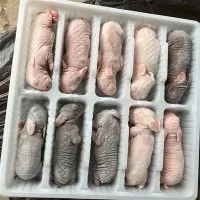
If you're a reptile owner, we also have Frozen Rabbits for Reptiles and Frozen Rabbits for Snake Food. The storage principles are the same as for human consumption. Make sure to store the frozen rabbits at - 18°C (0°F) or below. When it's time to feed your reptile, thaw the meat properly. Feeding your reptile frozen or partially frozen meat can cause digestive problems.
Tips for Retailers
As a retailer, you need to pay extra attention to the storage of frozen rabbit meat. Make sure your freezers are in good working condition. Regularly clean the freezers to prevent the buildup of ice and frost, which can affect the efficiency of the freezer. Train your staff on proper handling of the meat, including how to load and unload the freezer without causing temperature fluctuations.
You can also display the frozen rabbit meat in a way that shows its quality. For example, you can use a freezer with glass doors so that customers can see the products clearly. And make sure to educate your customers about the proper storage and thawing of the rabbit meat. This can help to build trust and ensure that they have a good experience with your products.
Conclusion
Storing frozen rabbit meat to maintain quality is all about following a few simple but important steps. From the initial freezing process to the thawing, every step plays a role in keeping the meat fresh, flavorful, and safe to consume. Whether you're an individual looking to buy rabbit meat for your family or a retailer or a reptile owner, following these guidelines will help you get the most out of your frozen rabbit meat.
If you're interested in purchasing our high - quality frozen rabbit products, we're here to have a chat with you. Just reach out, and we can discuss your specific needs, whether it's for whole frozen rabbits, rabbit parts, or frozen rabbits for reptiles. Let's work together to ensure you get the best frozen rabbit meat possible.
References
- "The Science of Meat Preservation" by Food Science Institute
- "Frozen Food Storage Guidelines" by USDA Food Safety and Inspection Service