



As a supplier of Adult Female Dubia, I understand the importance of maintaining a healthy habitat for these insects. One of the most common issues that can arise in the habitat of adult female Dubia roaches is mold growth. Mold not only poses a threat to the health of the roaches but can also affect the overall quality of the product we supply. In this blog post, I will share some effective strategies on how to prevent mold in the habitat of adult female Dubia roaches.
Understanding the Conditions that Promote Mold Growth
Before we delve into the prevention methods, it's crucial to understand the conditions that favor mold growth. Mold thrives in environments that are warm, humid, and have a source of organic matter. In the case of adult female Dubia roaches, their habitat often contains food, water, and waste, which can provide the perfect breeding ground for mold if not properly managed.
Proper Ventilation
One of the most effective ways to prevent mold growth is to ensure proper ventilation in the roach habitat. Good air circulation helps to reduce humidity levels and prevent the buildup of moisture, which is essential for mold growth. You can achieve this by using a well-ventilated container or adding small holes to the sides of the enclosure. Make sure the holes are small enough to prevent the roaches from escaping but large enough to allow for adequate air exchange.
For example, if you are using a plastic storage container as a habitat, you can drill several small holes around the top and sides. This will create a natural airflow that helps to keep the environment dry and fresh. Additionally, you can place a small fan near the habitat to enhance air circulation, especially in larger enclosures.
Controlling Humidity
Maintaining the right humidity level is crucial for preventing mold in the Dubia roach habitat. The ideal humidity range for adult female Dubia roaches is between 40% and 60%. To monitor the humidity, you can use a hygrometer, which is a simple device that measures the moisture content in the air.
If the humidity levels are too high, you can take several steps to reduce it. One option is to use a dehumidifier in the room where the roach habitat is located. This will help to remove excess moisture from the air and keep the environment within the optimal range. Another method is to adjust the water source in the habitat. Instead of using a large water dish, you can provide water through a water gel or a moistened sponge. This will reduce the amount of standing water and minimize the risk of mold growth.
Regular Cleaning and Sanitation
Regular cleaning and sanitation are essential for preventing mold in the Dubia roach habitat. Remove any uneaten food, feces, and dead roaches from the enclosure on a daily basis. These organic materials can quickly decompose and provide a food source for mold. You can use a small scoop or a pair of tweezers to remove the debris.
In addition to daily cleaning, you should also perform a deep cleaning of the habitat on a regular basis. Empty the entire enclosure and wash it with a mild soap and water solution. Rinse it thoroughly and allow it to dry completely before adding new substrate and roaches. This will help to remove any mold spores or bacteria that may be present in the habitat.
Choosing the Right Substrate
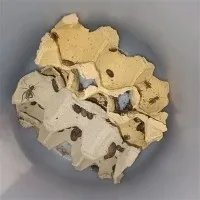
The substrate you use in the Dubia roach habitat can also play a role in preventing mold growth. Avoid using substrates that retain moisture for long periods, such as peat moss or coconut fiber. Instead, opt for a dry and absorbent substrate, such as paper towels or egg cartons. These materials are easy to replace and do not provide a suitable environment for mold to grow.
Paper towels are a popular choice for Dubia roach habitats because they are inexpensive, easy to find, and can be easily replaced when soiled. Egg cartons also provide a good hiding place for the roaches and help to increase the surface area in the enclosure. Make sure to cut the egg cartons into small pieces and arrange them in a way that allows for easy movement of the roaches.
Providing a Balanced Diet
A balanced diet is not only important for the health of the Dubia roaches but can also help to prevent mold in the habitat. Overfeeding can lead to an accumulation of uneaten food, which can attract mold and other pests. Make sure to provide the roaches with a适量 of food that they can consume within a few hours.
A good diet for adult female Dubia roaches consists of a variety of fruits, vegetables, grains, and protein sources. You can offer them items such as carrots, apples, oats, and fish food. Avoid feeding them foods that are high in sugar or fat, as these can be difficult for the roaches to digest and may contribute to mold growth.
Monitoring the Habitat
Regular monitoring of the Dubia roach habitat is essential for early detection of mold growth. Check the enclosure daily for any signs of mold, such as a fuzzy or powdery substance on the walls, substrate, or food. If you notice any mold, take immediate action to remove it and address the underlying cause.
You can use a small brush or a damp cloth to gently remove the mold from the affected areas. Make sure to wear gloves and a mask to protect yourself from inhaling the mold spores. After removing the mold, clean the area thoroughly with a mild disinfectant to prevent it from coming back.
Conclusion
Preventing mold in the habitat of adult female Dubia roaches is crucial for maintaining their health and the quality of the product we supply. By following these strategies, you can create a clean, dry, and healthy environment for the roaches. Remember to provide proper ventilation, control humidity, perform regular cleaning and sanitation, choose the right substrate, provide a balanced diet, and monitor the habitat regularly.
If you are interested in purchasing Adult Female Dubia or 1000 Dubia Roaches for your lizards, Dubia Roaches for Lizards are an excellent choice. We are committed to providing high-quality Dubia roaches that are healthy and free from mold. Contact us today to discuss your specific requirements and start a procurement negotiation.


References
- Smith, J. (2020). The Care and Keeping of Dubia Roaches. Insect Care Journal, 15(2), 45-52.
- Johnson, A. (2019). Preventing Mold in Insect Habitats. Entomology Today, 22(3), 67-74.
- Brown, C. (2018). Optimal Humidity Levels for Dubia Roaches. Insect Health Review, 12(4), 33-39.