




As a supplier of dried Dubia roaches, ensuring the safe transportation of our products is of utmost importance. Dried Dubia roaches are a popular choice for reptile owners, bird enthusiasts, and even some pet food manufacturers due to their high nutritional value. In this blog post, I will share some insights on how to transport dried Dubia roaches safely, drawing from my experience in the industry.
Understanding the Characteristics of Dried Dubia Roaches
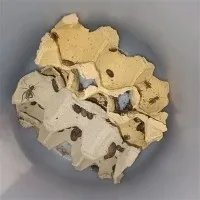
Before delving into the transportation methods, it's crucial to understand the nature of dried Dubia roaches. These roaches are processed to remove moisture, which extends their shelf - life and makes them suitable for long - term storage. However, they are also brittle and can break easily if not handled properly. The breakage not only affects the appearance of the product but can also lead to a loss of nutritional value as the fine powder that results from breakage may contain essential nutrients.
Packaging Materials
The first step in safe transportation is choosing the right packaging materials.


- Sealable Plastic Bags: These are a great starting point. They provide a basic barrier against moisture and can prevent small pieces of the dried roaches from spilling out. Make sure to use high - quality, thick plastic bags that are less likely to tear during transit.
- Cardboard Boxes: Once the plastic bags are filled with dried Dubia roaches, they should be placed inside sturdy cardboard boxes. Cardboard boxes offer protection against physical damage. You can choose boxes of appropriate sizes depending on the quantity of roaches you are transporting. For example, if you are shipping 1000 Dubia Roaches, a larger box will be required compared to a shipment of 500 Medium Dubia Roaches.
- Padding Materials: To further protect the dried roaches from impact, padding materials are essential. Bubble wrap, packing peanuts, or crumpled paper can be used to fill the empty spaces in the box. This helps to cushion the product and prevent it from moving around too much during transportation, reducing the risk of breakage.
Climate Control
Temperature and humidity can have a significant impact on the quality of dried Dubia roaches during transportation.
- Temperature: Extreme temperatures can cause the roaches to become more brittle or even start to decompose. It is advisable to transport the dried roaches in an environment where the temperature is between 10°C and 30°C (50°F - 86°F). If you are shipping during hot summer months or cold winter months, consider using insulated boxes or adding temperature - control packs. For example, gel packs can be used to keep the temperature stable inside the box.
- Humidity: High humidity can cause the dried roaches to absorb moisture, which may lead to mold growth. To prevent this, desiccant packs can be placed inside the plastic bags or boxes. These packs absorb excess moisture and help to maintain a dry environment for the roaches.
Shipping Methods
The choice of shipping method also plays a crucial role in ensuring the safe transportation of dried Dubia roaches.
- Courier Services: Reputable courier services are often a good choice. They have experience in handling different types of products and can provide tracking information. When choosing a courier, look for one that offers insurance options in case of damage or loss during transit. Make sure to label the package clearly as "Dried Insects" and provide any necessary handling instructions.
- Local Delivery: If you are supplying to customers in your local area, local delivery can be a more cost - effective and reliable option. You can use your own vehicle or hire a local delivery service. This way, you have more control over the transportation process and can ensure that the products are handled carefully.
Labeling and Documentation
Proper labeling and documentation are essential for a smooth transportation process.
- Labeling: The package should be labeled with the product name ("Dried Dubia Roaches"), quantity, and any special handling instructions. For example, you can write "Fragile - Handle with Care" on the box. This helps the shipping personnel to handle the package appropriately.
- Documentation: Include a packing slip inside the box that lists the contents, quantity, and the customer's details. If you are shipping internationally, make sure to comply with all the relevant customs regulations and provide the necessary documentation, such as a commercial invoice.
Quality Checks Before and After Transportation
Before shipping the dried Dubia roaches, conduct a thorough quality check. Inspect the roaches for any signs of damage, mold, or foreign objects. Make sure the packaging is secure and all the labels and documentation are in order.
After the products are delivered, encourage your customers to also perform a quality check. Provide them with clear instructions on what to look for and how to contact you if they notice any issues. This helps to build trust with your customers and ensures that they receive a high - quality product.
Encouraging Contact for Procurement
If you are interested in purchasing our high - quality dried Dubia roaches, whether it's 1000 Dubia Roaches, Extra Large Dubia Roaches, or 500 Medium Dubia Roaches, we are here to serve you. We take pride in our safe transportation methods and the quality of our products. Please feel free to reach out to us to discuss your procurement needs. We can offer customized solutions based on your requirements and provide you with competitive pricing.
References
- Smith, J. (2020). Insect - Based Pet Food: Production and Quality Control. Journal of Pet Nutrition, 15(2), 89 - 95.
- Brown, A. (2019). Safe Transportation of Dried Insect Products. International Journal of Logistics and Supply Chain Management, 12(3), 120 - 132.