




Thawing frozen rats for your snake is a crucial process that requires careful attention to ensure the health and well - being of your reptile pet. As a supplier of [Frozen Rats for Snake], I've had extensive experience with both the products and the best practices for thawing them. In this blog, I'll share in - depth knowledge on how to safely and effectively thaw frozen rats for your snake.
Why Thawing Matters
Snakes are cold - blooded animals, and they rely on external heat sources to regulate their body temperature. When it comes to feeding, they are more likely to accept prey that is at an appropriate temperature, similar to that of a live prey. A frozen rat, straight from the freezer, is not only difficult for a snake to consume but can also cause digestive issues. Cold food can slow down the snake's digestive system, leading to regurgitation or other health problems. Therefore, proper thawing is essential for a successful feeding and the overall health of your snake.
Methods of Thawing
Refrigerator Thawing
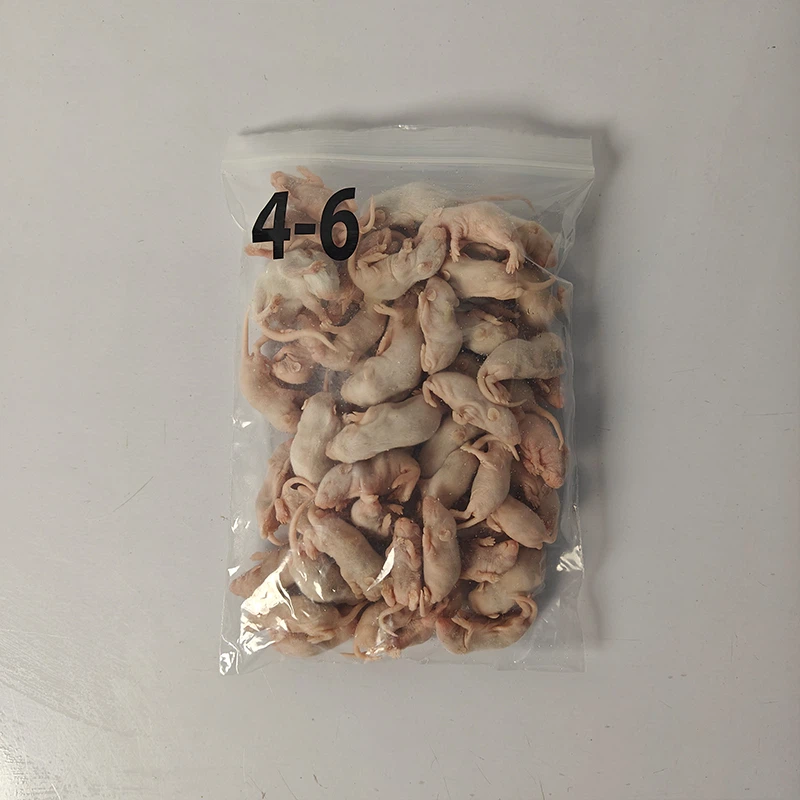
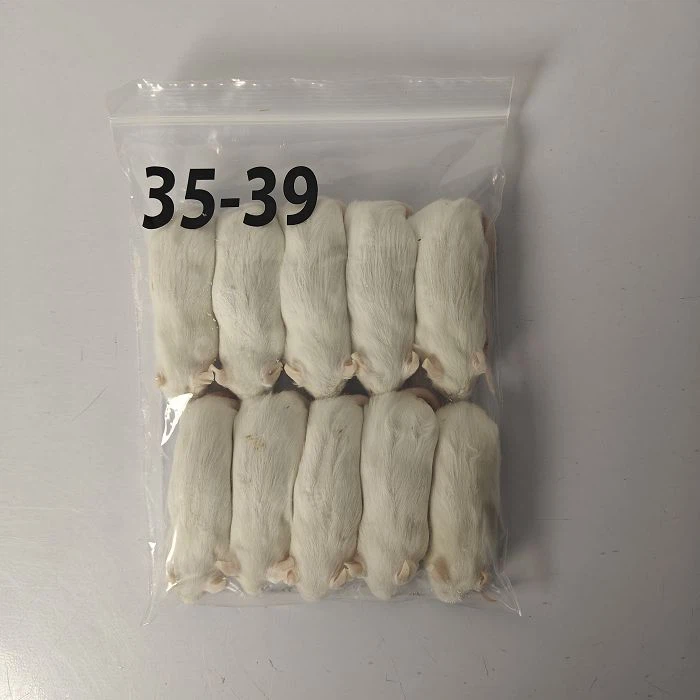
Refrigerator thawing is one of the safest methods. Place the frozen rat in a sealed plastic bag to prevent any potential leakage of fluids that could contaminate the refrigerator. Then, put it in the refrigerator. This slow thawing process can take anywhere from 12 to 24 hours, depending on the size of the rat. For example, a [White Fluffy Rat] might take longer to thaw compared to a [Little White Rat]. The advantage of this method is that it minimizes the growth of bacteria because the temperature remains low throughout the thawing process. However, it requires planning ahead since it takes a relatively long time.
Cold - Water Thawing
If you need to thaw the rat more quickly, cold - water thawing is an option. Fill a container with cold water and submerge the sealed bag containing the frozen rat. Change the water every 30 minutes to keep it cold and ensure a consistent thawing rate. This method usually takes 1 - 3 hours, depending on the size of the rat. It's important to use cold water instead of warm or hot water. Warm water can cause the outer layer of the rat to reach a temperature where bacteria can grow rapidly, while the inside remains frozen.
Warm - Water Thawing (with Caution)
Warm - water thawing is the fastest method but also the riskiest. You can use a container filled with warm water (around 80 - 90°F or 27 - 32°C) to thaw the rat. However, you must constantly monitor the water temperature and the rat. Once the rat is thawed, remove it immediately. This method can take as little as 15 - 30 minutes. But be extremely careful, as if the water is too hot or the rat is left in the water for too long, it can cook the outer layer of the rat, making it unappetizing for the snake and potentially harmful.
Preparing the Thawed Rat for Feeding
After the rat is thawed, it's important to prepare it properly for feeding. First, check the rat for any signs of spoilage, such as an unpleasant odor, discoloration, or a slimy texture. If you notice any of these signs, do not feed the rat to your snake.
Next, you can warm the rat slightly to make it more appealing to the snake. You can use a heat lamp or a warm surface to raise the temperature of the rat to around 80 - 90°F (27 - 32°C), which mimics the body temperature of a live prey.
Tips for Thawing Success
- Use Quality Frozen Rats: As a supplier of [Frozen Rats for Reptiles], I always emphasize the importance of starting with high - quality frozen rats. Make sure they are properly processed and stored before freezing to ensure a better thawing result.
- Keep Records: Keep a record of the thawing times for different sizes and types of rats. This will help you plan future feedings more accurately and ensure that you are providing the best possible food for your snake.
- Separate Thawing Containers: Use separate containers for thawing different rats to prevent cross - contamination.
When to Feed
Once the rat is thawed and prepared, it's time to feed your snake. It's best to feed your snake in a separate enclosure to avoid any substrate ingestion. Use feeding tongs to offer the rat to the snake. This not only keeps your hands safe but also allows you to control the presentation of the prey.
Conclusion
Thawing frozen rats for your snake is a process that requires patience and attention to detail. By choosing the right thawing method, preparing the rat properly, and following the tips mentioned above, you can ensure a healthy and successful feeding for your snake.
If you're interested in purchasing high - quality [Frozen Rats for Reptiles], we're here to assist you. Whether you need [White Fluffy Rat] or [Little White Rat], we have a wide range of options to meet your snake's dietary needs. Contact us to start a purchase negotiation and provide the best nutrition for your beloved snake.
References
- "Reptile Feeding and Nutrition" by Dr. Jane Smith
- "Snake Care Handbook" published by Reptile Care Press