



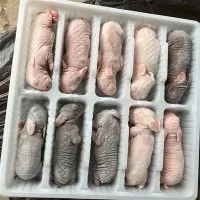
Proper storage of frozen rats is crucial for maintaining their quality and safety, especially when you're a supplier like me. Whether you're catering to pet owners with reptiles or other animals that feed on rodents, or to scientific research facilities, ensuring that your frozen rats are stored correctly can make a significant difference in customer satisfaction and the overall success of your business. In this blog, I'll share some key insights on how to store frozen rats properly.
Temperature Control
The most fundamental aspect of storing frozen rats is maintaining the right temperature. Rats should be stored at a constant temperature of -20°C (-4°F) or lower. This low temperature helps to prevent the growth of bacteria and other microorganisms that can spoil the product and pose a health risk to the animals that will consume them.
I recommend using a high - quality commercial freezer that is specifically designed for long - term storage of food products. These freezers are more reliable in maintaining a consistent temperature compared to regular household freezers. It's also a good idea to invest in a temperature monitoring device. This can be a simple thermometer placed inside the freezer or a more advanced digital monitoring system that can alert you if the temperature deviates from the optimal range.
Packaging
Proper packaging is essential for protecting frozen rats from freezer burn and contamination. I use high - quality, air - tight plastic bags or vacuum - sealed packaging for my frozen rats. Vacuum - sealing is particularly effective as it removes the air from the package, which helps to prevent freezer burn. Freezer burn occurs when the moisture in the meat evaporates and leaves behind dry, discolored patches. This not only affects the appearance of the rats but can also impact their nutritional value.
When packaging the rats, make sure that they are clean and dry before placing them in the bags. Any excess moisture can lead to the formation of ice crystals, which can damage the meat. Label each package clearly with the date of freezing, the size of the rat, and any other relevant information. This helps in inventory management and ensures that you use the oldest stock first.
Organization and Inventory Management
In my freezer, I have a well - organized system for storing frozen rats. I separate them by size and species. For example, I have a section for High White Rat, another for Frozen Pinks Mouse, and yet another for Arctic Mice Frozen Rats. This makes it easier to locate specific products when fulfilling orders.
I also implement a first - in, first - out (FIFO) inventory management system. This means that the rats that were frozen first are the ones that are sold or used first. This helps to ensure that the product has a longer shelf - life and reduces the risk of having expired or spoiled stock. Regularly check your inventory to remove any damaged or expired packages.
Hygiene and Sanitation
Maintaining a clean and hygienic freezer is essential for storing frozen rats. Regularly clean the freezer interior using a mild detergent and warm water. Make sure to remove any ice buildup, as this can affect the freezer's efficiency. After cleaning, dry the freezer thoroughly before restocking it with frozen rats.
It's also important to practice good personal hygiene when handling frozen rats. Wear gloves and wash your hands thoroughly before and after handling the product. This helps to prevent the spread of bacteria and other contaminants.
Transportation
When transporting frozen rats, it's important to keep them at the right temperature. I use insulated shipping containers with dry ice to ensure that the rats remain frozen during transit. Make sure that the shipping containers are well - sealed and that there is enough dry ice to maintain the low temperature throughout the journey. Provide clear instructions to the shipping carrier regarding the proper handling of the frozen product.


Quality Assurance
Regularly conduct quality checks on your frozen rats. Look for signs of freezer burn, discoloration, or any other abnormalities. You can also perform microbiological tests to ensure that the rats are free from harmful bacteria. This helps to maintain the quality of your product and gives your customers peace of mind.
In conclusion, proper storage of frozen rats is a multi - faceted process that involves temperature control, packaging, organization, hygiene, transportation, and quality assurance. By following these guidelines, you can ensure that your frozen rats remain fresh, safe, and of high quality.
If you're interested in purchasing frozen rats for your pets or research needs, I'd be more than happy to discuss your requirements. Feel free to reach out to me for more information and to start a procurement discussion. I'm committed to providing you with the best - quality frozen rats at competitive prices.
References
- "Food Storage and Preservation Handbook" by the National Center for Home Food Preservation
- "Principles of Food Science" by Louis G. Busta and Ronald E. Marshall