



As a supplier of 500 Medium Dubia Roaches, maintaining a clean and mite - free enclosure is crucial for the health and well - being of these insects. Mites can not only harm the roaches but also impact the quality of the product we offer to our customers. In this blog, I'll share some effective strategies to prevent mites in the enclosure of 500 Medium Dubia Roaches.
Understanding the Threat of Mites
Mites are tiny arachnids that can infest the enclosure of Dubia roaches. They thrive in warm, humid environments, which are also ideal conditions for Dubia roaches. Mites can cause a variety of problems for the roaches, such as irritation, stress, and even the spread of diseases. Some mites may feed on the roaches' food, reducing the available nutrition for the roaches. Additionally, a heavy mite infestation can lead to a decrease in the overall population of the roaches, which is a significant concern for us as suppliers.
Maintaining a Clean Enclosure
One of the most important steps in preventing mite infestations is to keep the enclosure clean. Regularly remove any uneaten food, feces, and dead roaches from the enclosure. These organic materials can attract mites and provide them with a breeding ground. I recommend cleaning the enclosure at least once a week. Use a small scoop or tongs to carefully remove the debris. Avoid using harsh chemicals as they can be harmful to the roaches. Instead, opt for a mild soap and water solution to clean the enclosure walls and floors. Rinse thoroughly and allow the enclosure to dry completely before adding the roaches back in.
Another aspect of cleanliness is to provide fresh water regularly. Stagnant water can also attract mites. Use a shallow dish filled with water crystals or a sponge soaked in water. This way, the roaches can access water without creating a large pool that could become a haven for mites.
Controlling Humidity and Temperature
As mentioned earlier, mites prefer warm and humid environments. By controlling the humidity and temperature in the enclosure, we can make it less hospitable for mites. The ideal temperature range for Medium Dubia Roaches is between 80 - 90°F (26 - 32°C), and the humidity should be kept around 40 - 60%.
To regulate the temperature, you can use a heat mat or a heat lamp. Place the heat source on one side of the enclosure to create a temperature gradient, allowing the roaches to move to the area with their preferred temperature. For humidity control, use a hygrometer to monitor the humidity levels. If the humidity is too high, you can increase ventilation by adding small holes in the enclosure or using a small fan. On the other hand, if the humidity is too low, you can mist the enclosure lightly with water.
Quarantining New Roaches
Before adding new roaches to the existing colony of 500 Medium Dubia Roaches, it's essential to quarantine them first. New roaches may carry mites or other pests that could spread to the main colony. Set up a separate quarantine enclosure with similar conditions as the main enclosure. Keep the new roaches in quarantine for at least two weeks. During this time, closely observe them for any signs of mite infestation, such as small moving dots on their bodies or in the enclosure.
If you notice any signs of mites in the quarantine enclosure, treat the affected roaches immediately. There are several natural treatments available, such as diatomaceous earth. Sprinkle a thin layer of food - grade diatomaceous earth in the quarantine enclosure. The sharp edges of the diatomaceous earth will cut through the mites' exoskeletons, causing them to dehydrate and die. However, be careful not to let the roaches inhale the dust, as it can also be harmful to them.
Using Natural Predators
Introducing natural predators of mites can be an effective way to control mite populations in the enclosure. Some small insects, such as predatory mites or springtails, can feed on the harmful mites. These natural predators are harmless to the Dubia roaches. You can purchase them from specialized insect suppliers.
When introducing natural predators, make sure to follow the instructions provided by the supplier. The number of predators you need to introduce will depend on the size of the enclosure and the severity of the mite infestation. Keep in mind that it may take some time for the natural predators to establish themselves and start reducing the mite population.

Choosing the Right Substrate
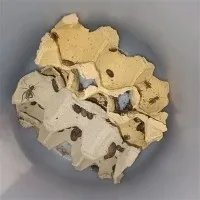
The substrate in the enclosure can also play a role in preventing mite infestations. Avoid using substrates that are prone to mold growth, as mold can attract mites. Good substrate options for Dubia roaches include coconut fiber, paper towel, or egg cartons. These substrates are easy to clean and do not retain moisture for long periods.
Coconut fiber is a popular choice as it provides a natural - looking environment for the roaches. It also has some moisture - absorbing properties, which can help control humidity. Paper towel is a simple and inexpensive option. It can be easily replaced when it gets dirty. Egg cartons not only provide hiding places for the roaches but also help in increasing the surface area in the enclosure, allowing the roaches to spread out and reducing the chances of mite infestations.
Monitoring Regularly
Regular monitoring is key to preventing mite infestations. Check the enclosure daily for any signs of mites, such as small white or brown dots moving around. Look closely at the roaches' bodies, especially around their legs and antennae. If you notice any changes in the roaches' behavior, such as decreased activity or loss of appetite, it could be a sign of a mite infestation.
Keep a record of your observations, including the temperature, humidity, and any signs of pests. This will help you identify any patterns and take appropriate action in a timely manner.
Conclusion
Preventing mites in the enclosure of 500 Medium Dubia Roaches requires a combination of cleanliness, environmental control, and proactive monitoring. By following the strategies outlined in this blog, you can ensure a healthy and mite - free environment for your roaches.
If you're interested in purchasing our Dried Dubia Roaches, Extra Large Dubia Roaches, or Adult Female Dubia, we welcome you to reach out for procurement discussions. We're committed to providing high - quality Dubia roaches and excellent customer service.
References
- Smith, J. (2020). "The Care and Keeping of Dubia Roaches." Insect Care Journal.
- Johnson, A. (2019). "Mite Control in Insect Enclosures." Pest Management Review.
- Brown, C. (2021). "Natural Predators for Mite Management in Insect Colonies." Entomology Today.