



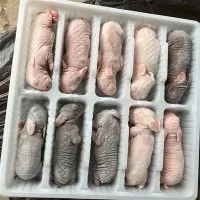
Introducing new food items to your pet's diet can be a delicate process, especially when it comes to specialized products like Frozen Pup Rats. As a supplier of these unique frozen rodents, I understand the concerns and questions that pet owners may have. In this blog post, I'll share some insights on how to safely and effectively introduce Frozen Pup Rats to your pet's diet.
Understanding Your Pet's Dietary Needs
Before introducing any new food, it's crucial to understand your pet's specific dietary requirements. Different species of pets have different nutritional needs, and some may be more adaptable to new foods than others. For example, snakes, lizards, and some birds of prey are natural carnivores and may readily accept Frozen Pup Rats as part of their diet. On the other hand, small mammals like hamsters or guinea pigs have a more herbivorous diet and would not typically consume rodents.
Research your pet's species to determine if Frozen Pup Rats are a suitable food source. Consult with a veterinarian or an experienced pet nutritionist to get professional advice tailored to your pet's age, size, health status, and activity level. They can help you understand the nutritional value of Frozen Pup Rats and how they fit into your pet's overall diet.
Benefits of Frozen Pup Rats
Frozen Pup Rats offer several benefits as a food source for certain pets. Firstly, they are a natural and nutritious option. Pup rats are rich in protein, which is essential for muscle development, growth, and repair in animals. They also contain other important nutrients such as fat, vitamins, and minerals that contribute to your pet's overall health and well - being.
Secondly, using frozen rodents eliminates the risk of live prey injuring your pet. When feeding live rats or mice, there is a chance that the prey may bite or scratch your pet, causing physical harm. Frozen Pup Rats are pre - killed and pose no such threat.
Finally, frozen products are convenient to store and handle. You can keep them in your freezer until you're ready to feed your pet, and they have a relatively long shelf life compared to fresh food.
Preparing to Introduce Frozen Pup Rats
- Gradual Introduction: Just like with any new food, it's best to introduce Frozen Pup Rats gradually. Start by offering a small amount of the frozen rodent to your pet. This allows your pet to get used to the new smell, taste, and texture without overwhelming its digestive system.
- Thawing Properly: Frozen Pup Rats must be thawed before feeding. Place the frozen rodent in a sealed plastic bag and submerge it in warm water. Avoid using a microwave to thaw the rat, as it can heat the food unevenly and create hot spots that may burn your pet's mouth. Thawing should be done slowly to preserve the nutritional value of the food.
- Observation: Keep a close eye on your pet after introducing the new food. Look for any signs of allergic reactions, such as itching, swelling, or difficulty breathing. Also, monitor your pet's eating habits and bowel movements. If you notice any changes or abnormalities, stop feeding the Frozen Pup Rats and consult your veterinarian.
Different Ways to Feed Frozen Pup Rats
- Direct Feeding: For snakes and some lizards, you can use tongs to offer the thawed Frozen Pup Rat directly to your pet. Gently hold the rat near your pet's head and let it strike and consume the food. Make sure to hold the tongs at a safe distance to avoid getting bitten.
- Presentation in a Dish: Some pets may prefer to eat from a dish. Place the thawed Frozen Pup Rat in a shallow dish and put it in your pet's enclosure. This method can be useful for animals that are less aggressive feeders or for those that like to explore their food before eating.
Complementary Foods
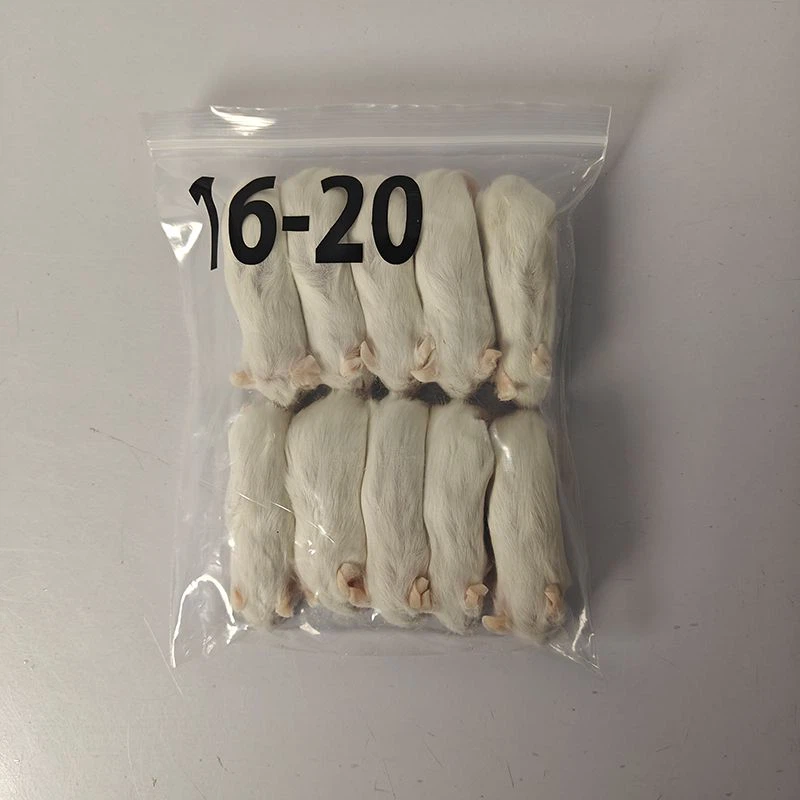
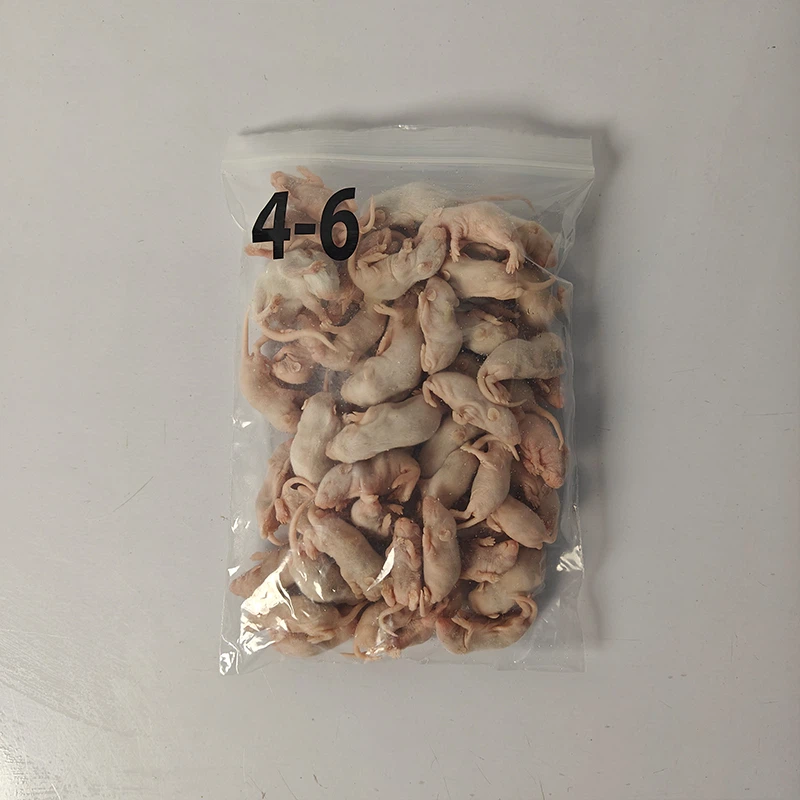
While Frozen Pup Rats can be a significant part of your pet's diet, they should not be the only food source. Consider offering complementary foods to ensure a balanced diet. For example, you can also include Frozen Pinks Mice or Little White Rat to provide variety. Other supplements such as calcium powder or vitamin drops may also be necessary, depending on your pet's species.
Overcoming Challenges
Some pets may be reluctant to accept Frozen Pup Rats at first. If this happens, don't give up too quickly. You can try different methods to entice your pet. For example, you can rub the rat with a small amount of a familiar food to make it more appealing. You can also try changing the presentation of the food or offering it at different times of the day.
If your pet still refuses to eat the Frozen Pup Rats after several attempts, it may be a sign that this food is not suitable for it. In such cases, consult your veterinarian for alternative food options.
Quality Assurance
As a supplier, I take quality assurance very seriously. Our Frozen Pup Rats are sourced from reputable breeders and are carefully processed and stored to ensure their freshness and nutritional value. We follow strict hygiene and safety standards to guarantee that the products we offer are safe for your pets.
Contact for Purchase and Consultation
If you're interested in purchasing Frozen Pup Rats for your pet or have any further questions about introducing them to your pet's diet, I encourage you to reach out. We're here to provide you with the best products and advice to meet your pet's nutritional needs. Whether you're a new pet owner or an experienced enthusiast, we can help you make the right choices for your beloved companion.
References
- "Pet Nutrition Handbook" - A comprehensive guide on pet dietary requirements.
- "Carnivorous Pet Care Manual" - Focuses on the care and feeding of carnivorous pets.
- Scientific studies on the nutritional value of rodents as a food source for pets.