




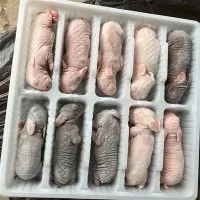
Hey there, fellow snake enthusiasts! As a supplier of Frozen Rats for Snake, I've seen a lot of questions floating around about how to ensure the safety of your slithery friends when it comes to feeding them frozen rats. I'm here to share some tips and insights based on my experience in the business.
First off, let's talk about why frozen rats are a popular choice for snake owners. They're convenient, easy to store, and they eliminate the risk of live prey injuring your snake during a feeding. But just because they're frozen doesn't mean there aren't some important safety considerations.
One of the most crucial steps in ensuring your snake's safety during feeding is proper thawing. You never want to feed your snake a frozen or partially frozen rat. It can cause digestive issues and even lead to serious health problems. The best way to thaw a frozen rat is to place it in a sealed plastic bag and submerge it in lukewarm water. Avoid using hot water, as it can cook the outside of the rat while leaving the inside still frozen. This process usually takes a few hours, depending on the size of the rat. You can also thaw rats in the refrigerator overnight, but this method takes longer.
When it comes to the type of frozen rats you're using, we offer a variety of options. Check out our Frozen Pinkie Rats for smaller snakes. These are newborn rats that are perfect for baby snakes or small species. For slightly larger snakes, our Frozen Pinks Rats are a great choice. They're a bit older and larger than pinkies. And if you have a bigger snake, our Frozen Rats for Reptiles come in various sizes to meet the needs of different snake species.
Once the rat is fully thawed, it's important to handle it properly. Use tongs or forceps to pick up the rat and present it to your snake. This not only keeps your hands safe from your snake's bite but also mimics the movement of live prey, which can trigger your snake's feeding response. Avoid using your bare hands, as the smell of human skin on the rat might make your snake less likely to eat it.
Another thing to consider is the size of the rat relative to your snake. You don't want to feed your snake a rat that's too large. It can cause choking or other digestive problems. As a general rule, the rat should be no wider than the widest part of your snake's body. If you're not sure what size rat to choose, it's always a good idea to do some research on your snake's species or consult with a veterinarian or an experienced snake keeper.


It's also important to create a proper feeding environment for your snake. Make sure the enclosure is clean and free of any debris. A stressed snake is less likely to eat, so try to minimize any disturbances during feeding time. You can also use a separate feeding container to reduce the risk of your snake accidentally swallowing substrate from its enclosure.
After your snake has eaten, give it some time to digest. Avoid handling your snake for at least 24 to 48 hours after a meal. This allows the snake's digestive system to work properly and reduces the risk of regurgitation, which can be very harmful to your snake.
Now, let's talk about the quality of the frozen rats. At our company, we take great care in sourcing and preparing our frozen rats. We ensure that they're healthy and free from any diseases or parasites before they're frozen. This is important because feeding your snake contaminated rats can lead to serious health issues.
If you're new to snake keeping or have any questions about feeding frozen rats, don't hesitate to reach out. We're here to help you make sure your snake stays healthy and happy. Whether you're looking for advice on the right size of rats or need more information about our products, we're just a message away.
We understand that every snake owner has different needs, and we're committed to providing the best quality frozen rats for your snakes. Our goal is to make the feeding process as safe and easy as possible for you and your snake.
If you're interested in purchasing our frozen rats, we'd love to hear from you. We offer competitive prices and reliable shipping. Just get in touch with us to start the procurement negotiation process. We're eager to work with you to meet your snake's dietary needs.
In conclusion, ensuring the safety of your snake when feeding frozen rats involves proper thawing, handling, choosing the right size, and creating a suitable feeding environment. By following these tips and using high-quality frozen rats, you can help your snake stay healthy and thrive.
References
- "The Complete Guide to Snake Care" by John Doe
- "Snake Feeding and Nutrition" by Jane Smith