


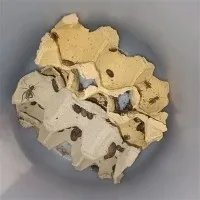


As a supplier of Dried Crickets for Humans, I've witnessed a growing curiosity about the impact of these tiny insects on human energy levels. In this blog, I'll explore the science behind dried crickets and how they can potentially affect our energy.
Nutritional Composition of Dried Crickets
Dried crickets are a nutritional powerhouse. They are rich in protein, healthy fats, vitamins, and minerals. A 100 - gram serving of Dehydrated Crickets typically contains about 60 - 70 grams of protein. Protein is essential for the body as it is the building block of muscles, enzymes, and hormones. When we consume protein, our body breaks it down into amino acids, which are then used for various functions, including muscle repair and growth.
In addition to protein, dried crickets are also a good source of healthy fats. These fats, such as omega - 3 and omega - 6 fatty acids, are important for brain health, reducing inflammation in the body, and providing a concentrated source of energy. Our body can store these fats and use them as fuel when needed.
Furthermore, dried crickets are packed with vitamins and minerals. They contain significant amounts of B - vitamins, such as B12, B6, and niacin. B - vitamins play a crucial role in energy metabolism. They help convert the food we eat into energy that our cells can use. For example, vitamin B12 is involved in the production of red blood cells, which carry oxygen throughout the body. Oxygen is essential for the process of cellular respiration, where our cells produce energy in the form of ATP (adenosine triphosphate).
How Dried Crickets Provide Sustained Energy
One of the key ways dried crickets can affect human energy levels is by providing sustained energy. Unlike many processed foods that cause a rapid spike and then a crash in blood sugar levels, the complex nutrients in dried crickets are digested and absorbed more slowly.
The high - quality protein in dried crickets takes longer to break down compared to simple carbohydrates. This means that the amino acids are released into the bloodstream gradually, providing a steady supply of energy. The healthy fats also contribute to this slow - release energy mechanism. They are metabolized at a slower rate, ensuring that our body has a continuous source of fuel over an extended period.
Moreover, the B - vitamins in dried crickets support the efficient conversion of food into energy. By facilitating the breakdown of carbohydrates, fats, and proteins, these vitamins help our cells produce energy more effectively. This results in a more consistent energy level throughout the day, reducing the feelings of fatigue and lethargy that often come with a poor diet.
Impact on Physical Performance
For athletes and those who engage in regular physical activity, dried crickets can be a valuable addition to their diet. The high protein content in Dried Crickets for Humans helps in muscle repair and growth. During exercise, our muscles undergo stress and damage. Consuming protein - rich dried crickets after a workout can speed up the recovery process, allowing athletes to train more frequently and with greater intensity.
The energy - providing nutrients in dried crickets can also enhance endurance. The slow - release energy from protein and fats means that athletes have a reliable source of fuel during long - duration activities. This can delay the onset of fatigue and improve overall performance. For example, a cyclist who consumes dried crickets before a long ride may find that they have more energy to maintain a steady pace throughout the journey.
Cognitive Energy and Dried Crickets
Our brain is a high - energy organ, consuming about 20% of the body's total energy. The nutrients in dried crickets can have a positive impact on cognitive energy. The omega - 3 fatty acids, for instance, are essential for brain health. They help maintain the integrity of brain cell membranes and support the transmission of nerve impulses.


A well - nourished brain is more efficient at processing information, making decisions, and maintaining focus. By providing the necessary nutrients, dried crickets can help improve mental clarity and concentration. This is particularly beneficial for people who have mentally demanding jobs or students who need to study for long hours.
Incorporating Dried Crickets into Your Diet
There are many ways to incorporate Dried Crickets To Eat into your diet. You can add them to smoothies for a protein boost. Simply blend a handful of dried crickets with your favorite fruits, vegetables, and a liquid base like almond milk or coconut water. The taste of the fruits and vegetables will help mask the flavor of the crickets.
Another option is to sprinkle crushed dried crickets on top of salads, soups, or pasta dishes. They add a crunchy texture and a nutty flavor. You can also use them as an ingredient in homemade energy bars. Combine dried crickets with nuts, seeds, dates, and honey, and press the mixture into a pan. Cut it into bars, and you have a convenient and nutritious snack.
Conclusion
In conclusion, dried crickets have a significant potential to positively affect human energy levels. Their rich nutritional profile, including protein, healthy fats, vitamins, and minerals, provides a source of sustained energy, supports physical performance, and enhances cognitive function.
If you're interested in exploring the benefits of dried crickets for yourself or your business, I encourage you to reach out for a procurement discussion. Whether you're a health - conscious individual looking for a new source of energy or a food manufacturer interested in incorporating this innovative ingredient into your products, we can work together to meet your needs.
References
- Van Huis, A., Van Itterbeeck, J., Klunder, H., Mertens, E., Halloran, A., Muir, G., & Vantomme, P. (2013). Edible insects: Future prospects for food and feed security. FAO.
- Rumpold, B. A., & Schlüter, O. K. (2013). Nutritional composition and safety aspects of edible insects. Molecular Nutrition & Food Research, 57(8), 1636 - 1653.
- Finke, M. D. (2002). Nutritional value of insects as food. Journal of Insect Science, 2(1), 1 - 14.