



Adult female Dubia roaches, scientifically known as Blaptica dubia, are fascinating critters, especially when it comes to how they safeguard their eggs. As a supplier of adult female Dubia roaches, I've had the chance to observe these amazing insects up close and learn a great deal about their unique egg - protecting behaviors.


The Egg Case: Ootheca
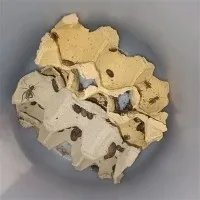
First off, let's talk about the ootheca. When an adult female Dubia roach is ready to lay eggs, she produces a special structure called an ootheca. This is like a tough, protective case that holds all her eggs. It's made of a protein - based substance that's pretty durable. The ootheca not only shields the eggs from physical damage but also helps to keep them at a relatively stable humidity level.
The female Dubia roach doesn't just drop the ootheca anywhere. She keeps it attached to her body for a significant amount of time. In fact, she'll carry it around for about 28 days. This is a crucial period because it allows her to have direct control over the environment that the eggs are in. She can move around to find the right temperature and humidity, ensuring that the eggs have the best chance of survival.
Temperature and Humidity Control
Temperature and humidity are super important for the development of Dubia roach eggs. Adult female Dubia roaches seem to have an innate sense of what's best for their eggs. They'll seek out areas that are warm and humid. For Dubia roach eggs, an ideal temperature range is between 80 - 90°F (26 - 32°C), and a humidity level of around 40 - 60%.
In the wild, they might look for places under logs or in leaf litter, where the temperature is more stable and there's some moisture. As a supplier, I've seen that in a captive environment, they'll do the same kind of thing. If you're keeping these roaches, you need to make sure the enclosure has the right temperature and humidity. A heat mat can help with temperature control, and a light misting of water can maintain the humidity.
Defense Against Predators
Dubia roach eggs face many threats from predators. Small insects, spiders, and even some other roach species might see these eggs as a delicious snack. Adult female Dubia roaches are quite good at defending their precious ootheca.
When they sense a threat, they'll use their strong legs to quickly maneuver and try to get away from danger. Their dark brown or black exoskeletons also provide some camouflage in many natural settings. If a predator gets too close, the female can use her mandibles to give a little nip, which is often enough to scare off smaller predators.
In a captive environment, it's important to keep the enclosure free of other insects or animals that might harm the eggs. A well - sealed container can go a long way in protecting the adult females and their eggs from unwanted predators.
Maternal Instincts and Egg Placement
Once it's close to the time for the eggs to hatch, the female Dubia roach will find a safe place to deposit the ootheca. She'll look for a spot that's hidden and protected, where the newly hatched nymphs will have a good start in life.
In nature, this could be inside a crack in a piece of wood or beneath a thick layer of leaves. In a captive setting, if you provide some hiding places like small cardboard tubes or pieces of bark, the female will use these as potential egg - laying sites. This shows that even in an artificial environment, their natural instincts for protecting the eggs are still very strong.
Our Offerings
If you're interested in getting your hands on Dubia roaches, we've got some great options for you. We offer 500 Medium Dubia Roaches, which are perfect for starting a small colony. These roaches are healthy and well - cared for, and they'll quickly start reproducing if you provide the right environment.
For those who need a larger supply, we have 1000 Dubia Roaches. This is a great choice for people who have multiple reptiles or other insect - eating animals to feed. And if you're looking for a more convenient option, we also offer Dried Dubia Roaches. They're easy to store and can be a great addition to your pet's diet.
Contact Us for Purchasing
If you're thinking about getting some adult female Dubia roaches or any of our other products, we're here to help. Whether you're new to the world of Dubia roaches or a seasoned pro, we can answer all your questions and set you up with the best supply for your needs. Don't hesitate to reach out if you want to discuss purchasing options or if you have any concerns about how to care for these amazing insects.
References
- Bell, W. J., Roth, L. M., & Nalepa, C. A. (2007). Cockroaches: Ecology, Behavior, and Natural History. Johns Hopkins University Press.
- Tortora, G. J., & Derrickson, B. H. (2017). Principles of Anatomy and Physiology. Wiley.