



In recent years, the idea of incorporating insects into human diets has gained significant traction, primarily due to their high nutritional value and low environmental impact. Among these insects, dried crickets have emerged as a popular choice for those looking to diversify their protein sources. As a leading supplier of dried crickets for human consumption, I'm excited to share the detailed process of how these tiny powerhouses are transformed from living creatures into a delicious and nutritious food item.
Cricket Farming
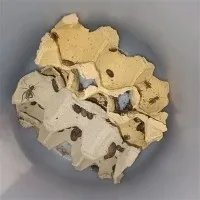
The journey of dried crickets begins on specialized farms. These farms are designed to provide an optimal environment for cricket growth and development. Crickets are cold - blooded insects, so maintaining a stable temperature between 25 - 30 degrees Celsius is crucial. They are usually housed in large, well - ventilated containers with appropriate substrates like egg cartons, which offer hiding places and increase the available surface area for the crickets.
The diet of farmed crickets is carefully formulated. It typically consists of a mix of grains, vegetables, and fruits. This balanced diet ensures that the crickets are not only healthy but also rich in nutrients such as protein, vitamins, and minerals. For example, they are high in calcium, iron, and B - vitamins, making them an excellent addition to a human diet.
Harvesting
Once the crickets reach the appropriate size, usually around 4 - 6 weeks old, it's time for harvesting. There are several methods for harvesting crickets. One common approach is to use a vacuum system. A gentle vacuum is used to suck the crickets into a collection container. This method is efficient and causes minimal stress to the crickets.
Another method involves cooling the cricket containers. Since crickets are cold - blooded, lowering the temperature to around 4 - 10 degrees Celsius slows them down significantly. This makes it easier to collect them manually or with a simple scoop.
Pre - processing
After harvesting, the crickets need to go through pre - processing steps to ensure their safety and quality for human consumption. The first step is cleaning. The crickets are washed thoroughly to remove any dirt, debris, or feces. This is usually done using clean, potable water in a large, stainless - steel tank. The water is agitated gently to ensure that all the crickets are cleaned properly.
Next, the crickets are blanched. Blanching involves briefly immersing the crickets in boiling water for about 1 - 2 minutes. This process serves multiple purposes. It helps to kill any remaining bacteria or parasites on the crickets, stops enzymatic activity that could lead to spoilage, and also makes it easier to remove the outer exoskeleton later if desired.
Drying
Drying is a critical step in the process of making dried crickets. There are several methods available, each with its own advantages.
Sun Drying
Sun drying is one of the oldest and simplest methods. The cleaned and blanched crickets are spread out on clean trays and placed in direct sunlight. The heat from the sun gradually evaporates the moisture from the crickets. However, this method has some limitations. It is highly dependent on weather conditions, and there is a risk of contamination from dust, insects, or birds. Also, it can take several days to fully dry the crickets, which may increase the risk of spoilage.
Oven Drying
Oven drying is a more controlled method. The crickets are placed in an oven at a low temperature, usually around 50 - 60 degrees Celsius. The low temperature ensures that the crickets dry slowly without burning or losing their nutritional value. This method typically takes 6 - 8 hours, depending on the size and quantity of the crickets.
Freeze Drying
Freeze drying is the most advanced and preferred method for high - quality dried crickets. In this process, the crickets are first frozen at extremely low temperatures, usually around - 40 degrees Celsius. Then, the frozen crickets are placed in a vacuum chamber. The low pressure in the chamber causes the ice in the crickets to sublimate directly from a solid to a gas, without passing through the liquid phase. This method preserves the shape, color, and nutritional value of the crickets to a great extent. Freeze - dried crickets have a longer shelf - life and a lighter, crunchier texture compared to those dried by other methods.
Packaging
Once the crickets are fully dried, they are ready for packaging. Packaging is essential to protect the dried crickets from moisture, oxygen, and light, which can all lead to spoilage.
For retail products, the dried crickets are often packaged in air - tight, resealable bags. These bags are usually made of materials such as laminated plastic or foil, which provide a good barrier against external factors. The packaging also includes labels with information about the product, such as the ingredients, nutritional facts, and instructions for use.
For bulk orders, the dried crickets are typically packed in large, food - grade containers. These containers are sealed tightly and stored in a cool, dry place until they are shipped to the customers.
Quality Control
Throughout the entire process, strict quality control measures are in place. At the farm level, regular checks are conducted to ensure that the crickets are healthy and free from diseases. During the processing stages, samples are taken at various intervals to test for moisture content, microbial contamination, and nutritional value.


Only the highest - quality dried crickets that meet all the safety and quality standards are approved for sale. This ensures that our customers receive a product that is not only delicious but also safe and nutritious.
Applications of Dried Crickets
Dried crickets can be used in a variety of ways. They can be eaten as a snack on their own, similar to nuts or chips. They have a unique, nutty flavor that many people enjoy.
Dried crickets can also be ground into a powder and used as an ingredient in other food products. For example, cricket powder can be added to smoothies, protein bars, or baked goods to increase their protein content. It can also be used as a seasoning in soups, stews, or sauces.
In addition to human consumption, dried crickets have other applications. For those interested in pet food, you can check out Dried Crickets for Turtles, Feeding Leopard Gecko Freeze Dried Crickets, and Dried Crickets for Bearded Dragon.
Contact for Procurement
If you are interested in purchasing our high - quality dried crickets for human consumption, whether for retail or bulk orders, we would love to hear from you. We offer competitive prices, excellent customer service, and the assurance of a top - notch product. Please reach out to us to start a discussion about your procurement needs.
References
- van Huis, A., van Itterbeeck, J., Klunder, H., Mertens, E., Halloran, A., Muir, G., & Vantomme, P. (2013). Edible insects: future prospects for food and feed security. FAO.
- Oonincx, D. G. A. B., & de Boer, I. J. M. (2012). Environmental impact of the production of mealworms as a protein source for humans - a life cycle assessment. PLoS One, 7(12), e51145.