




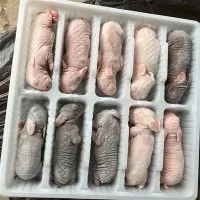
When it comes to feeding snakes, frozen rats are a common and convenient choice for many snake owners. As a supplier of Frozen Rats for Snake, I often receive questions from customers about the proper handling of these frozen rodents. One frequently asked question is, "Do I need to use gloves when handling frozen rats for snakes?" In this blog post, I'll explore this topic in detail, providing you with the information you need to make an informed decision.
The Case for Using Gloves
Hygiene and Health
One of the primary reasons to use gloves when handling frozen rats for snakes is hygiene. Frozen rats can carry various pathogens, including bacteria, viruses, and parasites. These microorganisms can pose a risk to human health if they come into contact with your skin, especially if you have any cuts or abrasions. By wearing gloves, you create a barrier between your hands and the potentially harmful substances on the rats, reducing the risk of infection.
For example, Salmonella is a common bacterium found in rodents, and it can cause food poisoning in humans. Symptoms of Salmonella infection include diarrhea, fever, and abdominal cramps. Wearing gloves can help prevent the transfer of Salmonella from the frozen rats to your hands and then to your mouth or other parts of your body.
Odor and Residue
Frozen rats can have a strong odor, and handling them without gloves can leave a lingering smell on your hands. Additionally, the rats may have a layer of ice or frost on their surface, which can transfer to your hands and leave a sticky residue. Gloves can help keep your hands clean and odor-free, making the handling process more pleasant.
Protection from Sharp Objects
Frozen rats may have sharp teeth, claws, or bones that can cause cuts or punctures if you handle them without proper protection. Gloves can provide a layer of protection against these sharp objects, reducing the risk of injury.
Situations Where Gloves May Not Be Necessary
Short-Term Handling
If you're only handling the frozen rats for a short period of time, such as quickly transferring them from the freezer to a thawing container, you may not need to wear gloves. However, it's still important to wash your hands thoroughly with soap and water after handling the rats to remove any potential contaminants.
Low-Risk Environments
In some cases, the risk of contamination may be relatively low. For example, if you're handling frozen rats that have been properly stored and are from a reputable supplier, the likelihood of them carrying harmful pathogens may be reduced. However, it's still a good practice to wear gloves to minimize the risk.
Types of Gloves to Use
Disposable Gloves
Disposable gloves, such as latex or nitrile gloves, are a popular choice for handling frozen rats. They are inexpensive, easy to use, and can be discarded after each use, reducing the risk of cross-contamination. Latex gloves are a good option for those who are not allergic to latex, as they provide a good fit and dexterity. Nitrile gloves are a suitable alternative for people with latex allergies, as they are made from a synthetic material and offer similar protection.
Reusable Gloves
Reusable gloves, such as rubber or vinyl gloves, can also be used for handling frozen rats. They are more durable than disposable gloves and can be washed and reused multiple times. However, it's important to clean and disinfect reusable gloves thoroughly after each use to prevent the buildup of bacteria and other contaminants.
Best Practices for Handling Frozen Rats
Thawing the Rats Properly
Before feeding the frozen rats to your snakes, it's important to thaw them properly. Thawing the rats in the refrigerator is the safest method, as it allows the rats to thaw slowly and evenly, reducing the risk of bacterial growth. It typically takes 24 to 48 hours for a frozen rat to thaw in the refrigerator, depending on its size.
Alternatively, you can thaw the rats in a sealed plastic bag in warm water. However, it's important to make sure the water is not too hot, as this can cook the rats and make them less appealing to your snakes. It's also important to change the water regularly to keep it at a consistent temperature.
Using a Thawing Container
When thawing the frozen rats, it's a good idea to use a dedicated thawing container. This can help prevent the rats from coming into contact with other food items in the refrigerator or freezer, reducing the risk of cross-contamination. The thawing container should be made of a non-porous material, such as plastic or glass, and should be easy to clean.


Washing Your Hands
Regardless of whether you wear gloves or not, it's important to wash your hands thoroughly with soap and water after handling frozen rats. This can help remove any potential contaminants from your hands and prevent the spread of disease.
Importance of Quality Frozen Rats
As a supplier of Frozen Rats for Snake, I understand the importance of providing high-quality frozen rats to my customers. Our Arctic Mice Frozen Rats and Frozen Pinks Rats are sourced from reputable breeders and are carefully processed and stored to ensure their freshness and quality.
We take several measures to ensure the safety and quality of our frozen rats. Our rats are raised in a clean and controlled environment, and they are fed a balanced diet to ensure their health and well-being. Before freezing, the rats are inspected to ensure they are free from any signs of disease or injury.
Once the rats are frozen, they are stored in a freezer at a temperature of -20°C (-4°F) or below to maintain their quality. We also use high-quality packaging materials to protect the rats from freezer burn and other damage.
Conclusion
In conclusion, while it may not always be necessary to wear gloves when handling frozen rats for snakes, it's generally a good practice to do so. Gloves can provide a layer of protection against pathogens, odor, and sharp objects, making the handling process safer and more pleasant. However, if you choose not to wear gloves, it's important to wash your hands thoroughly after handling the rats to remove any potential contaminants.
As a supplier of Frozen Rats for Snake, I'm committed to providing my customers with high-quality frozen rats and the information they need to care for their snakes properly. If you have any questions about handling frozen rats or other aspects of snake care, please don't hesitate to contact me. I'm here to help you make the best decisions for your snakes' health and well-being.
If you're interested in purchasing high-quality frozen rats for your snakes, I invite you to explore our product range. We offer a variety of sizes and types of frozen rats to meet the needs of different snake species. Contact us today to discuss your requirements and start a procurement negotiation.
References
- Centers for Disease Control and Prevention (CDC). (2023). Salmonella. Retrieved from [CDC website]
- National Institute for Occupational Safety and Health (NIOSH). (2023). Personal Protective Equipment. Retrieved from [NIOSH website]
- Reptile Magazine. (2023). Feeding Your Snake Frozen/Thawed Prey. Retrieved from [Reptile Magazine website]