



As a supplier of frozen rats for reptiles, I often encounter questions from reptile owners regarding the proper way to prepare these frozen rodents for their scaly companions. One of the most frequently asked questions is whether frozen rats for reptiles need to be defrosted in water. In this blog post, I will delve into this topic, exploring the science behind defrosting methods, the pros and cons of using water for defrosting, and providing recommendations based on industry best practices.
The Importance of Proper Defrosting
Before we discuss the defrosting methods, it's crucial to understand why proper defrosting is essential for the health and well - being of your reptiles. Reptiles, especially snakes, rely on their sense of smell to detect prey. When a frozen rat is defrosted correctly, it releases the natural scents that trigger the reptile's hunting instincts. Additionally, defrosting ensures that the rat is at an appropriate temperature for the reptile to consume, reducing the risk of digestive issues.
Defrosting in Water: The Mechanics
Defrosting frozen rats in water is a popular method among reptile owners. The process involves placing the frozen rat in a sealed plastic bag and submerging it in lukewarm water. The water transfers heat to the rat more efficiently than air, speeding up the defrosting process. The lukewarm temperature is important because hot water can cook the outer layers of the rat, while cold water will take too long to defrost.
Advantages of Defrosting in Water
- Faster Defrosting Time: Water is a better conductor of heat than air. This means that a frozen rat will defrost much quicker in water compared to leaving it at room temperature. For busy reptile owners, this can be a significant advantage, especially if they need to feed their reptiles on a tight schedule.
- Uniform Defrosting: When a rat is defrosted in water, the heat is distributed more evenly throughout the body. This reduces the risk of having cold spots inside the rat, ensuring that the entire prey item is at a suitable temperature for the reptile.
Disadvantages of Defrosting in Water
- Bacterial Growth: If the water is not changed regularly or if the temperature is too high, it can create an ideal environment for bacteria to grow. Bacteria can multiply rapidly in warm, moist conditions, and if the defrosted rat is contaminated, it can pose a health risk to the reptile.
- Loss of Nutrients: Prolonged exposure to water can cause some of the nutrients in the rat to leach out. While this may not be a significant concern in the short term, over time, it could potentially affect the nutritional value of the prey item.
Alternative Defrosting Methods
- Room Temperature Defrosting: This is the simplest method. You simply place the frozen rat on a plate and let it defrost at room temperature. However, this method is the slowest, and it may take several hours for the rat to defrost completely.
- Using a Defrosting Tray: Defrosting trays are designed to speed up the defrosting process. They work by conducting heat from the surface of the tray to the frozen item. While they are more efficient than defrosting at room temperature, they are not as fast as defrosting in water.
Our Product Range
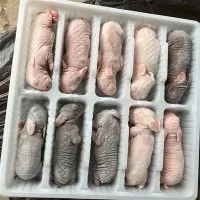
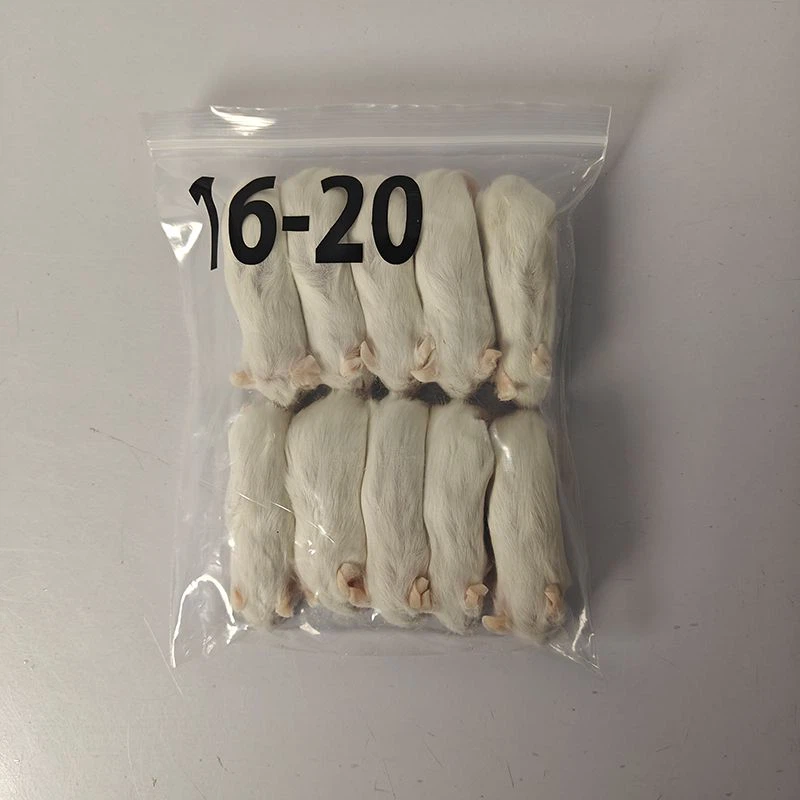
At our company, we offer a wide range of frozen rodents for reptiles. Our Arctic Mice Frozen Rats are carefully selected and frozen at the peak of freshness to ensure maximum nutritional value for your reptiles. We also have Small Frozen Rats for Snakes, which are perfect for smaller snake species. And for those with younger or smaller reptiles, our Frozen Pinks Mice are an excellent choice.
Recommendations for Defrosting
Based on our experience and industry knowledge, we recommend the following:
- If you choose to defrost in water, use lukewarm water (around 25 - 30°C) and change the water every 15 - 20 minutes to prevent bacterial growth.
- Do not leave the rat in the water for longer than necessary. Once it is defrosted, remove it from the water immediately.
- If you have the time, defrosting at room temperature is a safe and simple method. Just make sure to place the rat in a clean area and monitor the defrosting process.
Contact for Procurement
If you are interested in purchasing our high - quality frozen rats for your reptiles, we encourage you to contact us for a procurement discussion. We can provide you with detailed information about our products, pricing, and delivery options. Our team is dedicated to providing the best service to our customers and ensuring that your reptiles receive the nutrition they need.

References
- Beynon, P., & Hurst, J. L. (2003). Mammalian semiochemistry: the scent of success. Philosophical Transactions of the Royal Society B: Biological Sciences, 358(1430), 1619 - 1627.
- Frye, F. L. (1991). Biomedical and surgical aspects of captive reptile husbandry. Krieger Publishing Company.
- Mitchell, M. A., & Tully, T. N. (2008). Manual of Exotic Pet Practice. Elsevier Health Sciences.