




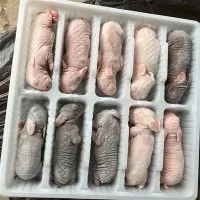
As a seasoned supplier of frozen jumbo rats, I've encountered numerous inquiries regarding the special storage requirements for these products. In this blog post, I'll delve into the scientific aspects of storing frozen jumbo rats, drawing on my years of experience in the industry.
The Importance of Proper Storage
Frozen jumbo rats are primarily used as food for reptiles, such as snakes and large lizards. Ensuring their proper storage is crucial for maintaining their nutritional value, preventing spoilage, and safeguarding the health of the reptiles that consume them. Improper storage can lead to the growth of harmful bacteria, the degradation of nutrients, and a decrease in the overall quality of the product.
Temperature Requirements
The most critical factor in storing frozen jumbo rats is temperature. These products should be kept at a consistent temperature of -20°C (-4°F) or lower. At this temperature, the growth of bacteria and other microorganisms is significantly slowed down, preserving the quality of the rats for an extended period.
It's essential to use a reliable freezer with a temperature control system to maintain the appropriate temperature. Regularly monitor the freezer temperature using a thermometer to ensure it remains within the recommended range. Fluctuations in temperature can cause the rats to partially thaw and refreeze, which can lead to the formation of ice crystals and damage the tissue, reducing the quality of the product.
Packaging
Proper packaging is another important aspect of storing frozen jumbo rats. The rats should be individually wrapped in airtight packaging to prevent freezer burn and the absorption of odors from other items in the freezer. Vacuum-sealed bags are an excellent option as they remove the air from the package, reducing the risk of oxidation and freezer burn.


Label each package with the date of freezing and the size of the rat. This information will help you keep track of the inventory and ensure that you use the oldest rats first, following the first-in, first-out (FIFO) principle.
Storage Conditions
In addition to temperature and packaging, the storage conditions of the freezer also play a role in maintaining the quality of the frozen jumbo rats. The freezer should be clean and well-maintained to prevent the growth of mold and bacteria. Regularly defrost the freezer to remove any ice buildup, which can affect the efficiency of the cooling system.
Avoid overcrowding the freezer, as this can impede air circulation and lead to uneven cooling. Leave enough space between the packages to allow the cold air to circulate freely.
Shelf Life
When stored at the recommended temperature of -20°C (-4°F) or lower, frozen jumbo rats can have a shelf life of up to 12 months. However, it's important to note that the quality of the product may gradually decline over time. For the best results, use the rats within 6 to 8 months of freezing.
Special Considerations
If you're storing a large quantity of frozen jumbo rats, you may want to consider using a commercial freezer or a cold storage facility. These options offer more space and better temperature control than a standard household freezer.
When transporting frozen jumbo rats, use insulated containers and ice packs to maintain the temperature. Avoid leaving the rats in a hot car or in direct sunlight, as this can cause them to thaw.
Conclusion
In conclusion, frozen jumbo rats do have special storage requirements to ensure their quality and safety. By maintaining a consistent temperature of -20°C (-4°F) or lower, using proper packaging, and following good storage practices, you can extend the shelf life of the rats and provide a high-quality product for your reptile customers.
If you're interested in purchasing frozen jumbo rats for your reptiles, we invite you to explore our product range. We offer a variety of sizes and quantities to meet your needs. You can find more information about our Frozen Rats for Reptiles, Small Frozen Rats for Snakes, and Arctic Mice Frozen Rats on our website.
We're always happy to answer any questions you may have and discuss your specific requirements. Contact us today to start a conversation about your frozen rat needs.
References
- "Storage and Handling of Frozen Rodents for Reptile Feeding." Reptiles Magazine.
- "Best Practices for Storing Frozen Food." Food Safety and Inspection Service, United States Department of Agriculture.