


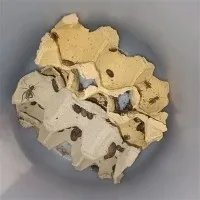


Do Blaptica dubia need water? This is a question that often pops up among hobbyists and reptile owners who rely on these insects as a staple food source. As a supplier of Blaptica dubia, I've encountered this query numerous times, and in this blog post, I'll delve into the scientific facts and practical considerations surrounding the water requirements of Blaptica dubia.
The Natural Habitat and Adaptations of Blaptica dubia
Blaptica dubia, commonly known as Dubia roaches, are native to Central and South America. In their natural habitat, these roaches thrive in warm and humid environments, such as tropical forests and savannas. Over time, they have developed certain adaptations to survive in these conditions, which have a direct bearing on their water needs.
One of the key adaptations of Blaptica dubia is their ability to conserve water. Their exoskeleton is covered with a waxy layer that helps prevent water loss through evaporation. Additionally, they have efficient metabolic processes that allow them to extract and utilize water from the food they consume. These adaptations enable them to survive in environments where water may not be readily available at all times.
Water Sources for Blaptica dubia
In the wild, Blaptica dubia obtain water from various sources. They consume moisture-rich foods such as fruits, vegetables, and decaying plant matter. These food items not only provide them with essential nutrients but also supply a significant amount of water. Additionally, they may drink dew or rainwater that accumulates on leaves or other surfaces.
In a captive setting, it's important to replicate these natural water sources as closely as possible. Providing a diet that is rich in moisture is crucial for the health and well-being of Blaptica dubia. Fruits like apples, bananas, and oranges, as well as vegetables like carrots, cucumbers, and leafy greens, are excellent choices. These foods not only provide water but also offer a variety of vitamins and minerals that are essential for the roaches' growth and development.
Do Blaptica dubia Need a Water Dish?
The question of whether Blaptica dubia need a water dish is a matter of debate among enthusiasts. Some argue that providing a water dish is unnecessary, as the roaches can obtain all the water they need from their food. Others believe that a water dish can be beneficial, especially in dry environments or when the roaches are not getting enough moisture from their diet.
There are several factors to consider when deciding whether to provide a water dish for Blaptica dubia. One of the main concerns is the risk of drowning. Dubia roaches are not strong swimmers, and they can easily drown in a water dish if it is too deep or does not have a way for them to climb out. To mitigate this risk, it's important to use a shallow dish and add some rocks or paper towels to provide a surface for the roaches to grip onto.
Another factor to consider is the potential for mold and bacteria growth in the water dish. Standing water can quickly become a breeding ground for harmful microorganisms, which can pose a health risk to the roaches. To prevent this, it's important to change the water in the dish regularly and clean it thoroughly to remove any debris or contaminants.
In my experience, providing a water dish is not essential for Blaptica dubia as long as they are being fed a diet that is rich in moisture. However, if you live in a dry climate or notice that the roaches are showing signs of dehydration, such as lethargy or a dull exoskeleton, then providing a water dish may be beneficial. Just be sure to take the necessary precautions to ensure the safety and health of the roaches.
The Importance of Water for Blaptica dubia
Water is essential for the survival and well-being of all living organisms, and Blaptica dubia are no exception. Water plays a crucial role in many physiological processes, including digestion, respiration, and temperature regulation. Without an adequate supply of water, the roaches can become dehydrated, which can lead to a variety of health problems.
Dehydration can cause the roaches to become weak and lethargic, and it can also affect their ability to reproduce. In severe cases, dehydration can even be fatal. Therefore, it's important to ensure that the roaches have access to a sufficient amount of water at all times.
In addition to its physiological functions, water also plays a role in the overall quality of the Blaptica dubia as a food source. When the roaches are well-hydrated, they are more nutritious and easier to digest for the reptiles and other animals that consume them. This can have a positive impact on the health and growth of the animals.
Practical Tips for Providing Water to Blaptica dubia
If you decide to provide a water dish for your Blaptica dubia, here are some practical tips to keep in mind:


- Use a shallow dish: As mentioned earlier, Dubia roaches are not strong swimmers, so it's important to use a shallow dish to prevent them from drowning. A small saucer or a lid from a jar works well.
- Add a substrate: To provide a surface for the roaches to grip onto, add some rocks, paper towels, or a piece of sponge to the water dish. This will help prevent them from slipping and drowning.
- Change the water regularly: Standing water can quickly become a breeding ground for mold and bacteria, so it's important to change the water in the dish at least once a day. This will help keep the water clean and fresh for the roaches.
- Monitor the water level: Check the water dish regularly to make sure that there is enough water available for the roaches. If the water level is low, add more water to the dish.
Conclusion
In conclusion, Blaptica dubia do need water to survive and thrive. While they have adaptations that allow them to conserve water and obtain it from their food, providing a water source can be beneficial, especially in certain circumstances. Whether you choose to provide a water dish or rely on a moisture-rich diet, it's important to ensure that the roaches have access to a sufficient amount of water at all times.
As a supplier of Blaptica dubia, I'm committed to providing high-quality insects that are healthy and well-nourished. If you're interested in purchasing Blaptica dubia for your reptiles or other animals, I invite you to check out our selection of 500 Medium Dubia Roaches, Dubia Roaches for Lizards, and Dubia Roaches for Reptiles. We offer a variety of sizes and quantities to meet your needs, and we guarantee the quality and freshness of our products.
If you have any questions or would like to discuss your specific requirements, please don't hesitate to contact us. We're here to help you provide the best possible care for your animals.
References
- Horn, D. J., & Waddill, P. V. (1970). Biology of the cockroach Blaberus discoidalis (Dictyoptera: Blaberidae). Annals of the Entomological Society of America, 63(6), 1572-1578.
- Nation, J. L. (2002). Insect Physiology and Biochemistry. CRC Press.
- Schal, C., & Bell, W. J. (1982). Water balance in the cockroach Blattella germanica: effects of diet and environmental humidity. Journal of Insect Physiology, 28(7), 547-553.