




Hey there! I'm a supplier of frozen rats, and I often get asked this question: "Can I use frozen rats in a wildlife sanctuary?" It's a topic that's not only interesting but also quite crucial for the well - being of the animals in these sanctuaries. So, let's dig into it.
First off, we need to understand what wildlife sanctuaries are all about. A wildlife sanctuary is a place where wild animals are protected and cared for. These places aim to provide a natural and safe environment for animals that might have been injured, orphaned, or displaced. The animals here can range from small rodents to large birds of prey and even some carnivorous mammals.
Now, why would anyone think about using frozen rats in a wildlife sanctuary? Well, many of the predators in these sanctuaries, like snakes, owls, and some wild cats, have a diet that includes rodents in the wild. In a captive setting, providing a natural - like diet is essential for their health. Frozen rats can be a convenient and safe option to mimic their natural prey.
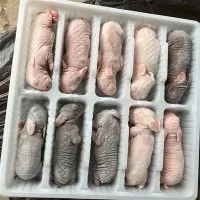
One of the main advantages of using frozen rats is the safety aspect. Wild - caught rodents can carry all sorts of diseases and parasites. These can be harmful, or even fatal, to the animals in the sanctuary. When we freeze the rats, we can kill off a lot of these potential threats. Plus, as a supplier, we take strict quality control measures. We ensure that the Frozen Pup Rats and Frozen Pinks Mice we provide are healthy before the freezing process. This means that the animals in the sanctuary are less likely to get sick from their food.
Another benefit is the convenience. Catching live rodents can be time - consuming and difficult. It also might not be a practical option, especially in areas where wild rodent populations are low. With frozen rats, sanctuaries can have a steady supply of food on hand. They can simply thaw out the rats as needed and feed them to the animals. This is much easier than having to constantly hunt for live prey.
But, of course, there are some things to consider before using frozen rats in a wildlife sanctuary. One of the main concerns is whether the animals will actually eat the frozen prey. Some animals are used to hunting live prey, and they might be hesitant to go for a frozen one. However, with a bit of training and acclimation, many animals can learn to accept frozen rats. For example, some sanctuaries start by slightly thawing the rats and then presenting them to the animals in a way that mimics the movement of a live rodent.


There are also ethical considerations. Some people might think that using frozen rats is not "natural" enough. But in a captive environment, the goal is to balance the animal's natural needs with the practicalities of care. Providing a diet that is nutritionally similar to what they would eat in the wild is more important than the form in which the food comes.
Let's talk about the different types of frozen rodents we offer. We have Frozen Pup Rats, which are young rats. They are smaller in size and are great for smaller predators or animals that are just starting to eat solid food. Then there are Frozen Pinks Mouse and Frozen Pinks Mice. Pinkies are newborn mice, and they are very soft and easy to digest. They are often used for baby snakes or other small predators.
When it comes to storage, frozen rats need to be kept at the right temperature. A good deep - freezer set at a low temperature can keep the rats in good condition for a long time. It's important for sanctuaries to have proper storage facilities to ensure the quality of the food.
In terms of feeding, it's crucial to follow the right procedures. Rats should be thawed properly before feeding. Thawing them at room temperature for a few hours or using a slow - thaw method in the refrigerator is usually the best way. This helps to preserve the nutritional value of the food.
We also need to think about the quantity of food. Each animal in the sanctuary has different dietary needs based on its species, age, and health. Sanctuaries need to work out the right amount of frozen rats to feed their animals. Overfeeding can lead to obesity and other health problems, while underfeeding can cause malnutrition.
Now, if you're running a wildlife sanctuary and are considering using our frozen rats, we're here to help. We have a team of experts who can give you advice on the best types of rodents to use for your animals, how to store them properly, and how to feed them. We understand that every sanctuary is unique, and we're committed to providing personalized solutions.
If you're interested in learning more about our products or have any questions about using frozen rats in your wildlife sanctuary, don't hesitate to reach out. We can have a chat about your specific needs and see how we can work together to ensure the well - being of the animals in your care. Whether it's Frozen Pup Rats, Frozen Pinks Mouse, or Frozen Pinks Mice, we've got you covered.
References
- "Feeding Captive Wildlife: A Guide to Nutrition and Husbandry"
- Research papers on the dietary requirements of common sanctuary predators