



Hey there, snake owners! I'm the guy behind a Frozen Rats for Snake supply business, and I get this question a lot: "Can I feed my snake frozen rats that have ice crystals on them?" Let's dive right into this topic and clear up any confusion.
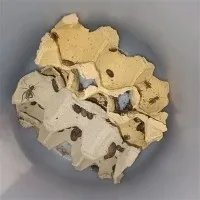
First off, it's important to understand why those ice crystals form on the frozen rats. Ice crystals typically appear when there's been a bit of temperature fluctuation in the storage of the frozen rodents. Maybe the freezer had a brief power outage, or it got opened too often, causing the temperature to rise slightly and then drop again. When water in the rat's body freezes and thaws a little bit, ice crystals start to form.
Now, the big question is whether it's safe to feed these icy rats to your snakes. Well, in most cases, it's not an immediate deal - breaker. The ice crystals themselves aren't toxic or harmful to your snake. However, they can be a sign of other potential issues.
One concern is the quality of the meat. When ice crystals form, it can cause a process called freezer burn. Freezer burn happens when the water in the meat evaporates, leaving behind dry, discolored patches. This can affect the taste and texture of the rat. Snakes are pretty finicky eaters, and if the rat doesn't smell or taste right, they might refuse to eat it.
Another issue is the potential for bacterial growth. Even though the rats are frozen, if they've gone through multiple freeze - thaw cycles, there's a higher chance that bacteria could have started to multiply during the brief periods when the temperature was above freezing. Bacteria can cause all sorts of health problems for your snake, like digestive issues or infections.
So, what should you do if you find ice crystals on your frozen rats? The first thing is to inspect the rat closely. If the ice crystals are just a light dusting on the surface and the rat looks otherwise normal, it might still be okay to feed. But if the rat has large ice chunks, or if there are signs of freezer burn like dry, grayish patches, it's probably best to skip it.
As a supplier, I always recommend proper storage to avoid these issues in the first place. Make sure your freezer is set at a consistent, low temperature. A good rule of thumb is to keep it at around - 20°C (- 4°F). Also, try to limit how often you open the freezer door, as each time you do, the temperature inside can rise.
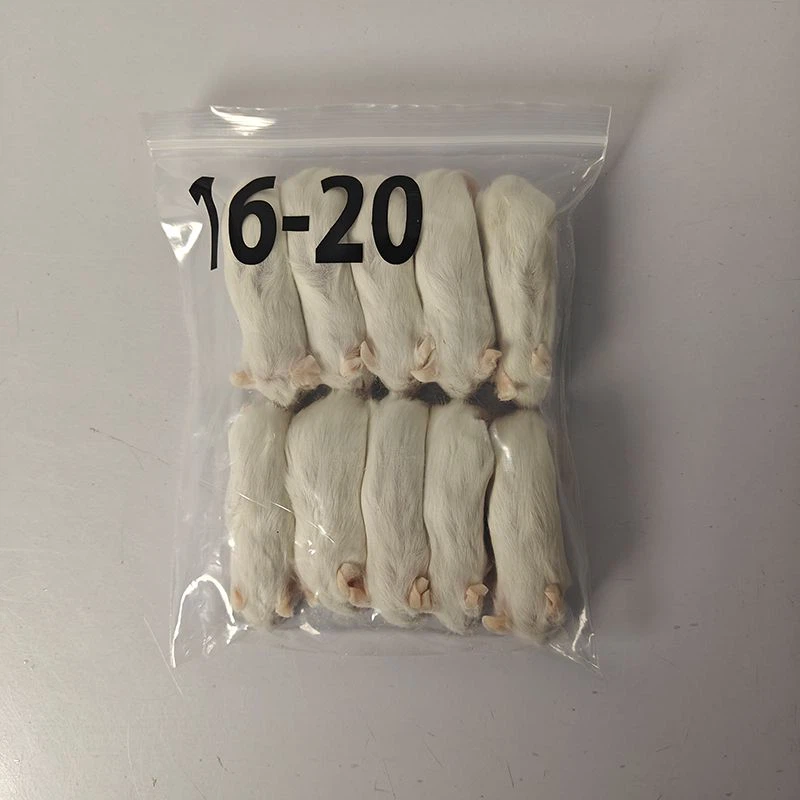
Now, let me tell you a bit about the products we offer. We have a great selection of Small Frozen Rats for Snakes. These are perfect for smaller snake species that can't handle larger prey. They're carefully frozen and stored to ensure the best quality for your snakes.
We also have High White Rat. These rats are a bit larger and are a great option for medium - to large - sized snakes. They're raised in a clean environment and frozen at the peak of freshness.
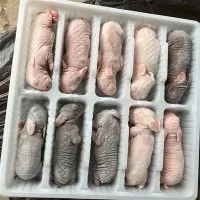
And for those snakes that prefer mice, we have Frozen Pinks Mice. These are baby mice that are soft and easy for snakes to digest.
When it comes to thawing the frozen rats or mice, there are a few things to keep in mind. Never use a microwave to thaw them. The microwave can heat the meat unevenly, creating hot spots that can cook the meat on the inside while leaving the outside still frozen. This can not only affect the quality of the food but also pose a risk of burning your snake's mouth.
A better way to thaw the rats is to place them in the refrigerator overnight. This slow thawing process is more natural and helps to preserve the quality of the meat. If you're in a hurry, you can also place the rat in a sealed plastic bag and submerge it in lukewarm water. Just make sure the water isn't too hot, as you don't want to start cooking the rat.

Once the rat is thawed, you can offer it to your snake. Some snake owners like to use tongs to wiggle the rat a bit to make it look more like a live prey. This can sometimes entice a reluctant snake to eat.
In conclusion, while it's possible to feed your snake a frozen rat with a few ice crystals on it, it's important to be cautious. Always inspect the rat for signs of freezer burn or other issues. And remember, proper storage and thawing are key to keeping your snake healthy and happy.
If you're interested in purchasing high - quality frozen rats or mice for your snakes, I'd love to hear from you. Whether you're a new snake owner or a seasoned reptile enthusiast, we have the products you need. Reach out to us to start a conversation about your needs and how we can help keep your snakes well - fed.
References
- "The Complete Guide to Snake Care" by Reptile Experts Inc.
- "Feeding Your Reptile: Best Practices" by Herpetology Today Magazine