



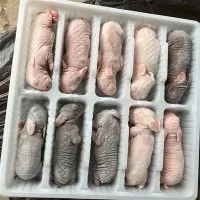
Feeding your snake is a crucial aspect of its care, and one of the most common food options for snakes is frozen rats. As a supplier of frozen rats for snakes, I often receive questions from snake owners about the safety and suitability of feeding frozen rats that have been stored in the freezer for a certain period. In this blog post, I'll delve into whether it's okay to feed your snake frozen rats that have been in the freezer for a month, and provide some insights based on scientific knowledge and industry best practices.
The Shelf Life of Frozen Rats
When it comes to frozen rats for snake food, the general consensus among experts is that they can remain safe for consumption for an extended period if stored properly. Freezing is an effective method of preserving food because it slows down the growth of bacteria, fungi, and other microorganisms that can cause spoilage. However, the quality of the frozen rats can gradually decline over time, even in the freezer.
Most experts agree that frozen rats can be safely stored in a freezer at a temperature of 0°F (-18°C) or lower for up to 6 - 12 months. This means that a frozen rat that has been in the freezer for a month is well within the safe storage period. As long as the freezer has maintained a consistent temperature and the rats were properly prepared and packaged before freezing, they should still be suitable for your snake to eat.
Factors Affecting the Quality of Frozen Rats
While a one - month storage period is generally safe, there are several factors that can affect the quality of the frozen rats:
-
Initial Quality: The quality of the rats before freezing is crucial. If the rats were sick, injured, or of poor quality when they were frozen, this can impact their suitability as snake food. At our [unmentioned company], we ensure that all our frozen rats, such as the Little White Rat, Frozen Pup Rats, and Frozen Pinkie Rats, are sourced from healthy and well - cared - for animals. We follow strict quality control measures to ensure that only the best rats are processed and frozen for snake consumption.
-
Freezer Temperature: Fluctuations in freezer temperature can cause the rats to partially thaw and refreeze, which can lead to the formation of ice crystals and damage the texture and nutritional value of the meat. It's important to regularly check your freezer temperature to ensure it remains at a consistent 0°F (-18°C) or lower.
-
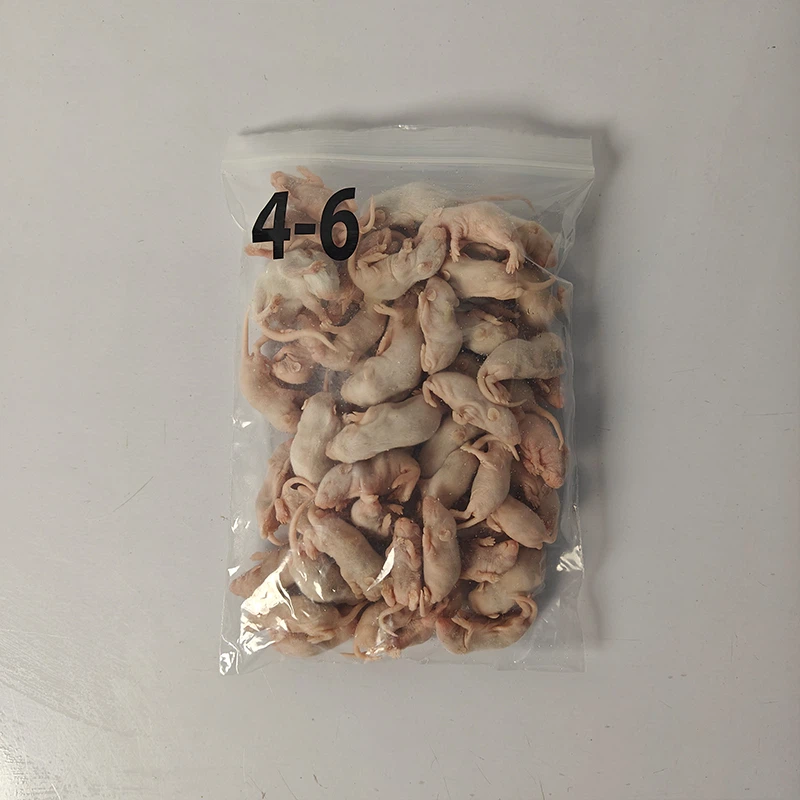
Packaging: Proper packaging is essential to prevent freezer burn and contamination. Our frozen rats are individually wrapped in air - tight packaging to protect them from freezer burn and to keep them fresh. This also helps to maintain their nutritional value and flavor.
Preparing Frozen Rats for Feeding
Before feeding a frozen rat to your snake, it's important to thaw it properly. There are two main methods for thawing frozen rats:
- Refrigerator Thawing: This is the safest method. Place the frozen rat in a sealed plastic bag and put it in the refrigerator overnight. This slow thawing process helps to preserve the nutritional value of the rat and reduces the risk of bacterial growth.
- Warm Water Thawing: If you need to thaw the rat more quickly, you can place it in a sealed plastic bag and submerge it in warm water (around 86°F - 95°F or 30°C - 35°C). Make sure to change the water every 15 - 20 minutes to keep it at a consistent temperature. Do not use hot water, as this can cook the outside of the rat while the inside remains frozen.
Once the rat is thawed, you can offer it to your snake. Use tongs or forceps to present the rat to your snake, as this helps to prevent accidental bites and also mimics the movement of live prey.
Signs of Spoilage
Even though a one - month - old frozen rat is likely to be safe, it's still important to check for signs of spoilage before feeding it to your snake. Signs of spoilage include:

- Unusual Odor: A strong, foul smell is a clear indication that the rat has spoiled.
- Discoloration: If the rat has turned a strange color, such as green or black, it may be spoiled.
- Mold or Slime: The presence of mold or a slimy texture on the rat is a sign of spoilage.
If you notice any of these signs, do not feed the rat to your snake. Instead, dispose of it properly.
Nutritional Considerations
Frozen rats are a good source of nutrition for snakes. They provide essential proteins, fats, vitamins, and minerals that are necessary for your snake's health and growth. However, over time, the nutritional value of the frozen rats can gradually decline. While a one - month storage period is unlikely to cause significant nutrient loss, it's still important to provide a varied diet for your snake if possible.
Conclusion
In conclusion, it is generally safe to feed your snake frozen rats that have been in the freezer for a month, as long as the rats were properly prepared, stored at a consistent freezer temperature, and show no signs of spoilage. At our company, we are committed to providing high - quality frozen rats for snake owners. Our Little White Rat, Frozen Pup Rats, and Frozen Pinkie Rats are carefully sourced and processed to ensure they meet the highest standards of quality and safety.
If you're interested in purchasing high - quality frozen rats for your snake, we invite you to contact us for more information and to discuss your specific needs. We are here to help you provide the best possible care for your snake.
References
- Barker, D. M., & Barker, T. C. (2008). Biology and Husbandry of Reptiles: Captive Propagation of Amphibians and Reptiles. CRC Press.
- Mader, D. R. (2019). Reptile Medicine and Surgery, 4th Edition. Elsevier.
- Stahl, S. S., & Donoghue, S. (2010). Ferret, Rabbit, and Rodent Medicine and Surgery. Saunders Elsevier.