



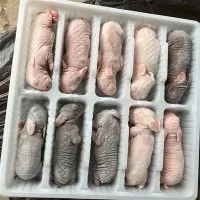
As a supplier of frozen rats for snakes, I often receive various questions from snake owners. One of the most common concerns is whether it's okay to feed their snakes frozen rats that have an odd smell. In this blog, I'll delve into this topic, providing scientific insights and practical advice to help you make the best decisions for your slithery friends.
Understanding the Normal and Abnormal Smells of Frozen Rats
First and foremost, it's essential to distinguish between normal and abnormal smells in frozen rats. A fresh - frozen rat that has been properly stored should have a relatively mild, neutral odor. The natural scent of a rodent is faint and shouldn't be overly pungent. However, there are certain factors that can cause an odd smell in frozen rats.
Causes of Normal - Slight Odor
- Natural Rodent Scent: Rats have their own unique body odor, which is a result of their natural biological processes. Even after freezing, a very slight version of this odor may still be detectable. This is completely normal and is not a cause for alarm.
- Processing Residue: During the freezing process, some minimal amount of bodily fluids or secretions might be present on the surface of the rat. This can lead to a slightly stronger smell right after thawing, but it should dissipate quickly.
Causes of Abnormal Odor
- Improper Storage: If the frozen rats are not stored at the correct temperature, they can start to spoil. Freezers should be maintained at a consistent, very low temperature (usually around - 20°C or lower). When the temperature fluctuates, bacteria can start to grow, leading to a foul, rotten smell.
- Contamination: The rats could have been contaminated during the handling or packaging process. For example, if they come into contact with dirty equipment or other contaminants, it can introduce unwanted bacteria or fungi, resulting in an off - putting odor.
- Old Age: Frozen rats have a shelf life. If they have been stored for too long, even in the freezer, their quality can deteriorate, and they may develop an odd smell.
The Risks of Feeding Snakes Frozen Rats with an Odd Smell
Feeding your snake a frozen rat with an odd smell can pose several risks to its health.
- Gastrointestinal Issues: Spoiled or contaminated rats can contain harmful bacteria such as Salmonella or E. coli. When a snake consumes these, it can lead to severe gastrointestinal problems, including diarrhea, vomiting, and loss of appetite. In some cases, these issues can be life - threatening, especially for young or weak snakes.
- Infections: The presence of bacteria or fungi in the rat can cause infections in the snake's body. These infections can spread to different organs and systems, leading to long - term health complications.
- Reduced Immunity: Constant exposure to poor - quality food can weaken the snake's immune system. A weakened immune system makes the snake more susceptible to other diseases and parasites.
What to Do If You Encounter an Odd - Smelling Frozen Rat
If you notice that a frozen rat has an odd smell, here are the steps you should take:
- Inspect the Rat: Look closely at the rat for any signs of discoloration, mold, or other visible abnormalities. If it looks slimy or has a greenish - black tint, it's likely spoiled and should not be fed to your snake.
- Check the Storage Conditions: Review the storage conditions of your frozen rats. Make sure your freezer is at the right temperature and that the rats have been stored properly. If the storage conditions are suspect, it's possible that other rats in the batch may also be affected.
- Contact the Supplier: As a supplier, I always encourage customers to reach out if they encounter any issues with the product. If you've purchased the frozen rats from us, we'll be more than happy to investigate the problem. We can offer replacements or provide more information about the product's quality control.
Our Quality Assurance as a Frozen Rats for Snake Supplier
At our company, we take great pride in providing high - quality frozen rats for snakes. We follow strict quality control measures throughout the entire process, from sourcing the rats to packaging and shipping.
- Sourcing: We source our rats from reputable breeders who follow strict animal welfare and hygiene standards. The rats are raised in clean, controlled environments to ensure their health and quality.
- Freezing Process: We use state - of - the - art freezing technology to quickly and efficiently freeze the rats. This helps to preserve their nutritional value and prevent the growth of bacteria.
- Storage and Shipping: Our frozen rats are stored in commercial - grade freezers at the optimal temperature. During shipping, we use insulated packaging and cold packs to ensure that the rats remain frozen until they reach your doorstep.
Our Product Range
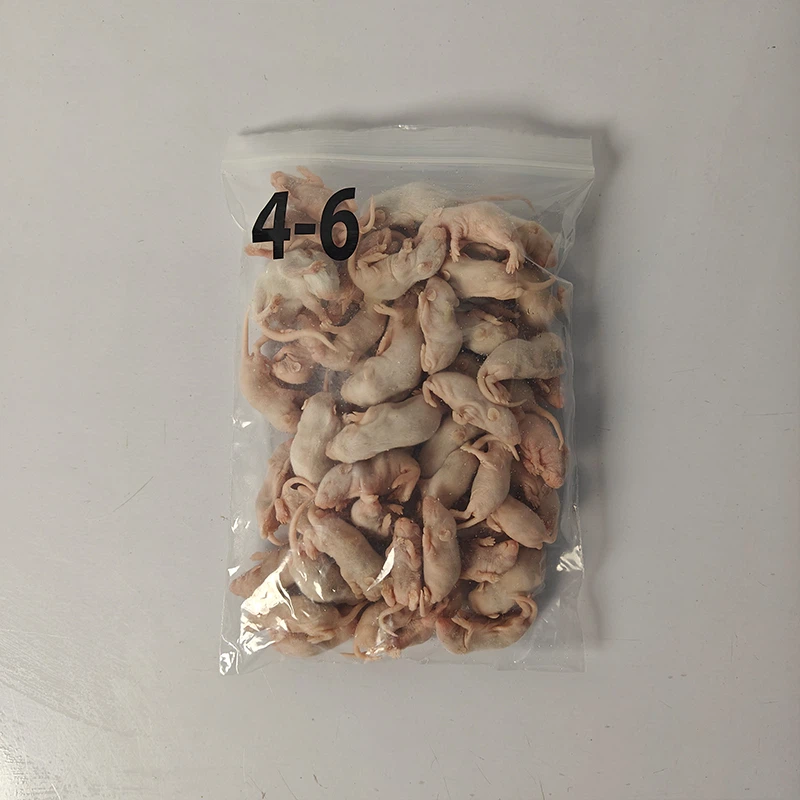
We offer a diverse range of frozen rats to meet the needs of different snake species.
- Arctic Mice Frozen Rats: These are a great option for smaller snake species. They are carefully selected and frozen to provide the perfect size and nutrition for your pet. You can learn more about them Arctic Mice Frozen Rats.
- Frozen Jumbo Rat: For larger snake species, our Frozen Jumbo Rats are an ideal choice. They are big and packed with nutrients to keep your snake healthy and satisfied. Check out our Frozen Jumbo Rat product page for more details.
- Little White Rat: These cute and nutritious little rats are suitable for a variety of snake sizes. They are a popular choice among snake owners. Visit our Little White Rat page to find out more.
Conclusion and Call to Action
In conclusion, it's generally not advisable to feed your snake frozen rats that have an odd smell. The risks to your snake's health are significant, and it's always better to err on the side of caution. As a trusted supplier of frozen rats for snakes, we are committed to providing you with the highest - quality products.
If you have any questions about our frozen rats, or if you're interested in purchasing from us, please don't hesitate to contact us. We're here to help you make the best choices for your snake's diet and overall well - being. Whether you're a new snake owner or an experienced reptile enthusiast, we look forward to serving you.

References
- "The Biology of Snakes" by Mark O'Shea.
- "Feeding and Nutrition of Reptiles" by Gary R. Wostmann.
- Various research papers on rodent spoilage and snake health from scientific journals.