



As a supplier of frozen rats for snakes, I often receive various questions from snake owners. One of the most concerning queries I get is, "Can I feed my snake frozen rats that have a moldy appearance?" This is a crucial question that needs a well - informed answer, as the health of your snake depends on it.
Understanding the Risks of Moldy Frozen Rats
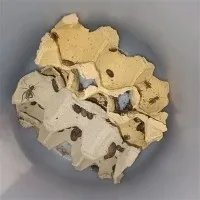
Mold is a type of fungus that can grow on a variety of organic materials, including frozen rats. When a frozen rat has a moldy appearance, it indicates that the storage conditions were not ideal, or the rat was contaminated before freezing. Mold can produce mycotoxins, which are toxic substances that can have severe health implications for snakes.
Snakes have a relatively sensitive digestive system. When they consume a moldy frozen rat, they are at risk of ingesting these mycotoxins. Mycotoxins can cause a range of health problems, from mild digestive upset to more serious issues such as liver damage, immune system suppression, and even death in severe cases.


In addition to mycotoxins, mold can also introduce harmful bacteria to the snake's body. The combination of bacteria and mycotoxins can create a perfect storm for a snake's health, leading to infections, inflammation, and other health complications.
Causes of Moldy Appearance in Frozen Rats
There are several reasons why a frozen rat might have a moldy appearance. One of the most common causes is improper storage. If the frozen rats are not stored at the correct temperature, mold can start to grow. Freezers should be set at a consistent temperature of 0°F (-18°C) or lower to prevent any microbial growth. Fluctuations in temperature can cause the ice on the rats to melt and refreeze, creating a moist environment that is conducive to mold growth.
Another cause could be contamination before freezing. If the rats were not properly cleaned or were exposed to mold - infested environments during the breeding or processing stage, mold spores could be present on their bodies. These spores can start to grow when the conditions are right, even after the rats are frozen.
How to Identify Moldy Frozen Rats
Identifying moldy frozen rats is not always straightforward, especially if the mold is just starting to grow. However, there are some signs you can look out for. Visible mold growth is the most obvious sign. Mold can appear as fuzzy patches on the rat's body, usually in shades of green, black, or white.
You might also notice a musty smell coming from the frozen rat. This smell is a clear indication that mold is present. If the rat has a slimy or sticky texture, it could also be a sign of mold growth or spoilage.
What to Do If You Find a Moldy Frozen Rat
If you come across a frozen rat with a moldy appearance, the first thing you should do is discard it immediately. Do not attempt to feed it to your snake, no matter how hungry your snake might be. It is better to skip a feeding than to risk your snake's health.
You should also check the rest of your frozen rat supply. If one rat is moldy, there is a chance that others in the same batch or storage area might also be affected. Inspect each rat carefully for signs of mold.
If you are a regular customer of our frozen rat products and you find a moldy rat, please contact us. We take the quality of our products very seriously and will do everything we can to resolve the issue.
Our Commitment to Quality
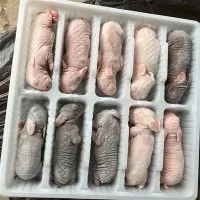
At our company, we understand the importance of providing high - quality frozen rats for snakes. We have strict quality control measures in place to ensure that our Frozen Jumbo Rat, High White Rat, and Frozen Pinks Mouse products are safe and healthy for your snakes.
We source our rats from reputable breeders who follow strict hygiene and animal welfare standards. Before freezing, the rats are thoroughly cleaned and inspected to ensure that they are free from any signs of disease or contamination.
Our freezing process is carefully monitored to ensure that the rats are frozen at the correct temperature and speed. This helps to preserve the nutritional value of the rats and prevent any microbial growth.
We also store our frozen rats in state - of - the - art freezers that are set at the optimal temperature. Regular temperature checks are conducted to ensure that the storage conditions remain consistent.
Tips for Storing Frozen Rats
To ensure the longevity and quality of your frozen rat supply, it is important to store them properly. Here are some tips:
- Use a dedicated freezer: If possible, use a separate freezer for storing your frozen rats. This will help to prevent cross - contamination from other food items.
- Keep the freezer clean: Regularly clean the freezer to remove any ice buildup or debris. This will help to maintain the temperature and prevent the growth of mold and bacteria.
- Label and date the packages: Label each package of frozen rats with the date of purchase or freezing. This will help you to keep track of the age of the rats and ensure that you use the oldest ones first.
- Avoid overcrowding: Do not overcrowd the freezer. Make sure there is enough space for air to circulate around the packages. This will help to maintain a consistent temperature.
Conclusion
In conclusion, feeding your snake frozen rats with a moldy appearance is a big no - no. The risks associated with moldy rats, such as mycotoxin ingestion and bacterial infections, are too high to ignore. As a snake owner, it is your responsibility to ensure that your snake's food is safe and healthy.
If you are looking for high - quality frozen rats for your snakes, look no further. Our company is committed to providing the best products on the market. We have a wide range of options, including Frozen Jumbo Rat, High White Rat, and Frozen Pinks Mouse.
If you are interested in purchasing our products or have any questions, please feel free to reach out. We are always happy to assist you with your snake - feeding needs.
References
- "Reptile Nutrition" by Stephen J. Divers and Douglas R. Mader.
- "The Complete Guide to Snake Care" by David W. Barker and Thomas R. Barker.
- Various scientific articles on reptile health and nutrition from peer - reviewed journals.