



Can I feed my bobcat frozen rats?
As a supplier of frozen rats, I often get asked this question. Bobcats are wild animals that have specific dietary needs, and understanding whether frozen rats are a suitable part of their diet is crucial for their health and well - being.
Natural Diet of Bobcats
In the wild, bobcats are opportunistic predators. Their diet mainly consists of small mammals such as rabbits, squirrels, mice, and rats. They also prey on birds, reptiles, and amphibians when available. Rats are a common part of their natural food chain. Bobcats are well - adapted to hunting and consuming live prey. They use their sharp claws and teeth to catch, kill, and eat these animals. The act of hunting provides them with physical exercise and mental stimulation, which are important aspects of their overall health.
Advantages of Feeding Frozen Rats to Bobcats
- Convenience: For bobcat owners or those responsible for their care, feeding frozen rats can be extremely convenient. Unlike live rats, frozen rats can be stored in a freezer for an extended period. This means that you don't have to worry about constantly sourcing live prey, which can be time - consuming and sometimes difficult to find.
- Safety: Feeding live rats to bobcats can pose some risks. Live rats may carry diseases or parasites that can be transmitted to the bobcat. They can also fight back and potentially injure the bobcat during the feeding process. Frozen rats, on the other hand, can be properly inspected and processed to reduce the risk of disease transmission. Many suppliers, including myself, ensure that the frozen rats are sourced from clean and healthy environments and are frozen at appropriate temperatures to kill any potential pathogens.
- Nutritional Value: Rats are a good source of protein, fat, and other essential nutrients for bobcats. When properly frozen and thawed, the nutritional value of the rats remains relatively intact. The proteins in rats help in muscle development and repair, while the fats provide energy.
Considerations when Feeding Frozen Rats to Bobcats
- Thawing Process: It is essential to thaw the frozen rats properly before feeding them to the bobcat. Thawing at room temperature is a common method, but it should be done in a clean and safe environment. Avoid using hot water or a microwave to thaw the rats, as this can unevenly heat the meat and potentially create hot spots that can burn the bobcat's mouth or damage the nutritional value of the food.
- Variety in Diet: While frozen rats can be a part of a bobcat's diet, they should not be the sole source of food. Bobcats need a diverse diet to ensure they get all the necessary nutrients. In addition to rats, other small mammals, birds, and even some fruits and vegetables can be included in their diet in small amounts. This variety helps to mimic their natural diet and provides a wider range of nutrients.
- Health Monitoring: Regular health check - ups are important when feeding bobcats frozen rats. Monitor the bobcat's weight, coat condition, and overall behavior. If you notice any signs of illness or abnormal behavior, it could be related to the diet. Consult a veterinarian who is experienced in treating wild animals for advice.
Our Frozen Rat Products
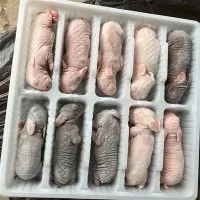
We offer a variety of frozen rat products that are suitable for bobcats. Our Small Frozen Rats for Snakes can be a good option for younger or smaller bobcats. These rats are of an appropriate size and are carefully processed to ensure high quality.
Our High White Rat is another popular choice. These rats are known for their clean and healthy appearance and are a great source of nutrition for bobcats.


We also have a wide selection of Frozen Rats for Snake, which can also be used to feed bobcats. All our products are frozen at the optimal temperature to preserve their nutritional value and freshness.
Contact for Procurement
If you are interested in purchasing our frozen rats for your bobcat or have any questions about our products, we encourage you to reach out. We are always happy to discuss your specific needs and provide you with more information about our offerings. Whether you are a zoo, a wildlife rehabilitation center, or an individual responsible for the care of a bobcat, we can work with you to ensure that you get the right products at the best possible prices.
References
- "Wild Mammals of North America: Biology, Management, and Conservation" by George A. Feldhamer, Bruce C. Thompson, and Joseph A. Chapman.
- "The Bobcat: Ecology and Behavior of an Elusive Cat" by Lynne Trulio.
- Various scientific studies on the diet and nutrition of wild felines.