



As a long - time supplier of frozen rats for reptiles, I often receive questions from reptile owners, especially those with baby reptiles. One of the most frequently asked questions is, "Can I feed frozen rats to baby reptiles?" In this blog, I'll delve into this topic, offering scientific insights and practical advice based on my experience in the industry.
Understanding the Dietary Needs of Baby Reptiles
Baby reptiles have different dietary requirements compared to their adult counterparts. Their small size and rapid growth mean they need food that is not only nutritionally dense but also appropriately sized. For many carnivorous reptiles, rodents are a staple in their diet. However, when it comes to baby reptiles, the size and type of the rodent matter significantly.
The nutritional needs of baby reptiles include a high - protein diet to support their growth. Protein is essential for muscle development, tissue repair, and overall health. Fat is also an important energy source, but the ratio needs to be carefully balanced. Vitamins and minerals, such as calcium and vitamin D3, are crucial for proper bone development. Frozen rats can potentially meet these nutritional requirements, but the right choice of rat is vital.
Advantages of Feeding Frozen Rats to Baby Reptiles
One of the main advantages of using frozen rats is safety. Frozen rats are typically bred in controlled environments, reducing the risk of parasites and diseases that live prey might carry. This is especially important for baby reptiles, as their immune systems are still developing. A sick baby reptile can face serious health complications, and using frozen rats can help prevent such issues.
Another benefit is convenience. As a supplier, I understand the challenges that reptile owners face in sourcing live prey on a regular basis. Frozen rats can be stored in a freezer for an extended period, allowing owners to have a ready supply of food for their baby reptiles. This also eliminates the need to handle live rodents, which can be stressful for both the owner and the reptile.
Frozen rats also offer a more consistent nutritional profile. When bred and processed correctly, each frozen rat provides a known amount of protein, fat, and other essential nutrients. This consistency helps in ensuring that baby reptiles receive a balanced diet, which is crucial for their healthy growth.
Types of Frozen Rats Suitable for Baby Reptiles
There are different types of frozen rats available, each suitable for different stages of a baby reptile's growth.
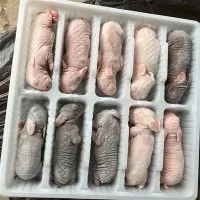
[Pinks Rats](/frozen - rats/pinks - rats.html) are the youngest and smallest type of frozen rats. They are typically less than 24 hours old and have a pink, hairless appearance. These are ideal for very small baby reptiles, such as hatchling snakes and some small lizards. Their small size makes them easy for baby reptiles to swallow and digest.
[Frozen Pup Rats](/frozen - rats/frozen - pup - rats.html) are slightly older and larger than pinks. They have started to develop some fur and are a good choice for baby reptiles that have outgrown pinks but are still not ready for larger prey. The increased size of pup rats provides more nutrients, which is beneficial for the growing reptile.
[White Fluffy Rat](/frozen - rats/white - fluffy - rat.html) are a bit larger and more suitable for slightly more mature baby reptiles. They have a well - developed body and can provide a substantial meal for reptiles that are in the intermediate stage of growth.
How to Feed Frozen Rats to Baby Reptiles
Feeding frozen rats to baby reptiles requires some care and attention. First, the frozen rat needs to be thawed properly. I recommend thawing the rat in a sealed plastic bag in warm water. This method ensures a more even thawing process and reduces the risk of contamination. Do not use a microwave to thaw the rat, as it can cause uneven heating and may cook parts of the rat, which can be harmful to the reptile.
Once the rat is thawed, it's important to present it to the baby reptile in a way that stimulates its natural hunting instincts. Use a pair of tongs to hold the rat and move it in a way that mimics the movement of a live prey. This can encourage the baby reptile to strike and eat the rat.


It's also crucial to monitor the baby reptile during feeding. Make sure it is able to swallow the rat without any difficulty. If the rat is too large, it can cause choking or other digestive problems. If the baby reptile shows no interest in the rat, try again after a few hours or the next day. Sometimes, the reptile may not be hungry or may be stressed.
Potential Risks and Precautions
While feeding frozen rats to baby reptiles has many benefits, there are also some potential risks. One of the main risks is overfeeding. Baby reptiles have small stomachs, and overfeeding can lead to obesity and other health problems. It's important to follow the recommended feeding schedule based on the species and age of the baby reptile.
Another risk is improper thawing. If the rat is not thawed completely, it can cause digestive issues for the baby reptile. On the other hand, if it is over - thawed or left at room temperature for too long, it can become a breeding ground for bacteria.
When handling frozen rats, always practice good hygiene. Wash your hands thoroughly before and after handling the rats to prevent the spread of any potential pathogens.
Conclusion
In conclusion, feeding frozen rats to baby reptiles can be a safe and nutritious option, provided that the right type of rat is chosen and the proper feeding techniques are followed. As a supplier of frozen rats for reptiles, I'm committed to providing high - quality products that meet the dietary needs of baby reptiles.
If you're a reptile owner looking for a reliable source of frozen rats for your baby reptiles, I encourage you to get in touch with me for more information and to discuss your specific requirements. Whether you need pinks rats, frozen pup rats, or white fluffy rats, I can provide you with the right product to ensure the healthy growth of your baby reptiles.
References
- "The Reptile Keeper's Handbook" by Philippe de Vosjoli
- "Feeding and Nutrition of Reptiles: A Scientific Approach" by David Barker