



Can I Feed Dried Mealworms to Thrushes?
As a supplier of dried mealworms for birds, I often get asked a variety of questions about feeding these nutritious treats to different bird species. One question that comes up quite frequently is whether it's okay to feed dried mealworms to thrushes. In this blog post, I'll delve into this topic, providing you with the scientific facts and considerations to help you make an informed decision.

Thrushes are a family of birds that includes well - known species such as the American Robin, Song Thrush, and Mistle Thrush. These birds are known for their beautiful songs and their diet mainly consists of insects, worms, fruits, and berries in the wild. Insects play a crucial role in their diet, especially during the breeding season when they need high - protein food to raise their young.
Dried mealworms are an excellent source of protein, fat, and other essential nutrients. They are the larvae of the darkling beetle that have been dried to preserve them. This process retains most of their nutritional value, making them a great alternative to live insects. Protein is vital for birds as it helps in building and repairing tissues, maintaining a healthy immune system, and providing energy.
When it comes to thrushes, feeding them dried mealworms can be a beneficial addition to their diet. During the spring and summer months, thrushes are actively searching for insects to feed themselves and their chicks. Dried mealworms can serve as an easily accessible and consistent source of protein. For example, American Robins are known to forage on the ground for earthworms and insects. Offering them dried mealworms in a feeding station can supplement their natural diet, especially in areas where natural insect populations may be limited.
In the autumn and winter, when insects are scarce, dried mealworms can be a life - saver for thrushes. Thrushes need to maintain their energy levels to survive the cold months. The high - fat content in dried mealworms provides them with the necessary energy to keep warm. Moreover, as thrushes also eat fruits and berries during this time, the addition of dried mealworms can add a much - needed protein boost to their diet.
However, there are some considerations to keep in mind when feeding dried mealworms to thrushes. Firstly, it's important to ensure that the dried mealworms are of high quality. Low - quality mealworms may be contaminated with bacteria or mold, which can be harmful to the birds. As a supplier, I take great care in sourcing and processing our [12.55 kg Dried Mealworms]( /dried - mealworms/12 - 55 - kg - dried - mealworms.html), [Dried Mealworms 5kg]( /dried - mealworms/dried - mealworms - 5kg.html), and [10kg Dried Mealworms]( /dried - mealworms/10kg - dried - mealworms.html) to ensure they meet the highest standards of quality and safety.
Secondly, while dried mealworms are a nutritious food source, they should not be the sole diet of thrushes. Thrushes require a diverse diet to meet all their nutritional needs. In the wild, they consume a variety of insects, fruits, and berries, which provide different vitamins and minerals. Therefore, dried mealworms should be offered as a supplement to their natural diet. You can place the dried mealworms in a bird feeder or scatter them on the ground in a safe area where thrushes are likely to forage.

It's also important to provide fresh water near the feeding area. Birds need water not only for drinking but also for bathing, which helps them keep their feathers clean and in good condition. A shallow birdbath or a small dish of water can attract thrushes to the feeding area and encourage them to visit regularly.
Another aspect to consider is the competition for food. Thrushes are not the only birds that enjoy dried mealworms. Other species such as blue tits, blackbirds, and sparrows may also be attracted to the feeding station. You may need to adjust the feeding setup to ensure that the thrushes have access to the mealworms. For example, using a feeder with larger perches can make it easier for thrushes to feed, as they are generally larger birds compared to some of the other species.
In addition to the nutritional benefits, feeding dried mealworms to thrushes can also be a rewarding experience for birdwatchers. Watching these beautiful birds visit your garden and enjoy the food you provide can bring a lot of joy. It also allows you to observe their behavior up close and learn more about their habits.
If you're interested in providing dried mealworms for thrushes and other birds in your area, we offer a range of high - quality products. Our [12.55 kg Dried Mealworms]( /dried - mealworms/12 - 55 - kg - dried - mealworms.html) are ideal for larger feeding areas or for those who want to stock up for the long term. The [Dried Mealworms 5kg]( /dried - mealworms/dried - mealworms - 5kg.html) are a great option for medium - sized gardens, while the [10kg Dried Mealworms]( /dried - mealworms/10kg - dried - mealworms.html) provide a good balance between quantity and storage.
We are always happy to discuss your specific needs and answer any questions you may have about feeding dried mealworms to thrushes or other bird species. Whether you're a seasoned birdwatcher or just starting out, we can provide you with the information and products you need to create a bird - friendly environment in your garden.
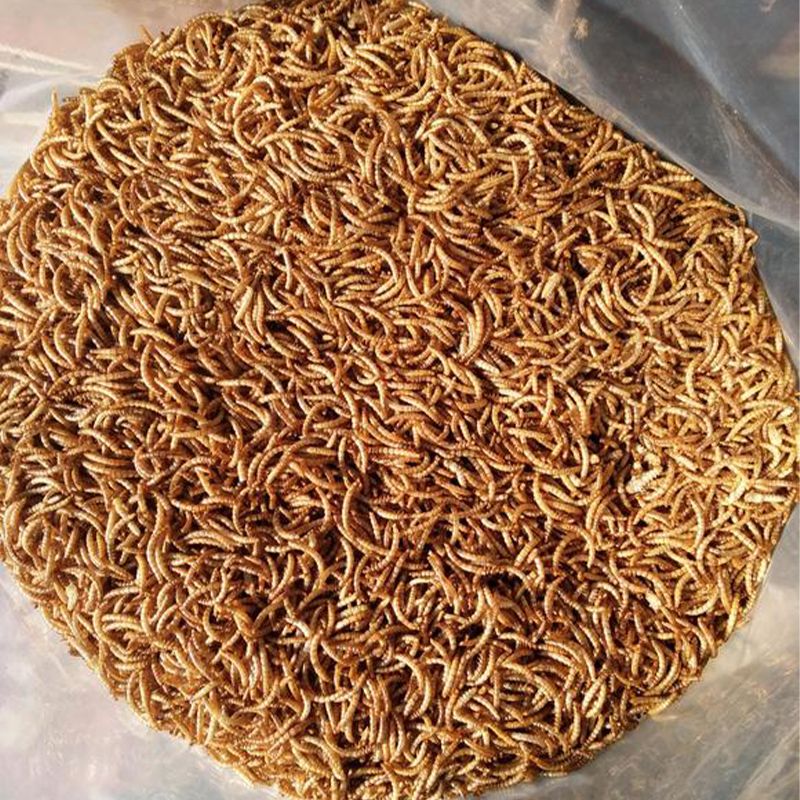
In conclusion, feeding dried mealworms to thrushes can be a great way to support these beautiful birds, especially during times when their natural food sources are limited. By providing high - quality mealworms as part of a balanced diet and considering the various factors mentioned above, you can help thrushes thrive in your local area. If you're interested in purchasing our dried mealworms or have any questions about our products, feel free to reach out and start a conversation about your procurement needs.
References
- "The Birds of North America," Cornell Lab of Ornithology.
- "The Handbook of Bird Biology," Cooper Ornithological Society.