



Hey there, fellow bird enthusiasts! I'm the supplier behind Dried Crickets for Birds, and I often get asked a ton of questions about feeding dried crickets to different bird species. Today, I want to dig into one specific query: Can I feed dried crickets to my ibises?
First off, let's talk a bit about ibises. These are some pretty interesting birds. They're wading birds with long, curved bills that they use to probe around in mud and shallow water for food. In the wild, their diet mainly consists of invertebrates like insects, crustaceans, and small fish. So, it makes sense to wonder if dried crickets could be a good addition to their diet, especially if you're keeping them in a captive environment.


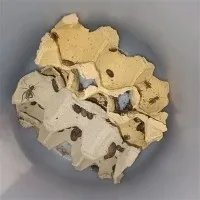
Now, dried crickets are a great source of protein, which is super important for birds. Protein helps with everything from muscle development to feather growth. And let's face it, a healthy set of feathers is crucial for any bird, whether it's soaring through the sky or just strutting around on the ground. Our Small Freeze Dried Crickets are carefully processed to retain as much of their nutritional value as possible. The freeze - drying process locks in the nutrients, so your ibises can get all the goodness they need.
One of the big advantages of feeding dried crickets to ibises is convenience. Unlike live insects, you don't have to worry about keeping them alive or dealing with the mess that sometimes comes with live feed. Dried crickets are easy to store, and you can just keep them in a cool, dry place until you're ready to feed your birds. Plus, they have a long shelf - life, so you don't have to worry about them going bad quickly.
But, like with any new food, you've got to introduce dried crickets to your ibises gradually. Start by offering a small amount and see how they react. Some ibises might take to them right away, while others might be a bit more hesitant. That's totally normal. You can try mixing the dried crickets with their regular food at first. This way, they get used to the new taste and texture.
Another thing to consider is the size of the crickets. Ibises have relatively large bills, but you still want to make sure the crickets aren't too big for them to swallow comfortably. Our small freeze - dried crickets are a great size for ibises. They're small enough to be easily consumed, but still packed with nutrients.
Now, you might be thinking, "What if I want to use these dried crickets for other purposes?" Well, we also have Dried Crickets for Humans. Believe it or not, crickets are becoming a popular source of protein for people too! They're high in protein, low in fat, and have a unique, nutty flavor. And if you've got chickens, we've got you covered with Dried Crickets for Chickens. Chickens love them, and they can help improve egg production and the overall health of your flock.
When it comes to the nutritional content of dried crickets, they're a real powerhouse. They're rich in amino acids, which are the building blocks of protein. They also contain vitamins and minerals like vitamin B12, iron, and calcium. These nutrients are essential for the overall health and well - being of your ibises. Vitamin B12 is important for nerve function, iron helps with oxygen transport in the body, and calcium is crucial for strong bones and eggshell formation (if you have female ibises).
However, it's important to remember that dried crickets shouldn't be the only thing in your ibises' diet. They still need a balanced diet that includes other foods like fresh fruits, vegetables, and maybe some commercial bird feed. Dried crickets are more like a supplement, a way to add some extra nutrition and variety to their meals.
In terms of quantity, there's no one - size - fits - all answer. It depends on the age, size, and activity level of your ibises. As a general rule of thumb, you can start by offering a few crickets per day and adjust the amount based on how your birds are doing. If they seem to be enjoying the crickets and are in good health, you can gradually increase the quantity.
It's also a good idea to keep an eye on your ibises after you start feeding them dried crickets. Look for any signs of digestive issues or allergic reactions. If you notice anything unusual, like diarrhea, vomiting, or a lack of appetite, stop feeding the crickets and consult a veterinarian.
Overall, I think dried crickets can be a great addition to an ibis's diet. They're a convenient, nutritious, and tasty option. Whether you're a professional bird keeper or just someone who loves these beautiful birds, our dried crickets can help keep your ibises healthy and happy.
If you're interested in purchasing our dried crickets for your ibises or for any other purpose, I'd love to hear from you. We're always happy to answer any questions you might have and help you find the right product for your needs. Just reach out to us, and we can start a conversation about your requirements.
References:
- "Nutritional Composition of Insects as Food" - Journal of Insects as Food and Feed
- "Avian Nutrition Handbook" - Various authors