



As a supplier of Frozen Jumbo Rats, I often receive various inquiries from customers. One question that has popped up recently is, "Can I feed a Frozen Jumbo Rat to my pet otter?" This is a complex question that requires a comprehensive exploration of otter diet, the nature of Frozen Jumbo Rats, and potential implications.
Understanding Otter Diet in the Wild
Otters are carnivorous mammals with a diverse diet in the wild. Their natural diet mainly consists of fish, crustaceans, amphibians, and small invertebrates. Fish typically make up the majority of their food intake, as they are well - adapted to hunting in aquatic environments. They use their sharp teeth and agile bodies to catch fish in rivers, lakes, and coastal waters. Crustaceans like crabs and crayfish also provide an important source of nutrition, offering a good amount of protein and minerals.
Amphibians such as frogs and newts are also on the menu for otters. These small creatures are rich in nutrients and are relatively easy for otters to catch in their natural habitats. Small invertebrates, including insects and worms, are also consumed, especially when other food sources are scarce.
Frozen Jumbo Rats: A Different Proposition
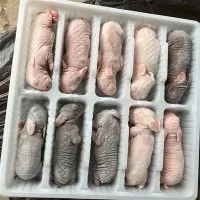
Frozen Jumbo Rats are a product that is primarily marketed for reptile owners. Small Frozen Rats for Snakes and Frozen Rats for Reptiles are common offerings in the market, and these rodents are bred and processed to meet the nutritional needs of snakes, lizards, and other reptiles.
Our Frozen Jumbo Rats are carefully raised in controlled environments to ensure they are healthy and free from diseases. They are then humanely euthanized and frozen at the optimal time to preserve their nutritional value. These rats are a convenient and reliable food source for reptiles, as they can be stored for long periods and thawed as needed.
Can Otters Eat Frozen Jumbo Rats?
The question of whether otters can eat Frozen Jumbo Rats is not straightforward. From a nutritional perspective, rats are a good source of protein, fat, and other essential nutrients. However, otters have evolved to consume a diet that is mainly aquatic - based. Their digestive systems are adapted to process the high - moisture content and specific nutrient profiles of fish and other aquatic organisms.

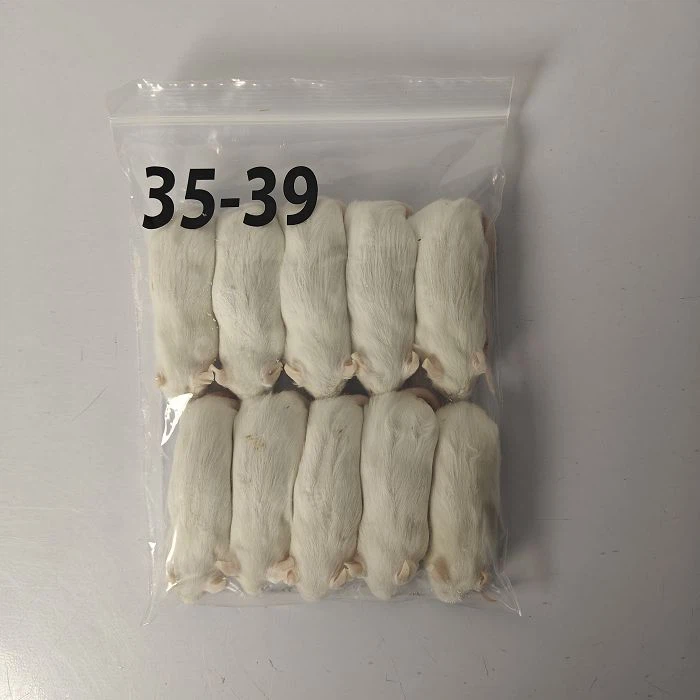
Feeding a Frozen Jumbo Rat to an otter may pose some challenges. Firstly, the texture and taste of rats may be unfamiliar to otters. Otters are used to the slippery and soft texture of fish and the crunchy exoskeletons of crustaceans. The fur and bones of a rat may be difficult for an otter to handle and digest.
Secondly, there is a risk of introducing new pathogens or parasites. Although our Frozen Jumbo Rats are thoroughly inspected and processed to minimize these risks, otters may not have the same immunity to the pathogens that are commonly found in rats as reptiles do.
On the other hand, in some cases, otters may be willing to eat rats if they are hungry enough or if they are gradually introduced to the new food source. But this should be done with caution and under the guidance of a veterinarian.
Potential Benefits of Feeding Rats to Otters
If an otter can adapt to eating Frozen Jumbo Rats, there could be some benefits. Rats are a concentrated source of nutrients. They contain high levels of protein, which is essential for an otter's growth, maintenance, and repair of body tissues. The fat content in rats can also provide a good source of energy, especially for otters that are more active or living in colder environments.
Precautions and Considerations
If you are considering feeding a Frozen Jumbo Rat to your pet otter, here are some precautions to take:
- Consult a Veterinarian: A veterinarian with experience in otter care can provide valuable advice on whether this is a suitable food choice for your otter. They can also help monitor your otter's health and digestion after introducing the new food.
- Gradual Introduction: If you decide to try feeding a rat to your otter, start with small amounts. Observe your otter's reaction to the new food. Look for signs of acceptance, such as willingness to eat, or signs of rejection, such as spitting out the food or showing disinterest.
- Proper Thawing: Make sure to thaw the Frozen Jumbo Rat properly before feeding it to your otter. Thawing in the refrigerator is the safest method, as it helps prevent the growth of bacteria.
- Hygiene: Always handle the rats with clean hands and use clean utensils to avoid cross - contamination. After feeding, clean up any leftover food to prevent the growth of bacteria and the attraction of pests.
Our Frozen Jumbo Rats: Quality and Assurance
As a supplier of Frozen Jumbo Rats, we take pride in the quality of our products. Our White Fluffy Rat is one of our popular offerings. We follow strict breeding and processing standards to ensure that our rats are of the highest quality.
We source our rats from reputable breeders who use ethical and sustainable breeding practices. Our processing facilities are equipped with state - of - the - art technology to ensure that the rats are frozen at the right temperature and for the right duration to preserve their nutritional value.
Conclusion and Call to Action
In conclusion, while it is possible for an otter to eat a Frozen Jumbo Rat, it is a decision that should be made carefully. There are both potential benefits and risks associated with this food choice. If you are a pet otter owner and are interested in exploring this option, we encourage you to consult a veterinarian first.
If you are a reptile owner, our Frozen Jumbo Rats are an excellent choice for your pets. We offer a wide range of frozen rodent products to meet the different needs of reptile enthusiasts. Whether you are looking for Small Frozen Rats for Snakes or Frozen Rats for Reptiles, we have you covered.
If you are interested in purchasing our Frozen Jumbo Rats or have any questions about our products, please feel free to reach out. We are always happy to discuss your requirements and provide you with the best solutions for your pets.
References
- "The Natural History of Otters" by David Macdonald
- "Nutritional Requirements of Aquatic Mammals" by the National Research Council