



As a supplier of frozen rabbits, I've often been asked whether frozen rabbits can be used in veterinary training. This blog post aims to explore this topic in depth, drawing on scientific research, industry knowledge, and practical experience.
The Role of Animals in Veterinary Training
Veterinary training is a rigorous and comprehensive process that equips future veterinarians with the skills and knowledge necessary to diagnose, treat, and prevent diseases in animals. Traditionally, live animals have been used in veterinary training to provide hands - on experience. However, the use of live animals has raised ethical concerns in recent years. These concerns include animal welfare issues, the potential for pain and distress, and the availability of alternative methods.
Advantages of Using Frozen Rabbits in Veterinary Training
Anatomical Learning
Frozen rabbits offer a unique opportunity for veterinary students to study the anatomy of rabbits in detail. When a rabbit is frozen, its tissues are preserved in a state that closely resembles the living animal. This allows students to examine the internal organs, muscles, bones, and blood vessels without the risk of the organs shifting or collapsing as they might in a fresh cadaver. For example, students can study the intricate structure of the rabbit's digestive system, including the cecum, which is a specialized organ in rabbits for digesting fibrous materials.
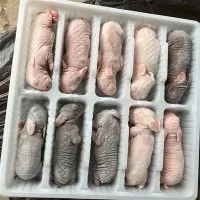
The Whole Frozen Rabbit provided by our company is an ideal specimen for such anatomical studies. The freezing process maintains the integrity of the body, and students can make precise incisions and observations.
Surgical Skills Practice
Veterinary students need to develop surgical skills to perform procedures on animals. Frozen rabbits can serve as excellent models for practicing basic surgical techniques. Students can practice suturing, wound closure, and simple surgical incisions on the frozen specimens. The firmness of the frozen tissue provides a stable surface for these practices, allowing students to focus on the technical aspects of the surgery without the complications of a live, moving animal.
In addition, using frozen rabbits for surgical training can reduce the risk of accidental harm to live animals. It gives students the opportunity to make mistakes and learn from them in a controlled environment before they perform surgeries on live patients.
Disease Simulation
Frozen rabbits can also be used to simulate certain diseases. For instance, by injecting artificial lesions or pathogens into the frozen specimens, students can learn to recognize the symptoms and pathological changes associated with different diseases. This hands - on approach helps students better understand the diagnosis and treatment of diseases in real - life situations.
Limitations of Using Frozen Rabbits in Veterinary Training
Tissue Properties
One of the limitations of using frozen rabbits is that the freezing process can alter the properties of the tissues. Frozen tissues are generally stiffer and more brittle than live tissues. This can make it difficult for students to accurately simulate the feel and response of live tissues during surgical procedures. For example, the elasticity of blood vessels is reduced in frozen specimens, which may not accurately represent the real - life situation when performing vascular surgeries.
Lack of Physiological Response
Frozen rabbits do not have a physiological response to surgical procedures. In a live animal, there are immediate physiological changes such as bleeding, inflammation, and pain responses. These responses are an important part of the veterinary training experience, as veterinarians need to be able to manage and respond to them. The absence of these responses in frozen specimens means that students may not fully develop the skills needed to handle these situations in real - life cases.
Comparison with Other Training Methods
Live Animal Training
As mentioned earlier, live animal training has been the traditional method in veterinary education. It provides a real - life experience of dealing with live patients, including the animal's physiological responses, behavior, and the need for pre - and post - operative care. However, it also has ethical and practical limitations. Live animals require proper care, housing, and anesthesia, which can be costly and time - consuming. In contrast, frozen rabbits are more cost - effective and can be stored for longer periods, making them more accessible for training purposes.
Simulation Models
There are also various simulation models available for veterinary training, such as plastic models and virtual reality simulations. These models can provide a controlled and repeatable training environment. However, they may lack the realism of using a real animal specimen. Frozen rabbits bridge the gap between these simulation models and live animals, offering a more realistic anatomical and physical experience than simulation models.
Industry Trends and Acceptance
In recent years, there has been a growing acceptance of using frozen animals in veterinary training. Many veterinary schools and training institutions are incorporating frozen specimens into their curricula. This trend is driven by a combination of ethical concerns, cost - effectiveness, and the need for more accessible training materials.
Our company's Frozen Rabbits for Reptiles and Frozen Rabbits for Snake Food are also part of the broader market of frozen animal products. While these are mainly intended for the pet food industry, they also demonstrate the versatility of frozen rabbits and the potential for their use in other areas, including veterinary training.
Conclusion
In conclusion, frozen rabbits can be a valuable tool in veterinary training. They offer unique advantages in anatomical learning, surgical skills practice, and disease simulation. However, they also have limitations, such as altered tissue properties and the lack of physiological response. When used in combination with other training methods, such as live animal training and simulation models, frozen rabbits can enhance the overall quality of veterinary education.


If you are a veterinary school, training institution, or an individual interested in using frozen rabbits for veterinary training, we invite you to contact us for more information. We are committed to providing high - quality frozen rabbit specimens that meet your training needs. Let's start a discussion about how our products can contribute to your veterinary training programs.
References
- Smith, J. (2018). Alternatives to live animal use in veterinary education. Journal of Veterinary Education, 45(3), 250 - 256.
- Brown, A. (2019). The use of cadavers in veterinary surgical training. Veterinary Surgery, 48(4), 450 - 456.
- Green, C. (2020). Anatomical studies using frozen animal specimens. Anatomical Science International, 95(1), 1 - 10.