



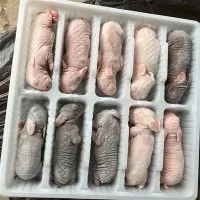
Hey there, fellow snake enthusiasts! As a supplier of Frozen Rats for Snake, I've had my fair share of questions about how to store these critters properly. It's super important because the right storage can keep the rats fresh and safe for your slithery friends. So, let's dive into the specific requirements for storing frozen rats for snakes.
Temperature is Key
First off, temperature is the name of the game when it comes to storing frozen rats. You gotta keep them at a consistent, really cold temperature. A standard home freezer set at 0°F (-18°C) or lower is ideal. This low temperature stops bacteria from growing and keeps the nutritional value of the rats intact.
If the temperature fluctuates too much, it can cause something called "freezer burn." You know, those white, dry patches on the surface of the meat? That's freezer burn, and it can make the rats less appetizing for your snakes and reduce their nutritional quality. So, make sure your freezer is working well and check the temperature regularly with a freezer thermometer.
Packaging Matters
The way you package the frozen rats also makes a big difference. When you buy from us, we package our Frozen Pup Rats and Little White Rat in high - quality, airtight bags. This helps prevent freezer burn and keeps the rats from absorbing any strange odors from other things in the freezer.
If you're storing the rats for a long time, you might even want to double - bag them. This extra layer of protection can really extend their shelf life. And don't forget to label the bags with the date you bought or froze them. That way, you can use the oldest ones first and avoid any waste.
Organization in the Freezer
Keeping your freezer organized is another important aspect of storing frozen rats. You don't want to be rummaging around in a messy freezer every time you need to feed your snake. Create a dedicated section for the rats. You can use a plastic storage bin or a series of shelves to keep them separate from other frozen foods.
This organization also helps you keep track of how many rats you have left. You can easily see when it's time to restock and make sure you always have enough for your snake's meals.
Shelf Life
Frozen rats can last a long time if stored correctly. Generally, they can be kept in the freezer for up to 12 months. But it's a good idea to use them within 6 - 9 months for the best quality. As time goes on, the nutritional value might start to decline a little bit, and the rats might become less appealing to your snake.
If you notice any signs of spoilage, like an off - smell, strange discoloration, or a mushy texture, don't feed the rats to your snake. It's better to be safe than sorry when it comes to your pet's health.


Thawing Properly
When it's time to feed your snake, you need to thaw the rat properly. Never use a microwave to thaw the rat. The microwave can heat the rat unevenly, creating hot spots that can cook the rat and make it unsafe for your snake.
The best way to thaw a frozen rat is to place it in the refrigerator overnight. This slow thawing process is the safest and helps maintain the rat's nutritional value. If you're in a hurry, you can also place the sealed bag in a bowl of warm water. Just make sure the water isn't too hot, and change the water every 15 - 20 minutes until the rat is thawed.
Avoiding Cross - Contamination
Cross - contamination is a big no - no when it comes to handling frozen rats. Always wash your hands thoroughly before and after handling the rats. Use separate utensils and cutting boards for the rats and other food items.
If you're thawing a rat in a bowl of water, don't reuse that water for anything else. And make sure to clean any surfaces that come into contact with the rats, like the countertop or the sink, with hot, soapy water.
Special Considerations for Large Quantities
If you're buying frozen rats in large quantities, which is a great way to save money in the long run, you need to be extra careful with storage. You might need to invest in a larger freezer or a chest freezer to accommodate all the rats.
Also, when you're storing a large number of rats, it's even more important to keep them organized. You can create a system where you stack the bags in a way that makes it easy to access the oldest ones first.
Monitoring and Maintenance
Regularly monitor your freezer to make sure it's working properly. Check the temperature, look for any signs of frost buildup, and make sure the door seals tightly. If you notice any issues, like the freezer not cooling enough or a broken door seal, get it fixed right away.
It's also a good idea to do a freezer clean - out every few months. Remove any expired or damaged rats and wipe down the inside of the freezer with a mild cleaning solution. This helps keep the freezer in good condition and ensures the rats are stored in a clean environment.
As a Frozen Rats for Snake supplier, we're here to make sure you have all the information you need to store and use our products safely. If you have any questions or need more advice on storing frozen rats, don't hesitate to reach out. We're always happy to help. Whether you're a new snake owner or a seasoned pro, proper storage of frozen rats is essential for the health and well - being of your snakes. So, follow these tips, and your snakes will be happy and healthy!
If you're interested in purchasing our high - quality frozen rats, we'd love to have a chat with you. Just get in touch, and we can discuss your needs and how we can provide the best frozen rats for your snakes.
References
- "Feeding Your Snake: A Guide to Frozen Prey." Reptile Magazine.
- "Best Practices for Storing Frozen Foods." Food Safety Journal.