





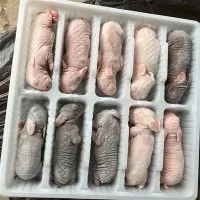
Hey there, snake owners! I'm stoked to chat with you about one of the most common questions I get as a supplier of Frozen Rats for Snake – are there any special feeding techniques for snakes eating frozen rats? Well, you bet there are, and I'm here to break it all down for you.
First off, let's talk about why frozen rats are such a popular choice for snake owners. They're convenient, safe, and a consistent food source. No more chasing down live prey or worrying about your snake getting injured during a meal. And as a supplier, I make sure that all our Small Frozen Rats for Snakes and other sizes are of the highest quality, so you can rest easy knowing your slithery friend is getting a nutritious meal.
Now, onto the feeding techniques. The most crucial step in feeding your snake frozen rats is thawing them properly. You don't want to just plop a frozen block of rodent into your snake's enclosure. It's not only inhumane but also a choking hazard. There are a couple of ways to thaw the rats safely.
One method is to use a sealed plastic bag and place it in a bowl of warm water. Make sure the water isn't too hot, as you don't want to cook the rat. Around 80 - 90°F (27 - 32°C) is a good temperature range. Stir the water occasionally to ensure even thawing. This process usually takes a few hours, depending on the size of the rat.
Another option is to thaw the rats in the refrigerator overnight. This is a slower but safer method, as it reduces the risk of bacterial growth. Just take the rat out of the freezer and place it in a container in the fridge. In the morning, it should be thawed and ready to go.
Once the rat is thawed, it's time to present it to your snake. Some snakes are more finicky eaters than others, and getting them to accept a frozen - thawed rat can be a bit of a challenge. One technique is to use feeding tongs. These are long, tweezer - like tools that allow you to hold the rat and dangle it in front of your snake. Gently wiggle the rat to mimic the movement of live prey. This can trigger your snake's hunting instincts and make it more likely to strike.
If your snake is still hesitant, you can try warming the rat up a bit more. You can do this by placing the thawed rat in a warm (not hot) cloth or by briefly running it under warm water. The extra warmth can make the rat more appealing to your snake.
For some snakes, especially those that are used to live prey, you might need to get a little creative. You can try rubbing the thawed rat with a live mouse or another prey item to transfer the scent. This can sometimes convince a reluctant snake to take the frozen - thawed meal.
It's also important to pay attention to the size of the rat you're feeding your snake. A general rule of thumb is that the rat should be about the same width as the widest part of your snake's body. If the rat is too large, it can cause digestion problems. On the other hand, if it's too small, your snake may not get enough nutrition. We offer a variety of sizes at our store, including Small White Rats, so you can find the perfect fit for your snake.
When it comes to the frequency of feeding, it depends on the age, species, and size of your snake. Young snakes usually need to eat more often than adults. For example, a baby snake might need to eat once every 5 - 7 days, while an adult snake could go 1 - 2 weeks between meals. Overfeeding can lead to obesity and other health issues, so it's important to find the right balance.


After your snake has eaten, it's a good idea to leave it alone for a while. Snakes need time to digest their food, and disturbing them can cause stress and regurgitation. Keep the enclosure quiet and at the proper temperature to aid in digestion.
Now, I know some of you might be thinking, "What if my snake still won't eat the frozen rats?" Don't worry; it happens. Sometimes, it just takes a little more time and patience. You can try different techniques, like changing the way you present the rat or offering a different size or type. If you've tried everything and your snake still refuses to eat, it might be a good idea to consult a veterinarian who specializes in reptiles.
As a supplier of Frozen Rats for Snake, I'm always here to help you with any questions you might have. Whether it's about feeding techniques, the best size of rats for your snake, or anything else related to snake nutrition, don't hesitate to reach out. We want to make sure that your snakes are healthy and happy, and that starts with a proper diet.
If you're interested in purchasing our high - quality frozen rats, we'd love to have you as a customer. We offer competitive prices, fast shipping, and the freshest frozen rodents on the market. Contact us to start a purchase negotiation, and let's work together to keep your snakes well - fed and thriving.
References
- Barker, D. G., & Barker, T. M. (2008). Manual of Exotic Pet Practice. Saunders Elsevier.
- Frye, F. L. (1991). Biology and Medicine of Reptiles and Amphibians. Iowa State University Press.