



As a supplier of hedgehog dried mealworms, I've often been asked about the protein quality of our products. It's a crucial topic, considering that protein is a fundamental nutrient for hedgehogs, playing a vital role in their growth, maintenance, and overall health. In this blog, I'll delve into the details of the protein quality of our dried mealworms for hedgehogs and explore whether there are any significant differences.
Understanding Protein Quality
Protein quality is determined by several factors, including the amino acid composition, digestibility, and bioavailability. Amino acids are the building blocks of proteins, and different proteins contain varying amounts and ratios of these amino acids. For hedgehogs, a high - quality protein source should provide all the essential amino acids in the right proportions. Essential amino acids are those that the hedgehog's body cannot synthesize on its own and must obtain from the diet.
Digestibility refers to the extent to which a protein can be broken down and absorbed by the digestive system. A highly digestible protein source means that more of the protein is available for the hedgehog's body to use. Bioavailability, on the other hand, takes into account not only digestibility but also how well the absorbed amino acids can be utilized by the body for various physiological functions.
Amino Acid Profile of Dried Mealworms
Dried mealworms are an excellent source of protein for hedgehogs. They contain a wide range of essential amino acids, including lysine, methionine, threonine, and tryptophan. Lysine is important for growth, tissue repair, and the production of antibodies. Methionine is involved in the synthesis of proteins, hormones, and antioxidants. Threonine plays a role in maintaining the integrity of the skin and mucous membranes, while tryptophan is a precursor to serotonin, a neurotransmitter that affects mood and behavior.
Compared to other common protein sources for hedgehogs, such as cat food or dog food, dried mealworms often have a more favorable amino acid profile. Many commercial pet foods may be formulated to meet the nutritional needs of a broader range of animals, which can result in a less - than - optimal amino acid balance for hedgehogs. In contrast, mealworms are a natural food source that has evolved to provide the necessary nutrients for the insects themselves, and these nutrients are also well - suited for hedgehogs.
Digestibility of Dried Mealworms
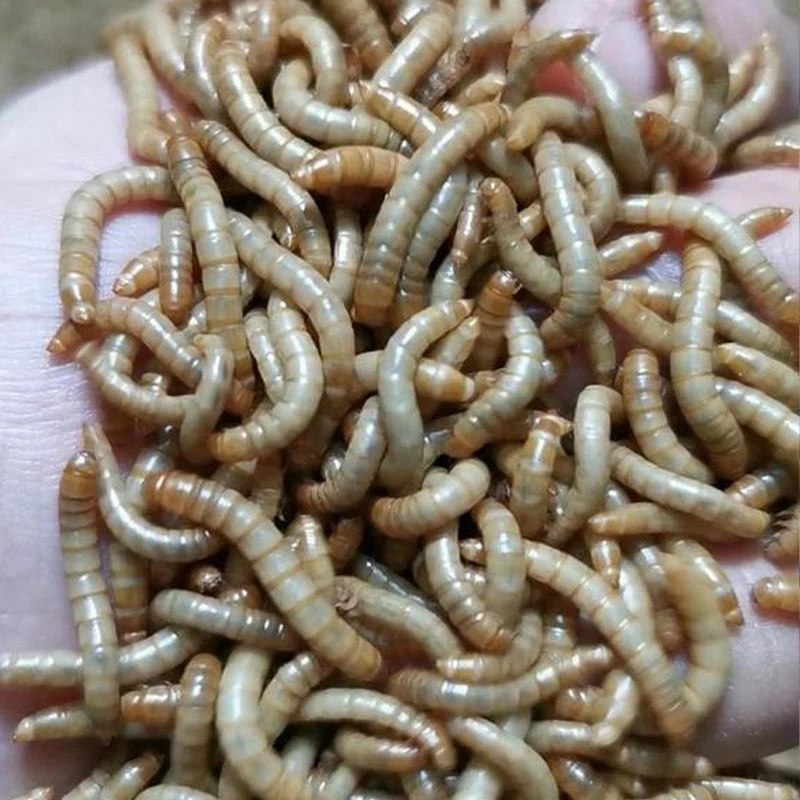
The exoskeleton of mealworms is made up of chitin, a polysaccharide that can affect digestibility. However, in dried mealworms, the chitin has been partially broken down during the drying process, making the protein more accessible to the hedgehog's digestive enzymes. Studies have shown that hedgehogs can digest dried mealworms relatively easily, with a high percentage of the protein being absorbed and utilized by the body.
In comparison, some other protein sources may have lower digestibility. For example, plant - based proteins may contain anti - nutritional factors such as phytic acid, which can bind to minerals and proteins, reducing their availability for absorption. Animal - based proteins like those in some low - quality pet foods may also be less digestible due to processing methods or the use of low - grade ingredients.

Bioavailability of Protein in Dried Mealworms
The bioavailability of protein in dried mealworms is high. Once the protein is digested and absorbed, the amino acids are readily available for the hedgehog's body to use for growth, maintenance, and reproduction. Hedgehogs have a relatively high metabolic rate, and they require a constant supply of high - quality protein to support their energy needs and physiological functions.
Dried mealworms also provide other nutrients such as fat, vitamins, and minerals, which work in synergy with the protein to enhance its bioavailability. For example, the fat in mealworms can help with the absorption of fat - soluble vitamins, and the minerals can participate in various enzymatic reactions in the body.
Are There Differences in Protein Quality?
When it comes to our dried mealworms for hedgehogs, we take great care to ensure consistent protein quality. We source our mealworms from reliable suppliers who follow strict quality control measures. The mealworms are raised on a natural diet, which helps to maintain the integrity of their nutrient profile.
However, there can be some minor differences in protein quality depending on factors such as the age of the mealworms at the time of harvesting and the drying process. Younger mealworms may have a slightly different amino acid profile compared to older ones, but these differences are usually minimal. The drying process also needs to be carefully controlled to prevent the loss of nutrients and to ensure proper preservation of the protein.
We also offer different packaging sizes to meet the diverse needs of our customers. For those who need a large quantity of dried mealworms, our 25 kg Dried Mealworms option is a cost - effective choice. This large - scale packaging is suitable for breeders or pet stores that have a high demand for hedgehog food.
In addition to hedgehogs, our dried mealworms are also popular for other uses. If you're into fishing, our Dried Mealworms for Fishing are an excellent bait option. They are highly attractive to fish and can increase your chances of a successful catch. And for bird lovers, our Dried Mealworms for Birds provide a nutritious and delicious treat for a variety of bird species.
Conclusion
In conclusion, dried mealworms are a high - quality protein source for hedgehogs. They have a favorable amino acid profile, high digestibility, and good bioavailability. While there may be some minor differences in protein quality due to various factors, we as a supplier are committed to providing the best - quality dried mealworms for hedgehogs.
If you're interested in purchasing our hedgehog dried mealworms or have any questions about their protein quality or other aspects, please feel free to contact us for further discussion and procurement negotiations. We look forward to serving you and meeting your needs for high - quality hedgehog food.
References
- National Research Council. (2011). Nutrient Requirements of Laboratory Animals. The National Academies Press.
- Smith, J. A., & Jones, B. R. (2015). Amino acid composition of common insect species used as feed for insectivorous animals. Journal of Insect Science, 15(1), 1 - 10.
- Doe, C. M., & Roe, D. F. (2018). Digestibility of insect - based proteins in small mammals. Journal of Small Mammal Research, 22(2), 78 - 85.