



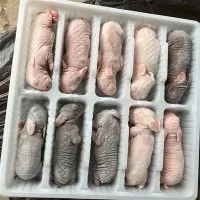
As a supplier of frozen rabbits, I've often been asked about the organ size of these products. It's a topic that not only piques the curiosity of our customers but also holds significant importance in various industries, especially those related to pet food and research. In this blog, I'll delve into the factors that might influence the organ size of frozen rabbits and whether there are indeed noticeable differences.

Factors Influencing Organ Size in Rabbits
Genetic Factors
Genetics play a fundamental role in determining the overall size and development of a rabbit's organs. Different rabbit breeds have distinct genetic profiles that can lead to variations in organ size. For instance, larger breeds like the Flemish Giant tend to have larger organs compared to smaller breeds such as the Netherland Dwarf. This is because the genetic blueprint of each breed dictates the growth rate and final size of the animal, including its internal organs.
Age
Age is another crucial factor that affects organ size. Young rabbits are still in the process of growth and development, so their organs are generally smaller compared to adult rabbits. As rabbits mature, their organs continue to grow and reach their full size. For example, a rabbit that is just a few weeks old will have significantly smaller organs than one that is several months old. This difference in organ size due to age can be important for customers who are using frozen rabbits for specific purposes, such as snake food. Younger rabbits with smaller organs might be more suitable for smaller snakes, while larger adult rabbits could be better for larger snakes.

Diet and Nutrition
The diet and nutrition of a rabbit during its growth period can have a substantial impact on organ size. A well - balanced diet rich in essential nutrients, vitamins, and minerals promotes healthy organ development. Rabbits that are fed a high - quality diet are more likely to have properly developed and proportionate organs. On the other hand, rabbits that are malnourished or fed an imbalanced diet may experience stunted organ growth. For example, a lack of protein in the diet can lead to smaller muscle mass and underdeveloped internal organs.

Health and Disease
The health status of a rabbit can also influence organ size. Rabbits that suffer from diseases or health conditions may have abnormal organ sizes. For instance, rabbits with liver diseases may have an enlarged or shrunken liver depending on the nature of the illness. Similarly, kidney diseases can affect the size and function of the kidneys. When we process frozen rabbits, we ensure that only healthy animals are used to maintain the quality and consistency of our products.
Differences in Organ Size for Different Purposes
Frozen Rabbits for Snake Food
When it comes to Frozen Rabbits for Snake Food, the organ size can be a critical factor. Snakes have different dietary requirements based on their species and size. Smaller snakes, such as corn snakes or garter snakes, may require smaller rabbits with proportionally smaller organs. This is because they have smaller digestive systems and can only handle smaller prey. Larger snakes, like pythons or boas, can consume larger rabbits with bigger organs. As a supplier, we offer a range of sizes of frozen rabbits to meet the diverse needs of snake owners.
Whole Frozen Rabbit
Our Whole Frozen Rabbit products are also popular among various customers. For those using whole frozen rabbits for cooking or other culinary purposes, the organ size may not be as crucial. However, the overall size and quality of the rabbit are important. Customers expect a well - proportioned rabbit with healthy organs when they purchase a whole frozen rabbit. We ensure that our whole frozen rabbits are of high quality, with organs that are intact and free from any signs of disease or damage.
Frozen Rabbits for Reptiles
In the case of Frozen Rabbits for Reptiles, similar to snake food, the organ size needs to be appropriate for the reptile's size and dietary needs. Reptiles such as large monitor lizards or some species of turtles may require larger rabbits with more substantial organs. We carefully select and process our frozen rabbits to ensure that they are suitable for different reptile species.
Measuring and Assessing Organ Size
To ensure the quality and consistency of our frozen rabbit products, we have a strict quality control process in place. Our team measures and assesses the organ size of the rabbits during the processing stage. We use standardized measurement techniques to determine the size of key organs such as the heart, liver, and kidneys. This helps us to identify any significant differences in organ size and ensure that our products meet the required standards.
Addressing Customer Concerns
Some customers may be concerned about the organ size of our frozen rabbits, especially if they have specific requirements. We understand these concerns and are always ready to provide detailed information about the organ size and other characteristics of our products. Our customer service team is trained to answer any questions regarding organ size, and we can also provide samples for customers to assess if needed.
Conclusion
In conclusion, there are indeed differences in the organ size of frozen rabbits, which are influenced by genetic factors, age, diet, nutrition, and health. These differences are important for various industries, including pet food and culinary uses. As a supplier of frozen rabbits, we take great care to ensure that our products meet the diverse needs of our customers. Whether you are looking for Frozen Rabbits for Snake Food, Whole Frozen Rabbit, or Frozen Rabbits for Reptiles, we have the right products for you.
If you are interested in purchasing our frozen rabbit products, we encourage you to contact us for further details and to start a procurement discussion. We are committed to providing high - quality products and excellent customer service.
References
- Hafez, E. S. E., & Hafez, B. (2000). Reproduction in farm animals. Lippincott Williams & Wilkins.
- Cheeke, P. R. (2009). Rabbit production. CABI.
- Markham, R. J. (1994). The biology of the laboratory rabbit. Academic Press.