




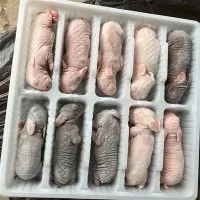
Hey there, snake enthusiasts! As a supplier of Frozen Jumbo Rats, I've been getting a lot of questions lately about whether these are a suitable food source for young snakes. So, I thought I'd sit down and share some insights based on my experience and a bit of research.
First off, let's talk about what makes Frozen Jumbo Rats so appealing in the first place. These bad boys are big, meaty, and packed with nutrients that snakes need to grow and thrive. They're a great source of protein, which is essential for muscle development, and they also contain healthy fats that provide energy. Plus, they're convenient. You can store them in your freezer and pull one out whenever it's feeding time for your slithery friend.


But when it comes to young snakes, things get a little more complicated. Young snakes have smaller mouths and digestive systems, so they can't handle large prey like adult snakes can. That's where the size of the Frozen Jumbo Rats becomes a concern. If the rat is too big, the snake might have trouble swallowing it, which could lead to choking or other health problems. And even if the snake manages to get the rat down, its digestive system might not be able to break it down properly, resulting in indigestion or regurgitation.
So, are Frozen Jumbo Rats completely off the table for young snakes? Not necessarily. It depends on the species of snake and how old or big it is. Some snake species grow faster and have larger appetites than others. For example, Burmese pythons are known for their rapid growth and can handle larger prey at a younger age compared to other snakes. If you have a young Burmese python that's already showing signs of being able to take on bigger meals, a Frozen Jumbo Rat might be a viable option.
On the other hand, smaller snake species like corn snakes or garter snakes are going to need much smaller prey when they're young. For these guys, you might want to consider alternatives like Frozen Pup Rats, which are smaller in size and easier for young snakes to handle. White Fluffy Rat might also be suitable depending on the age and size of your snake. And if your snake is really tiny, Frozen Pinks Mouse are a classic choice. These pinkies are small, soft, and easy to digest, making them perfect for baby snakes.
Another thing to keep in mind is the frequency of feeding. Young snakes need to eat more often than adult snakes because they're growing so quickly. But you don't want to overfeed them, especially if you're giving them larger prey like Frozen Jumbo Rats. Overfeeding can lead to obesity and other health issues down the line. A good rule of thumb is to feed your young snake every 3 - 5 days, but this can vary depending on the species.
When you're introducing any new food to your young snake, it's important to do it gradually. Start by offering a smaller prey item and see how the snake reacts. If it eats it without any problems, you can gradually increase the size of the prey over time. And always make sure to thaw the frozen prey properly before feeding it to your snake. You can do this by placing the frozen rat in a plastic bag and submerging it in warm water for about 20 - 30 minutes.
Now, let's talk about the benefits of using Frozen Jumbo Rats for young snakes, even if it's not right away. As your snake grows, it will eventually need to transition to larger prey, and Frozen Jumbo Rats are a great option for that. They're a natural food source for snakes in the wild, so feeding them to your pet snake can help mimic its natural diet. This can lead to better overall health and a more satisfied snake.
In addition, Frozen Jumbo Rats are often more nutritionally balanced than other types of prey. They're raised on a controlled diet, which means they have the right amount of vitamins and minerals that your snake needs. This can be especially important for young snakes, as they're in a critical stage of development.
So, how do you know when your young snake is ready for Frozen Jumbo Rats? Well, there are a few signs to look out for. First, check the size of the snake's head. If the rat is wider than the snake's head, it's probably too big. You should also observe the snake's behavior during feeding time. If it seems hesitant or has trouble striking at the prey, it might not be ready for a larger meal.
It's also a good idea to consult with a veterinarian or an experienced snake keeper. They can give you personalized advice based on the specific needs of your snake. They might be able to tell you when it's the right time to start introducing Frozen Jumbo Rats and how to do it safely.
In conclusion, while Frozen Jumbo Rats might not be suitable for all young snakes right off the bat, they can be a great food source as your snake grows. It's important to take your time, observe your snake's behavior, and make sure you're providing the right size and type of prey at each stage of its development. And if you have any questions or need more information about our Frozen Jumbo Rats or other prey options, don't hesitate to reach out. We're here to help you keep your snake happy and healthy.
If you're interested in purchasing Frozen Jumbo Rats or any of our other products, we'd love to have a chat with you about your needs. Whether you're a new snake owner or an experienced herpetologist, we can work together to find the best food solutions for your snakes. Just get in touch, and let's start this feeding journey together!
References
- "The Snake Keeper's Handbook" by David W. Barker
- Various online forums and communities of snake keepers where experiences and knowledge are shared.