



As a supplier of Extra Large Dubia Roaches, I've gotten a ton of questions from customers over the years. One question that pops up quite often is, "Are extra large dubia roaches sensitive to changes in temperature?" Well, let's dive into this topic and find out.
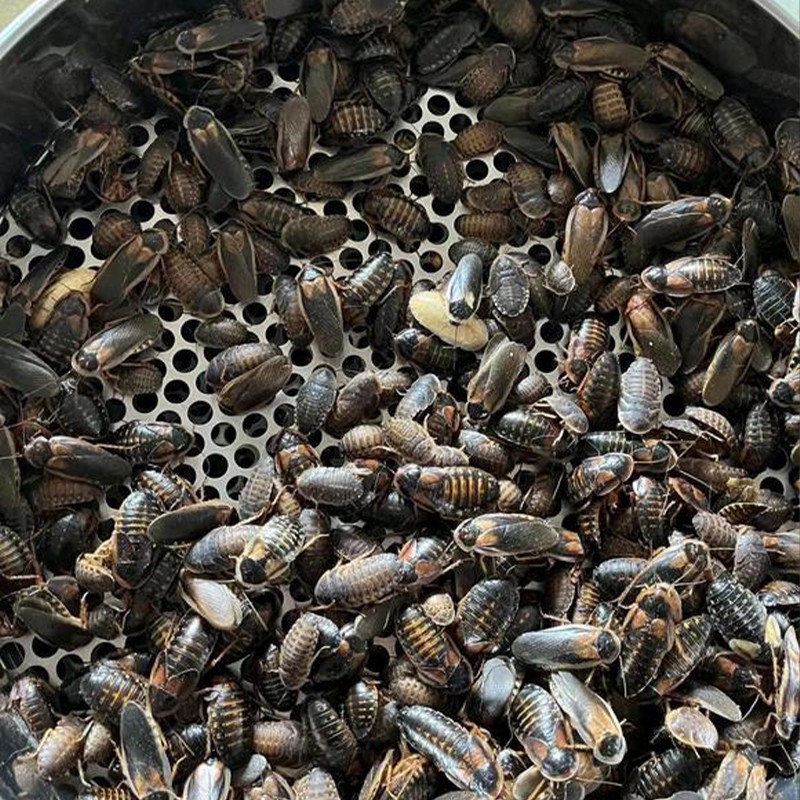

First off, let me give you a bit of background on these roaches. Dubia roaches, scientifically known as Blaptica dubia, are native to Central and South America. They've become super popular in the pet trade, especially as a food source for reptiles. You can check out our Extra Large Dubia Roaches on our website to see what we're offering.
Now, when it comes to temperature, dubia roaches are cold - blooded creatures. That means their body temperature is regulated by the environment around them. Unlike warm - blooded animals like us humans, they can't generate their own heat to keep a stable body temperature.
Dubia roaches thrive in a relatively warm environment. The ideal temperature range for them is between 80°F and 95°F (27°C - 35°C). When the temperature is within this range, they're quite active. They eat well, breed at a good rate, and overall, they're just healthier.
But what happens when the temperature starts to change? Well, if the temperature drops below 70°F (21°C), these roaches start to slow down. Their metabolism decreases, which means they eat less. They become less active, and breeding can also be affected. If it gets really cold, say below 50°F (10°C), it can be life - threatening for them. At such low temperatures, their bodily functions start to shut down, and they can eventually die.
On the other hand, if the temperature gets too high, above 95°F (35°C), it's also not good for them. High temperatures can cause stress. They may start to dehydrate more quickly because they lose water through evaporation at a faster rate. If the temperature stays extremely high for an extended period, it can also lead to death.
I've seen firsthand how sensitive these roaches are to temperature changes. One time, we had a minor issue with our heating system in the roach breeding facility. The temperature dropped to around 65°F (18°C) for a couple of days. Immediately, I noticed that the roaches were less active. They weren't running around as much, and the feeding rate dropped significantly. When we got the heating system fixed and the temperature back up to the ideal range, it took a few days for them to fully recover and get back to their normal behavior.
As a supplier, we take temperature control very seriously. We use high - quality heating and cooling systems in our breeding facilities to make sure the temperature stays within the ideal range. We also monitor the temperature constantly, using thermometers and temperature sensors. This way, we can quickly detect any changes and take action to correct them.
If you're a customer who's buying our Extra Large Dubia Roaches to feed your reptiles, it's important for you to keep them in a proper environment as well. When you first receive the roaches, make sure to acclimate them slowly to the temperature in your home. If it's a big difference from the temperature they were in during shipping, a sudden change can shock them.
You can use a small heating pad or a heat lamp to keep the roaches warm. Just make sure to place it in such a way that the roaches can move to a cooler area if they want. This gives them some control over their environment.
Another thing to consider is humidity. Temperature and humidity are closely related when it comes to the well - being of dubia roaches. They prefer a humidity level of around 40% - 60%. If the temperature is too high and the humidity is low, they'll dehydrate even faster. On the other hand, if the humidity is too high and the temperature is low, it can create a breeding ground for bacteria and mold, which can be harmful to the roaches.
We also offer Dried Dubia Roaches for those who may have storage or feeding issues. Dried roaches are less sensitive to temperature changes compared to live ones. They're also easier to store and can be a good option for backup food for your reptiles.
If you're into reptile keeping, our Dubia Roaches for Reptiles are a great choice. They're a nutritious food source for many reptiles, including bearded dragons, leopard geckos, and chameleons. And as long as you keep the temperature in check, you'll have a healthy supply of roaches to feed your pets.
In conclusion, extra large dubia roaches are indeed sensitive to changes in temperature. They need a warm and stable environment to stay healthy and active. As a supplier, we do everything we can to ensure that the roaches we provide are in the best possible condition. If you have any questions about temperature control or any other aspect of keeping dubia roaches, feel free to reach out. We're always here to help you make the most of your dubia roach purchase. Whether you're a new reptile owner or an experienced breeder, we're ready to assist you in getting the right roaches for your needs. So, don't hesitate to contact us for more information and to start your purchase and have a discussion about your requirements.
References
- Smith, J. (2018). "The Care and Keeping of Dubia Roaches". Reptile World Magazine.
- Johnson, A. (2020). "Temperature and Humidity Requirements for Insects in Captivity". Insect Science Journal.