


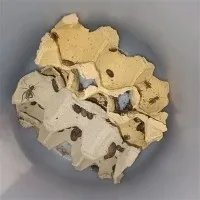

In the realm of reptile and exotic pet care, finding a sustainable and nutritious feeder option is of paramount importance. As a supplier of Extra Large Dubia Roaches, I've witnessed firsthand the growing interest in these insects as a staple food source for a variety of animals. In this blog post, I'll delve into the question: Are extra large dubia roaches a sustainable feeder option?
Nutritional Value
One of the primary reasons why dubia roaches are highly regarded as a feeder insect is their exceptional nutritional profile. Extra large dubia roaches are rich in protein, which is essential for the growth, development, and maintenance of the animals that consume them. Protein is crucial for building and repairing tissues, as well as for the production of enzymes and hormones.
In addition to protein, dubia roaches also contain a good amount of healthy fats. These fats provide a concentrated source of energy for reptiles and other pets. Moreover, they contain essential fatty acids, such as omega - 3 and omega - 6, which are beneficial for the overall health of the animals, including their skin, coat, and immune system.
Dubia roaches are also a good source of vitamins and minerals. They are particularly high in calcium, which is vital for strong bones and proper muscle function in reptiles. A calcium - rich diet helps prevent metabolic bone disease, a common and serious condition in captive reptiles. Other minerals found in dubia roaches include phosphorus, magnesium, and potassium, which play important roles in various physiological processes.
Environmental Sustainability
When it comes to sustainability, extra large dubia roaches have several advantages over other feeder options. One of the key aspects of sustainability is resource efficiency. Dubia roaches require relatively little space, food, and water compared to other feeder animals, such as rodents. They can be housed in compact containers and fed a simple diet of fruits, vegetables, and grains.
In terms of waste production, dubia roaches are also more environmentally friendly. Their waste is relatively dry and odorless, and it can be easily managed. In fact, the frass (insect excrement) of dubia roaches can even be used as a natural fertilizer for plants, closing the loop on the resource cycle.
Another important factor is the carbon footprint. The production of dubia roaches as feeder insects generates significantly less greenhouse gas emissions compared to the production of traditional livestock. Insects are cold - blooded, which means they require less energy to maintain their body temperature. This results in lower energy consumption and reduced carbon emissions during the rearing process.
Ease of Breeding and Management
As a supplier, I can attest to the fact that dubia roaches are relatively easy to breed and manage. They have a high reproductive rate, with adult female dubia roaches Adult Female Dubia capable of producing multiple broods of nymphs throughout their lifespan. This makes it possible to maintain a self - sustaining colony with relatively little effort.
Dubia roaches are also hardy insects that can tolerate a wide range of environmental conditions. They are not as prone to diseases as some other feeder insects, which reduces the need for antibiotics or other medications. This is not only beneficial for the health of the roaches but also for the animals that consume them.
When it comes to feeding, dubia roaches are versatile. They can be offered live, which allows the predator to engage in natural hunting behavior, or they can be frozen and thawed for later use. This flexibility makes them suitable for a variety of pets, including reptiles, amphibians, and some birds.
Availability and Variety
Extra large dubia roaches are readily available from reputable suppliers. At our facility, we offer a range of quantities, including 1000 Dubia Roaches, to meet the needs of both small - scale hobbyists and large - scale breeders. This availability ensures that pet owners can consistently provide their animals with a high - quality food source.
In addition to their size, dubia roaches come in different life stages, from tiny nymphs to large adults. This variety allows pet owners to select the appropriate size of roach based on the size and age of their pet. For example, small reptiles may require small nymphs, while larger reptiles can handle extra large adult roaches.
Compatibility with Different Pets
Dubia roaches are suitable for a wide variety of pets. Reptiles, such as bearded dragons, leopard geckos, and chameleons, are well - known for their preference for dubia roaches. These insects provide a natural and nutritious food source that closely mimics the diet of these animals in the wild.
Amphibians, such as frogs and toads, also benefit from a diet of dubia roaches. The soft exoskeleton of the roaches makes them easy to digest, and the high nutritional value helps support the growth and health of these delicate creatures.


Some bird species, particularly insectivorous birds, will also readily consume dubia roaches. They offer a protein - rich alternative to traditional bird feed, which can enhance the overall health and vitality of the birds.
Potential Drawbacks
While extra large dubia roaches have many advantages as a feeder option, there are a few potential drawbacks to consider. One concern is the potential for escape. Dubia roaches are good climbers, and if their enclosure is not properly secured, they may be able to escape and establish a colony in the surrounding environment. However, this can be easily prevented by using appropriate housing with secure lids.
Another potential issue is the initial setup cost. Establishing a dubia roach colony requires some investment in housing, food, and equipment. However, once the colony is established, the ongoing costs are relatively low, and the long - term benefits outweigh the initial expenses.
Conclusion
In conclusion, extra large dubia roaches are a sustainable feeder option for a variety of reasons. Their high nutritional value, environmental sustainability, ease of breeding and management, availability, and compatibility with different pets make them an excellent choice for pet owners and breeders alike.
If you're interested in learning more about using extra large dubia roaches as a feeder option for your pets, or if you're looking to purchase dubia roaches for your colony, please don't hesitate to reach out. We're here to provide you with the information and support you need to make the best decision for your animals. You can explore our range of Dubia Roaches for Reptiles on our website and start providing your pets with a high - quality, sustainable food source today.
References
- Caparros Megido, M., Gasco, L., Piccolo, G., & Renna, M. (2019). Insects as feed ingredients: a review on available processing technologies and their potential effects on product quality. Animal Feed Science and Technology, 253, 114260.
- Oonincx, D. G. A. B., & de Boer, I. J. M. (2012). Environmental impact of the production of mealworms as a protein source for humans - a life cycle assessment. PLoS One, 7(12), e51145.
- Van Huis, A. (2013). Edible insects: future prospects for food and feed security. Food and Agriculture Organization of the United Nations.