


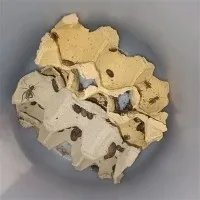

Pregnancy is a crucial period in a woman's life, during which proper nutrition is of utmost importance for both the mother and the developing fetus. As a supplier of dried crickets for human consumption, I often get asked whether dried crickets are a good option for pregnant women. In this blog post, I'll explore the nutritional aspects, potential benefits, and possible concerns regarding dried crickets as a food source for pregnant women.
Nutritional Value of Dried Crickets
Dried crickets are a rich source of essential nutrients. They are packed with high - quality protein, which is vital during pregnancy. Protein is needed for the growth and development of the fetus, as well as for maintaining the mother's tissues. According to research, crickets can contain up to 60% protein by weight, which is comparable to many traditional sources of animal protein such as beef and chicken.
In addition to protein, dried crickets are also a good source of healthy fats. These fats, including omega - 3 and omega - 6 fatty acids, play a significant role in the development of the baby's brain and nervous system. A well - balanced intake of these fatty acids during pregnancy can contribute to the proper cognitive and visual development of the child.


Moreover, dried crickets are rich in vitamins and minerals. They contain significant amounts of iron, which is essential for preventing anemia in pregnant women. Anemia is a common condition during pregnancy that can lead to fatigue, weakness, and other complications. By including iron - rich foods like dried crickets in the diet, pregnant women can help maintain adequate iron levels. They also provide calcium, which is necessary for the development of the baby's bones and teeth, and B - vitamins, which are involved in various metabolic processes in the body.
Potential Benefits for Pregnant Women
One of the main benefits of dried crickets for pregnant women is their high nutritional density. Pregnant women often need to consume more nutrients than usual, but they may also experience a reduced appetite or food aversions. Dried crickets can be a convenient and nutrient - rich option to meet their increased nutritional needs. They can be easily incorporated into various dishes, such as soups, salads, or even baked goods, making it easier for pregnant women to consume them.
Another advantage is their sustainability. As the global population grows, there is an increasing demand for sustainable food sources. Insects, including crickets, have a much lower environmental impact compared to traditional livestock. They require less land, water, and feed to produce the same amount of protein. By choosing dried crickets as a food source during pregnancy, women can contribute to a more sustainable food system for future generations.
Possible Concerns
While dried crickets offer many nutritional benefits, there are also some potential concerns that need to be addressed. One of the main concerns is the risk of allergic reactions. Just like with any other food, some people may be allergic to crickets. Allergic reactions can range from mild symptoms such as itching and hives to more severe reactions like difficulty breathing and anaphylaxis. Pregnant women who have a history of food allergies should consult their healthcare provider before trying dried crickets.
Another concern is the potential for contamination. If the crickets are not processed and stored properly, they may be contaminated with bacteria, parasites, or other harmful substances. As a supplier, we take strict quality control measures to ensure that our Dehydrated Crickets are safe for human consumption. We source our crickets from reliable farms, and they undergo thorough cleaning, cooking, and drying processes to eliminate any potential contaminants.
Incorporating Dried Crickets into the Diet
If a pregnant woman decides to include dried crickets in her diet, there are several ways to do so. One simple way is to grind the crickets into a powder and add it to smoothies, shakes, or baked goods. This way, the taste of the crickets can be masked, and the nutrients can be easily incorporated into the diet.
Dried crickets can also be used as a topping for salads or soups. They add a crunchy texture and a unique flavor to the dishes. For those who are more adventurous, they can try making cricket - based snacks, such as cricket chips or cricket bars.
Comparison with Traditional Food Sources
When comparing dried crickets with traditional food sources during pregnancy, it's important to note that they can complement rather than replace other foods. While dried crickets are rich in protein, iron, and other nutrients, they may not provide all the nutrients in the same proportions as a well - balanced diet that includes a variety of fruits, vegetables, grains, and dairy products.
For example, compared to beef, dried crickets are lower in saturated fat and higher in certain vitamins and minerals. However, beef is also a good source of vitamin B12, which is essential for the nervous system and the production of red blood cells. Pregnant women should aim to have a diverse diet that includes a combination of different food sources to ensure they get all the necessary nutrients.
Conclusion
In conclusion, dried crickets can be a good option for pregnant women in terms of their nutritional value and sustainability. They offer a rich source of protein, healthy fats, vitamins, and minerals that are essential for the health of both the mother and the developing fetus. However, pregnant women should be aware of the potential risks, such as allergic reactions and contamination, and consult their healthcare provider before adding dried crickets to their diet.
As a supplier of Dried Crickets for Humans, we are committed to providing high - quality and safe products. If you are interested in learning more about our dried cricket products or would like to discuss potential procurement, please feel free to reach out. We look forward to the opportunity to work with you and contribute to a more nutritious and sustainable diet for pregnant women and the general population.
References
- FAO. (2013). Edible insects: Future prospects for food and feed security.
- Rumpold, B. A., & Schlüter, O. K. (2013). Nutritional composition and safety aspects of edible insects. Molecular Nutrition & Food Research, 57(8), 1636 - 1653.
- Nowak, B., & Rumpold, B. A. (2017). Insects as food and feed - European perspectives. Trends in Food Science & Technology, 66, 146 - 155.